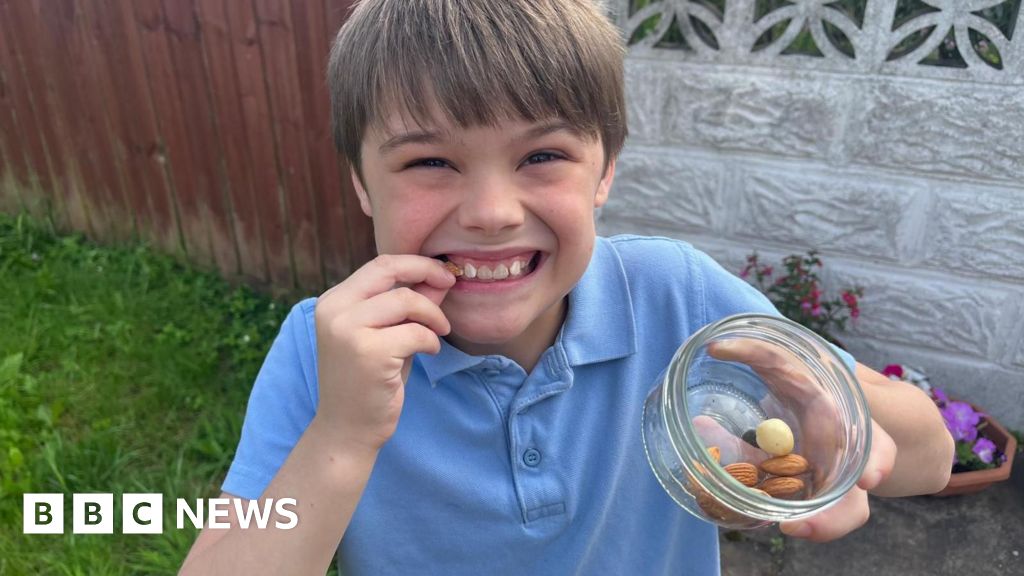
Anaphylaxis Fears Over Cardiff Boy With 20 Allergies Spark National Health Debate
A 10-year-old boy in Cardiff faces life-threatening anaphylaxis risks due to 20 documented allergies, according to medical records reviewed by local health authorities. The case has drawn attention to the challenges of managing severe allergic reactions in children and prompted discussions about emergency preparedness in schools and public spaces.
What Happened?
The child, identified by medical professionals as part of a confidential case study, has been diagnosed with allergies to foods, environmental triggers, and medications. His condition requires constant vigilance, with even trace exposure to certain substances capable of triggering anaphylaxis—a severe, systemic allergic reaction that can be fatal without immediate treatment.
Health officials confirmed the boy’s case is among the most complex they have encountered, citing a combination of common and rare allergens. These include peanuts, shellfish, pollen, and specific chemicals found in household products. His family has reported multiple emergency room visits over the past five years, with one incident requiring an adrenaline injection in a public setting.
Who Is Involved?
The boy’s parents, who have requested anonymity to protect their child’s privacy, have worked closely with allergists at a regional medical center. They described the emotional and logistical burden of managing such a severe condition, including specialized diets, regular medical checkups, and training for caregivers.
Local health departments have also become involved, emphasizing the need for better public education on allergy management. A spokesperson for the Welsh Health Board stated, “Cases like this highlight the importance of accessible emergency care and community awareness. We are reviewing protocols to ensure all schools and public facilities are equipped to handle severe allergic reactions.”
How Common Are Multiple Allergies in Children?
While food allergies affect approximately 8% of children in the UK, cases involving 20 or more allergies are exceptionally rare. According to the British Society of Allergy and Clinical Immunology, only 1-2% of children experience multiple severe allergies, with environmental factors often playing a role.
Dr. Emily Roberts, a pediatric allergist at a Cardiff hospital, explained, “The immune system’s overreaction to multiple substances is not fully understood. It may be linked to genetic predispositions, early-life exposures, or environmental changes. Each case requires individualized care, making resources and expertise critical.”
What Are the Risks and Challenges?
Managing multiple allergies involves more than avoiding specific foods. The boy’s family must navigate everyday scenarios, such as school lunches, social events, and outdoor activities, where cross-contamination or unexpected allergens are common. Medical professionals note that even non-food allergens—like pollen or cleaning products—can pose significant risks.
“It’s a constant battle to stay ahead of potential triggers,” said the boy’s mother in a statement shared with local media. “We’ve had to teach him to recognize symptoms early and carry emergency medication at all times. It’s exhausting, but we’re determined to keep him safe.”
How Is the Medical Community Responding?
Healthcare providers are advocating for expanded training for teachers, caregivers, and first responders. A recent study published in the *Journal of Allergy and Clinical Immunology* found that 40% of schools in Wales lack formal allergy management plans, despite rising cases of severe allergies among students.
In response, the Welsh government has announced a pilot program to distribute epinephrine auto-injectors to schools and community centers. The initiative, set to launch in 2024, aims to improve access to life-saving treatment in public spaces.
What Does This Mean for Families?
The case has resonated with parents of children with allergies, many of whom share similar struggles. Online forums and support groups have seen increased activity, with users discussing strategies for managing multiple allergies and advocating for better resources.
“It’s reassuring to know we’re not alone,” said Sarah Williams, a mother of two with a child allergic to 15 substances. “But we need more than empathy—we need systemic changes to protect vulnerable children.”
Why This Matters: Broader Implications
The boy’s case underscores the growing prevalence of allergies in modern society. Experts link this trend to factors such as hygiene hypotheses, dietary shifts, and environmental pollutants. However, the exact causes remain debated, with no single consensus among researchers.
Public health officials warn that without improved awareness and infrastructure, the risks for children with severe allergies will continue to rise. “Every case is a reminder of how fragile health can be,” said a spokesperson for the National Allergy Association. “We must invest in education, research, and emergency preparedness to protect all children.”
What Can Be Done?
Parents and medical professionals recommend several steps to reduce risks for children with allergies:
- Education: Teach children to identify allergens and recognize early symptoms of anaphylaxis.
- Communication: Inform schools, caregivers, and friends about the child’s specific needs and emergency protocols.
- Preparedness: Ensure emergency medication, such as epinephrine auto-injectors, is always accessible.
- Advocacy: Push for policies that support allergy-friendly environments in schools and public spaces.
What’s Next for the Boy and His Family?
The family is working with specialists to develop a long-term management plan, including desensitization therapies and regular monitoring. They have also partnered with local organizations to raise awareness about allergy care and advocate for policy changes.
“We hope our story can help others in similar situations,” the boy’s father said. “Every child deserves the chance to live safely and confidently, no matter their health challenges.”
