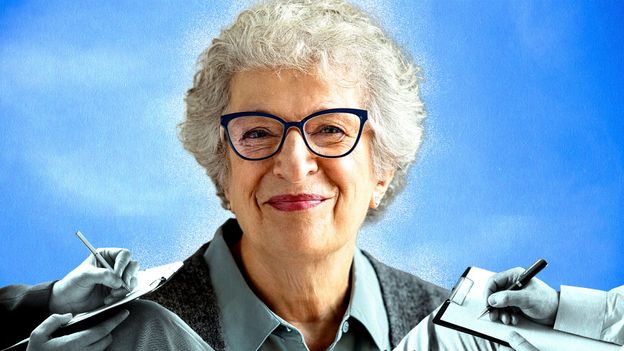
‘I felt lighter, more open’: Why you are never too old for therapy
Older adults are increasingly accessing psychological support to resolve lifelong trauma and manage the transitions of aging, reporting significant emotional relief and a sense of openness. Clinical data and patient accounts indicate that the belief that one is “too old” for therapy is a misconception, as cognitive and emotional growth remains possible throughout the entire lifespan.
Why are more older adults seeking mental health support now?
A shift in generational attitudes toward mental health has led to a rise in seniors seeking counseling. For decades, the “silent generation” and early baby boomers viewed psychological struggles as private failures or weaknesses. According to clinical observations in geriatric psychology, this stigma is eroding as the benefits of therapy become more visible through younger family members.
Retirement often acts as a catalyst for this shift. When the structure of a professional career disappears, individuals frequently face an identity crisis. The loss of a daily routine and professional status can trigger latent depression or anxiety, prompting a search for professional guidance. Experts note that the transition from a “doing” phase of life to a “being” phase requires a psychological adjustment that many are not equipped to handle alone.
Additionally, the accumulation of grief plays a central role. Older adults often face “bereavement overload,” where the loss of a spouse, siblings, and peers occurs in rapid succession. This cumulative loss can overwhelm traditional coping mechanisms, making professional intervention necessary to prevent chronic complicated grief.
What are the most common barriers to therapy in later life?
Stigma remains the primary hurdle. Many older adults grew up in an era where “seeing a shrink” was associated with severe psychosis or institutionalization. This creates a psychological barrier where the individual minimizes their suffering to avoid the perceived shame of therapy. According to reports on elderly care, this often manifests as somatic complaints—such as unexplained aches or fatigue—rather than the admission of sadness or anxiety.
Financial constraints and accessibility also hinder progress. Fixed incomes can make private therapy prohibitively expensive, and transportation issues may prevent seniors from reaching a clinic. While telehealth has expanded access, a “digital divide” persists, where some older adults struggle with the technology required for virtual sessions.
There is also a pervasive myth of “emotional rigidity.” Some patients believe that their personalities are “set in stone” by age 60 or 70. However, neuroplasticity—the brain’s ability to form new neural connections—continues into old age, meaning that cognitive behavioral shifts are possible regardless of the patient’s birth date.
| Common Misconception | Clinical Reality |
|---|---|
| “I’m too old to change my patterns.” | Neuroplasticity allows for emotional growth and habit change at any age. |
| “Therapy is only for severe mental illness.” | Therapy is effective for grief, loneliness, and life transitions. |
| “Talking about the past just stirs up pain.” | Processing past trauma reduces its power and creates a sense of “lightness.” |
| “My children should be my only support.” | Professional boundaries provide a safe space that family dynamics often cannot. |
How does therapy benefit those in their senior years?
Patients often describe a feeling of becoming “lighter” after starting therapy. This sensation typically stems from the release of long-held secrets or the resolution of “unfinished business” with deceased parents or estranged children. By processing these emotions, older adults report a decrease in the mental load they carry, allowing them to engage more fully in their present lives.
Therapy in later life often focuses on “Life Review.” This is a structured process where the individual evaluates their life experiences to find meaning and coherence. According to psychosocial development theories, this stage is critical for avoiding despair and achieving “ego integrity”—the feeling that one’s life has been meaningful and productive.
“The goal is not to erase the past, but to integrate it. When an older adult realizes they can survive the memory of a trauma, they often find a renewed sense of agency and openness toward others.”
Specific benefits include:
- Improved Relationship Dynamics: Learning new communication tools to navigate changing roles with adult children and grandchildren.
- Management of Chronic Pain: Using cognitive strategies to alter the perception of physical suffering.
- Reduction in Isolation: Therapy provides a consistent, supportive relationship, which can mitigate the effects of social loneliness.
- Existential Peace: Addressing the fear of death and the desire for a positive legacy.
Which types of therapy are most effective for older adults?
Not all therapeutic approaches are equally suited for the elderly. While general talk therapy is helpful, specific modalities often yield better results.
Cognitive Behavioral Therapy (CBT)
CBT is highly effective for treating depression and anxiety in seniors. It focuses on identifying negative thought patterns—such as “I am useless now that I’m retired”—and replacing them with evidence-based, positive assertions. Because CBT is goal-oriented and structured, it often appeals to older adults who may be skeptical of open-ended “venting” sessions.
Psychodynamic Therapy
For those seeking to understand the “why” behind their lifelong patterns, psychodynamic therapy allows for a deeper dive into childhood experiences. This is often where the feeling of “openness” originates, as patients connect current behaviors to early emotional blueprints.
Interpersonal Therapy (IPT)
IPT focuses specifically on the patient’s relationships. Given that social circles often shrink with age, IPT helps seniors navigate the loss of friends or the changing nature of a marriage that has lasted several decades.
For those interested in broader mental health trends, a related explainer on geriatric mental health provides further context on systemic healthcare challenges.
What should seniors look for in a therapist?
Finding the right match is critical for success in late-life therapy. A general practitioner may lack the specific training required to handle the intersection of mental health and the physiological changes of aging.
According to professional guidelines, seniors should look for providers with expertise in geropsychology. These specialists understand the nuance between clinical depression and the early stages of cognitive decline or dementia. They are also trained to distinguish between normal grief and pathological depression.
Key questions to ask a potential therapist include:
- Do you have experience working specifically with adults over the age of 65?
- How do you integrate physical health concerns into your psychological approach?
- Are you comfortable coordinating care with my primary physician or neurologist?
- What is your approach to helping clients process lifelong grief or trauma?
How does the ‘Sandwich Generation’ influence this trend?
The “sandwich generation”—adults who are simultaneously raising children and caring for aging parents—is often the primary driver of therapy for seniors. These adults, who are generally more comfortable with mental health services, frequently encourage their parents to seek help.
This dynamic can be complex. Some parents resist the suggestion, viewing it as a sign that their children think they are “losing it.” However, when framed as a tool for “quality of life” rather than “fixing a problem,” many seniors become more receptive. The trend suggests that when adult children model healthy mental health habits, the parents are more likely to follow suit.
This intergenerational influence is creating a ripple effect. As more seniors enter therapy, they bring a new perspective to the practice, often challenging therapists to adapt their methods to account for the unique values and life experiences of the oldest living generations.
Addressing the intersection of physical and mental health
In older adults, mental health rarely exists in a vacuum. Physical ailments often mirror or exacerbate psychological distress. For example, chronic inflammation associated with certain diseases is linked to higher rates of depression. Similarly, the side effects of medications for blood pressure or sleep can mimic the symptoms of anxiety.
Clinical experts emphasize the need for a “biopsychosocial” approach. This means the therapist does not just look at the mind, but considers the biological (health/meds) and social (isolation/family) factors. When a senior reports feeling “heavy” or “closed off,” a skilled therapist will investigate whether this is a purely emotional response or a symptom of an underlying physical condition, such as vitamin deficiency or thyroid dysfunction.
This holistic approach ensures that therapy is not used as a band-aid for a medical issue, nor is a medical issue used as an excuse to ignore a treatable psychological trauma.
Common Questions About Therapy for Older Adults
Is it really possible to change your personality after 70?
While core temperament remains stable, behavioral patterns and emotional responses are flexible. Therapy doesn’t “change your personality” so much as it removes the emotional blockages—like guilt or shame—that prevent you from being your most authentic self. This is why patients report feeling “lighter.”

How is therapy for seniors different from therapy for young adults?
The focus shifts from “building a life” (career, partnership, identity) to “integrating a life” (legacy, acceptance, and processing loss). The pace may also be different, with a greater emphasis on the physical realities of aging and the specific social challenges of later life.
What if I’m afraid of bringing up things from 50 years ago?
This is a common fear. Professional therapists use a “titrated” approach, meaning they only uncover memories at a pace the patient can handle. The goal is to process the memory without being re-traumatized by it, leading to a sense of resolution rather than renewed pain.
Can therapy help with the fear of dying?
Yes. Existential therapy specifically addresses “death anxiety.” By discussing the end of life openly, patients often find they can reduce their fear and focus more on the quality of the time they have left, leading to a more peaceful and open state of mind.
Is telehealth as effective as in-person therapy for the elderly?
For many, yes. It removes the barrier of transportation and allows the patient to be in a familiar, comfortable environment. However, for those with hearing loss or cognitive impairment, in-person sessions are often preferred to ensure clear communication and the ability to read non-verbal cues.
