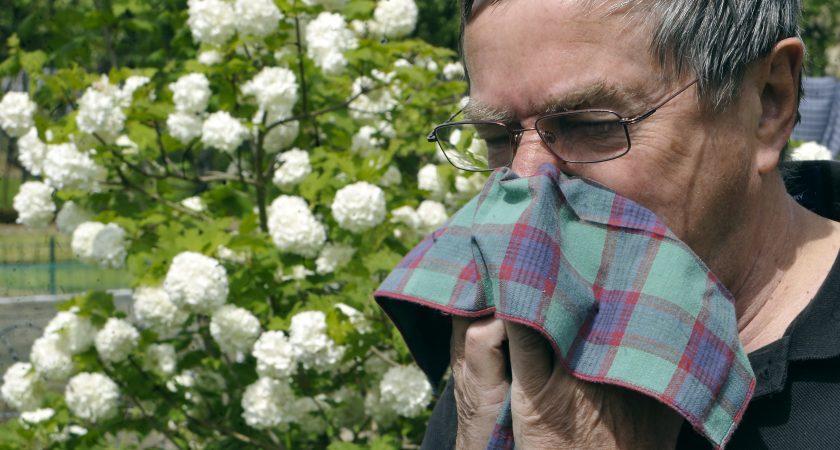
Pollen levels in Quebec have surged to what reports describe as a “gigantic peak,” causing an unexpectedly severe allergy season. According to TVA Nouvelles and Radio-Canada, these “pollen bombs” are intensifying symptoms for residents, while Le Nouvelliste characterizes the resulting hay fever as an aberration of the human immune system.
- Quebec is experiencing an intensified allergy season with pollen levels described as “pollen bombs” by TVA Nouvelles.
- Radio-Canada reports a “gigantic peak” of pollen that is complicating the seasonal transition.
- Le Nouvelliste attributes the explosion of hay fever to a fundamental aberration in the immune system.
Why are pollen levels surging in Quebec?
Residents in Quebec are facing a more aggressive allergy season than previously anticipated. TVA Nouvelles reports that the region is being hit by “pollen bombs,” a term used to describe the sudden and intense concentration of allergens in the air. This spike has led to a higher volume of severe symptoms across the province.
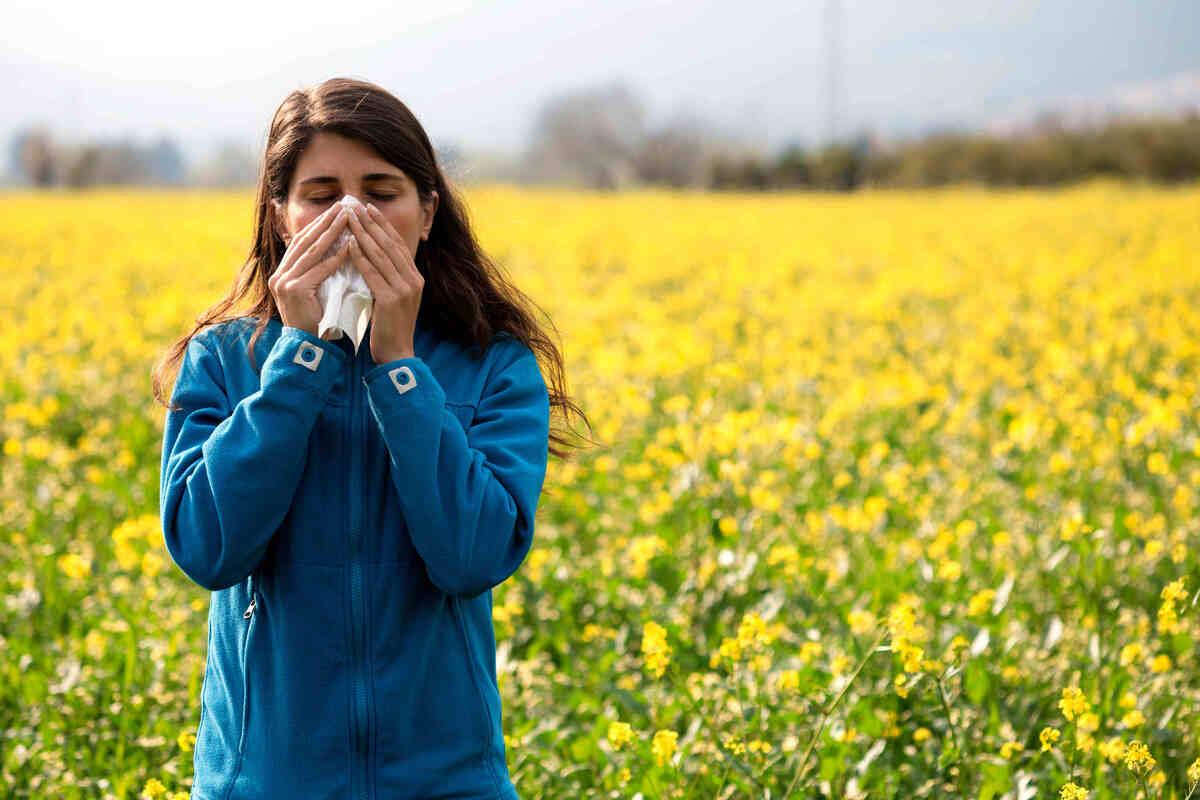
Radio-Canada further describes the situation as a “gigantic peak” of pollen. According to the outlet, this surge is complicating the overall allergy season, making it more difficult for affected individuals to manage their symptoms compared to previous years.
What causes the immune system to overreact to pollen?
The biological drive behind these severe reactions is not a failure of the body to protect itself, but rather a misdirected response. According to Le Nouvelliste, the explosion of hay fever cases is essentially an “aberration of our immune system.”
“C’est une aberration de notre système immunitaire”
Le Nouvelliste
In these instances, the immune system identifies harmless pollen grains as dangerous invaders, triggering an inflammatory response that results in the classic symptoms of allergic rhinitis.
How are allergy trends changing for the outdoors?
The increase in sensitivity is not limited to a single season. According to Espaces, there is a growing trend of individuals suffering more than usual when spending time outdoors, a trend that is expected to persist into 2026. The publication suggests that the intensity of these reactions is becoming a more prominent issue for the general population.
While the immediate cause of the current spikes is attributed to the volume of pollen, the broader trend indicates a shift in how populations are reacting to environmental allergens.
