
watchOS 27 will add two new apps to your Apple Watch – 9to5Mac
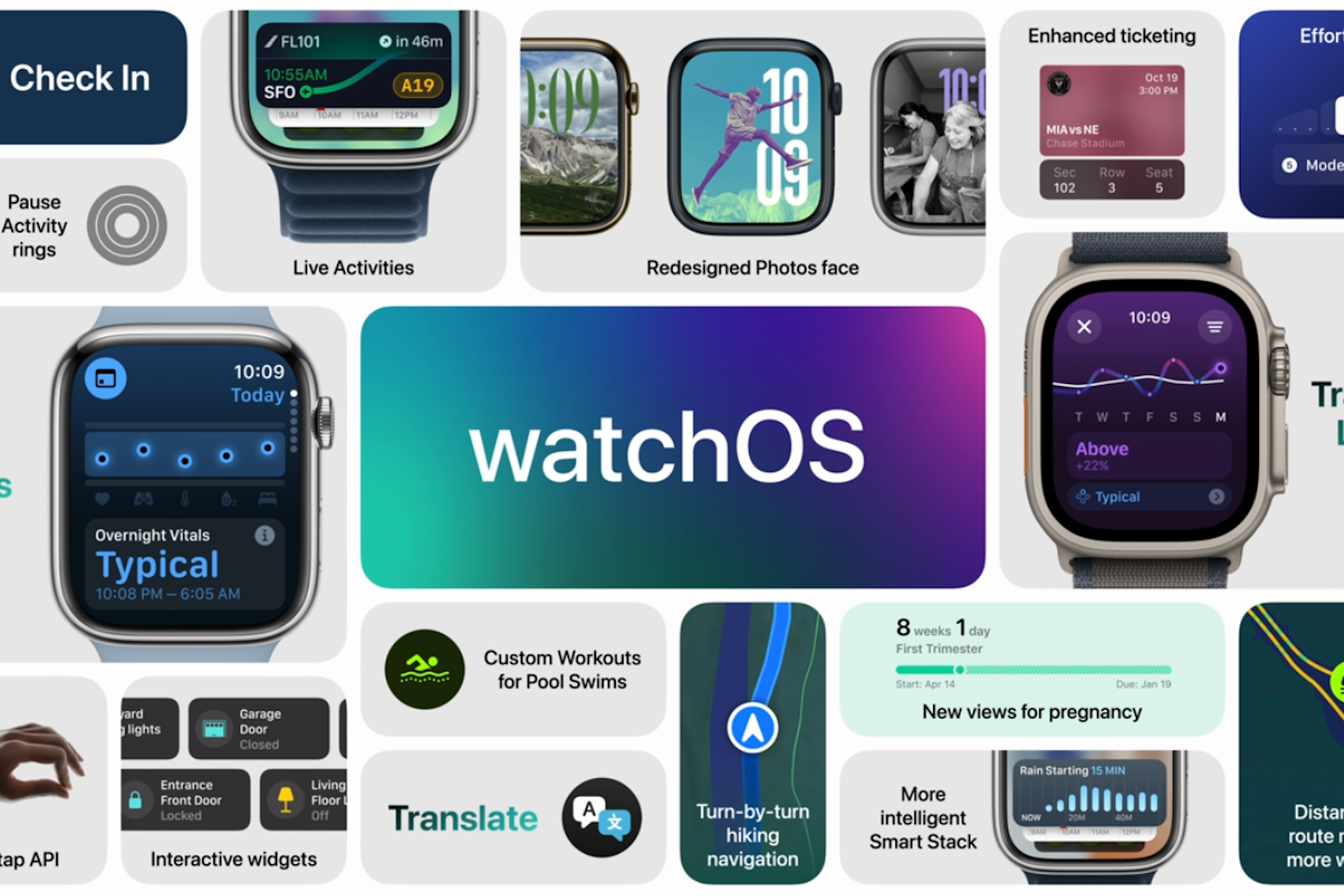
watchOS 27 will add two new apps to your Apple Watch, according to 9to5Mac, as part of a broader software update that introduces seven performance improvements. While these additions expand the device’s utility, reports from Macworld and Fast Company indicate the update will render approximately one million older Apple Watch models obsolete, as the new software will not be compatible with those legacy devices.
What are the new features in watchOS 27?
The latest iteration of Apple’s wearable software focuses on expanding the native ecosystem and refining system efficiency. According to 9to5Mac, watchOS 27 will add two new apps to your Apple Watch, providing users with additional built-in functionality without requiring third-party downloads. While Apple has not detailed the specific utility of these apps in every public briefing, the addition signals a move toward making the watch more independent from the paired iPhone.
Beyond the new applications, the update targets the underlying architecture of the device. MacRumors reports that watchOS 27 improves Apple Watch performance in seven distinct ways. These optimizations typically target battery longevity, app launch speeds, and sensor accuracy, ensuring that the hardware can handle more complex tasks without a corresponding drop in power efficiency.
“watchOS 27 improves Apple Watch performance in seven ways,” according to MacRumors, highlighting a systemic approach to software optimization.
The performance gains are critical as Apple integrates more sophisticated AI capabilities into the wrist-worn device. By optimizing how the processor handles background tasks and sensor polling, Apple aims to maintain a fluid user interface even as the software grows in complexity.
Which Apple Watch models are obsolete under watchOS 27?
The rollout of watchOS 27 comes with a significant hardware cost for long-term users. Fast Company reports that Apple’s new watch software won’t run on some of its older models, effectively cutting off a segment of the user base from new features and security updates.
The scale of this displacement is substantial. Macworld reports that Apple just made about a million Apple Watches obsolete through this compatibility shift. This figure suggests that a significant volume of older series devices—likely those with older S-series chips that lack the memory or processing power for watchOS 27—will be unable to install the update.
This trend of “software-driven obsolescence” is a recurring point of contention in the tech industry. When a device can no longer run the current OS, it often loses access to new app versions and integrated services, eventually forcing the user to upgrade their hardware to maintain full functionality.
| Impact Category | Detail | Source |
|---|---|---|
| New Functionality | Two new native apps added | 9to5Mac |
| System Efficiency | Seven performance improvements | MacRumors |
| Hardware Loss | ~1 million devices obsolete | Macworld |
| Compatibility | Older models unsupported | Fast Company |
Why isn’t Siri AI acting as a health coach?
As AI integration becomes a focal point for Apple, there has been significant speculation regarding the role of Siri in health management. However, current reporting suggests a conservative approach to AI-driven medical advice. The Verge reports that Siri AI is not trying to be a health coach, indicating that Apple is avoiding the risks associated with providing automated, AI-generated health prescriptions or coaching.
This decision likely stems from the regulatory and ethical complexities of health data. Providing AI-driven health coaching could place Apple in the position of providing medical advice, which is subject to strict oversight by bodies like the FDA. By keeping Siri as an assistant rather than a coach, Apple maintains a boundary between data reporting (showing the user their heart rate or sleep patterns) and medical interpretation (telling the user how to change their lifestyle based on that data).
The distinction is important for user safety. AI “hallucinations”—where a large language model generates confident but incorrect information—could be dangerous in a health context. By limiting Siri’s role, Apple prioritizes accuracy and safety over the trend of generative AI coaching.
Analyzing the trade-off: New apps vs. hardware obsolescence
The release of watchOS 27 presents a clear dichotomy: increased value for users of modern hardware and a total loss of update support for users of older devices. For those with compatible watches, the combination of two new apps and seven performance boosts represents a meaningful upgrade in daily utility.
However, the loss of support for a million devices, as cited by Macworld, raises questions about the sustainability of the Apple Watch ecosystem. When a million devices are rendered obsolete, it creates a surge in electronic waste and pushes users toward a forced upgrade cycle.

- Gain for Modern Users: Enhanced speed, new native tools, and better battery management through seven performance optimizations.
- Loss for Legacy Users: Inability to access watchOS 27 features, potential app incompatibility, and a lack of new security patches.
- Strategic Shift: A move toward AI-enhanced performance while avoiding the liability of AI-driven health coaching.
This pattern mirrors previous transitions in the iPhone and iPad lines, where the introduction of new neural engines or increased RAM requirements eventually leaves older chips unable to support the latest OS. In the case of watchOS 27, the hardware requirements have clearly surpassed the capabilities of the million devices mentioned by Macworld.
How watchOS 27 affects the wearable market
Apple’s strategy with watchOS 27 reinforces its position as a leader in the wearable space by continuously pushing the boundaries of what a wrist-based device can do. By adding new apps and refining performance, Apple ensures that the Apple Watch remains a primary tool for productivity and health tracking rather than a mere accessory to the phone.
The decision to omit an AI health coach, as noted by The Verge, also sets a precedent for other wearable manufacturers. While competitors may rush to implement generative AI coaching, Apple’s hesitation suggests that the industry may be approaching a “safety ceiling” where the risks of AI medical advice outweigh the marketing benefits.
Furthermore, the obsolescence of older models serves as a powerful incentive for users to upgrade to the latest Series or Ultra models. This ensures that the active user base is operating on hardware capable of supporting the next generation of Apple’s AI and health sensing technologies.
For those interested in how these updates compare to previous years, a related explainer on Apple’s software update history provides context on how Apple manages device longevity.
Common misconceptions about watchOS 27
There is a common belief that any Apple Watch can run any watchOS update if the user is willing to sacrifice some speed. This is incorrect. As Fast Company points out, the software simply “won’t run” on certain models. This is usually due to hardware limitations—such as insufficient flash storage or a processor that cannot execute the new kernel’s instructions—rather than a deliberate choice to slow down the device.
Another misconception is that the “two new apps” mentioned by 9to5Mac are merely updated versions of existing apps. In news reporting, “new apps” refers to entirely new additions to the native app library, expanding the watch’s capabilities beyond what was previously possible in watchOS 26.
Lastly, some users assume that the lack of an AI health coach means Apple is not using AI in the watch. On the contrary, the “seven performance improvements” reported by MacRumors often involve AI-driven power management and sensor processing, even if those AI processes are not presented to the user as a “coach” or a chatbot.
FAQ
Will my Apple Watch be obsolete with watchOS 27?
According to reports from Macworld and Fast Company, approximately one million older Apple Watch models will not be compatible with watchOS 27. If you own an early-generation Apple Watch, it is possible your device will not support the update.
What are the main benefits of watchOS 27?
The update provides two primary benefits: the addition of two new native apps, as reported by 9to5Mac, and seven specific performance improvements, according to MacRumors, which aim to increase the device’s overall efficiency.
Is Siri becoming a health coach in watchOS 27?
No. According to The Verge, Siri AI is not attempting to function as a health coach, likely to avoid the regulatory and safety risks associated with providing automated medical advice.
How many devices are affected by the lack of support?
Macworld reports that about a million Apple Watches have been made obsolete by the hardware requirements of the new software.
Do the performance improvements affect battery life?
While Apple has not released a specific percentage, MacRumors indicates that the seven performance improvements are designed to optimize how the watch operates, which typically includes better energy efficiency and faster processing.
