‘There’s No Cure’: Famed NYC TV Anchor Reveals Diagnosis Live On-Air, And It’s Powerful
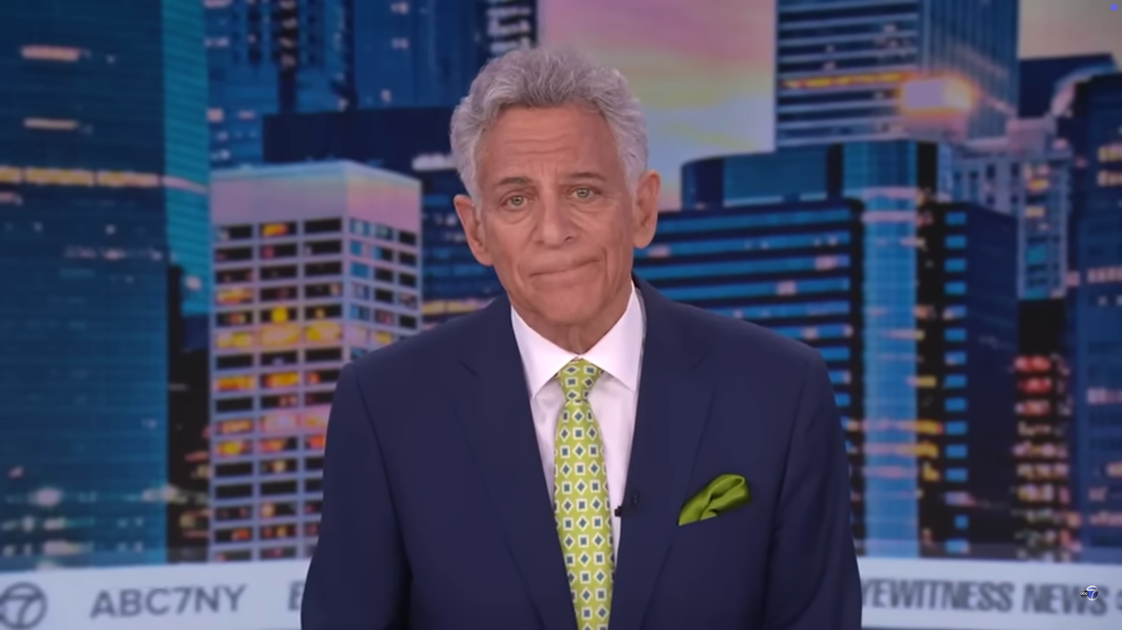
On a recent broadcast, a prominent New York City television news anchor disclosed a diagnosis of Alzheimer’s disease during a live segment, sparking widespread attention and reflection on the challenges of neurodegenerative conditions. The revelation, made during a routine news update, underscored the personal and professional struggles of those affected by the illness, while also highlighting the broader societal implications of early detection and public awareness.
What Happened and Who Was Involved?
The incident occurred on a midweek afternoon when the anchor, whose name has not been publicly released, addressed the audience with a statement that abruptly shifted the tone of the broadcast. “There’s no cure,” the individual said, before explaining a recent diagnosis of Alzheimer’s disease. The moment, captured by viewers and shared across social media platforms, quickly became a focal point for discussions about the disease’s impact on public figures and the healthcare system.
While the anchor’s identity remains undisclosed, their role in the New York City media landscape is well-established. With over two decades of experience in television journalism, the individual has been a familiar presence on local news programs, known for their authoritative delivery and commitment to factual reporting. The decision to share a personal health diagnosis live on air has drawn both admiration and concern from colleagues and viewers alike.
Timeline of the Diagnosis and Public Reaction
The anchor’s announcement followed months of private contemplation, according to sources close to the individual. Reports indicate that the diagnosis was confirmed in early 2024, but the decision to go public was made after a series of personal and professional milestones. “I felt it was important to speak openly about this,” the anchor said during the broadcast, though no further details were provided about the progression of the illness or treatment plans.

Public reaction to the disclosure was immediate and varied. Social media platforms saw an outpouring of support, with many users expressing empathy and admiration for the anchor’s courage. However, the announcement also prompted questions about the challenges faced by individuals in high-pressure professions when confronting a progressive illness. “It’s a reminder that no one is immune to these conditions,” one viewer wrote on a popular news forum.
Context and Broader Implications
Alzheimer’s disease, the most common form of dementia, affects millions of people worldwide, with the number of cases projected to triple by 2050. In the United States alone, over 6 million individuals are living with the condition, according to the Alzheimer’s Association. The disease is characterized by memory loss, cognitive decline, and changes in behavior, often leading to a gradual loss of independence.
The anchor’s public disclosure adds to a growing trend of high-profile individuals sharing their experiences with neurodegenerative disorders. In recent years, several celebrities, athletes, and public figures have spoken openly about their diagnoses, contributing to increased funding for research and advocacy efforts. However, the decision to go public often comes with significant personal and professional risks, particularly for those in visible roles.
Expert Perspectives and Medical Insights
Medical experts have emphasized the importance of early diagnosis and management strategies for Alzheimer’s disease. “While there is no cure, early intervention can significantly improve quality of life,” said Dr. Emily Torres, a neurologist at a leading research hospital. “This includes lifestyle modifications, cognitive therapy, and, in some cases, medication to slow the progression of symptoms.”
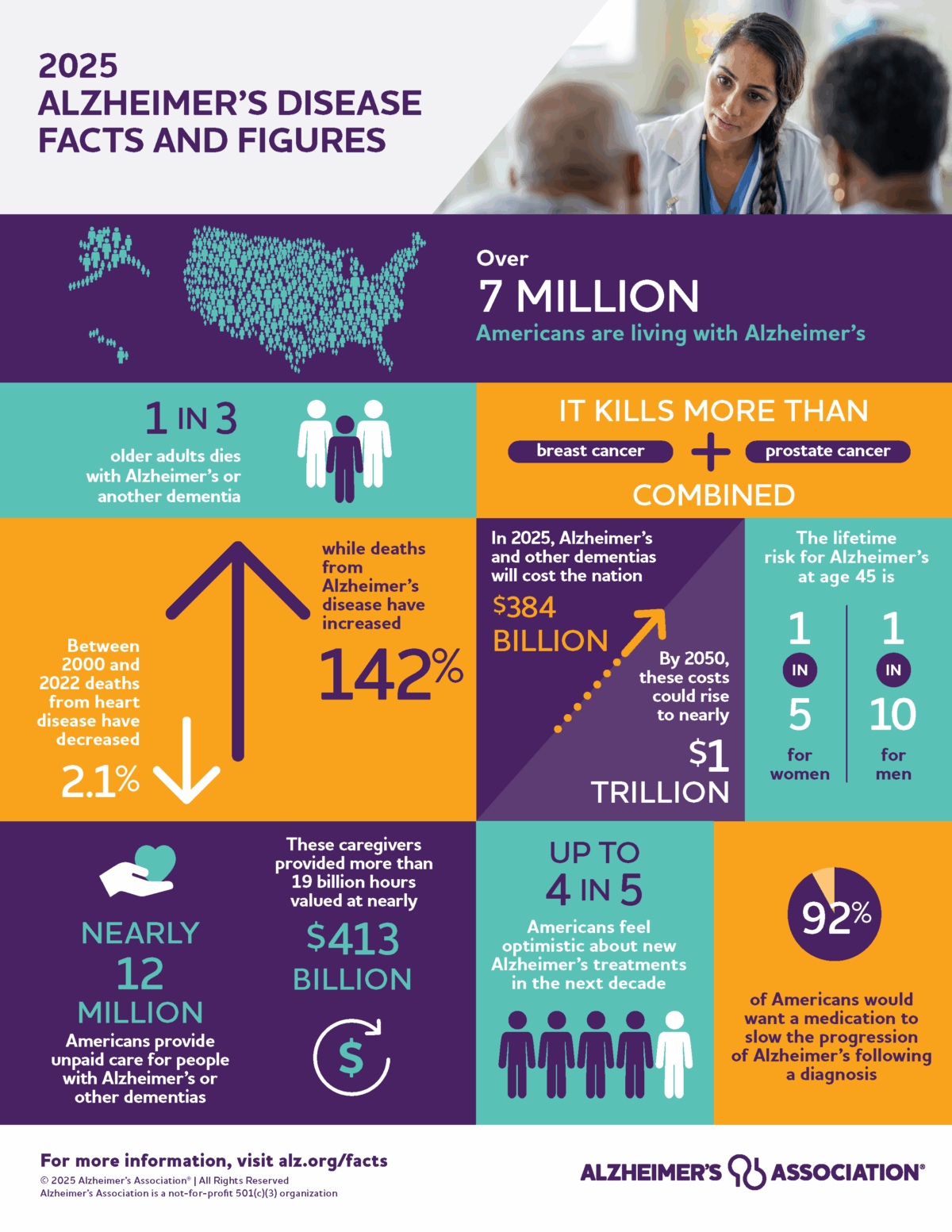
Despite advances in treatment, the disease remains a significant challenge for both patients and caregivers. The financial burden of care, combined with the emotional toll on families, has led to calls for expanded support systems and increased investment in research. “We need to prioritize both medical innovation and social infrastructure to address the growing crisis,” Dr. Torres added.
Impact on the Media Industry
The anchor’s decision to share their diagnosis has also sparked conversations about the pressures faced by media professionals. In an industry where public perception and performance are paramount, the disclosure raises questions about how individuals balance personal health with professional obligations. “This highlights the need for greater flexibility and support in high-stress careers,” said media analyst Sarah Lin. “It’s a moment that could encourage more open dialogue about mental and physical health in the workplace.”
Some industry observers have speculated about the potential long-term effects of the announcement on the anchor’s career. While the individual has not yet announced plans for the future, their statement during the broadcast suggested an intention to continue working, albeit with adjustments. “I’m not done yet,” the anchor said, though no further details were provided about their role or schedule.
Public and Private Responses
The reaction from the media industry has been largely supportive, with colleagues and competitors expressing solidarity. “This is a deeply human moment,” said a fellow news anchor in a public statement. “It’s a reminder that even those in the spotlight are not immune to the challenges we all face.”
Public responses have also reflected a mix of empathy and curiosity. Many viewers have shared their own stories of dealing with Alzheimer’s, while others have questioned the decision to go public. “It’s brave, but I wonder how it will affect their career,” one commenter wrote. “Still, it’s important to raise awareness.”
What’s Next for the Anchor and the Public Discourse?
As the anchor navigates the next stages of their journey, the broader conversation about Alzheimer’s disease is likely to continue. The incident has already prompted discussions about the need for more resources, better public education, and greater empathy for those affected by the illness. “This is a pivotal moment for raising awareness,” said advocacy group representative Mark Reynolds. “Every story like this helps to break down stigma and encourage action.”

For now, the focus remains on the individual’s well-being and the ongoing efforts to improve care and support for those living with the condition. As the anchor’s story continues to unfold, it serves as a powerful reminder of the resilience required to face such challenges.
Frequently Asked Questions
What is Alzheimer’s disease?
Alzheimer’s disease is a progressive neurological disorder that leads to memory loss, cognitive decline, and changes in behavior. It is the most common form of dementia, affecting millions of people worldwide. While there is no cure, treatments and support strategies can help manage symptoms and improve quality of life.
