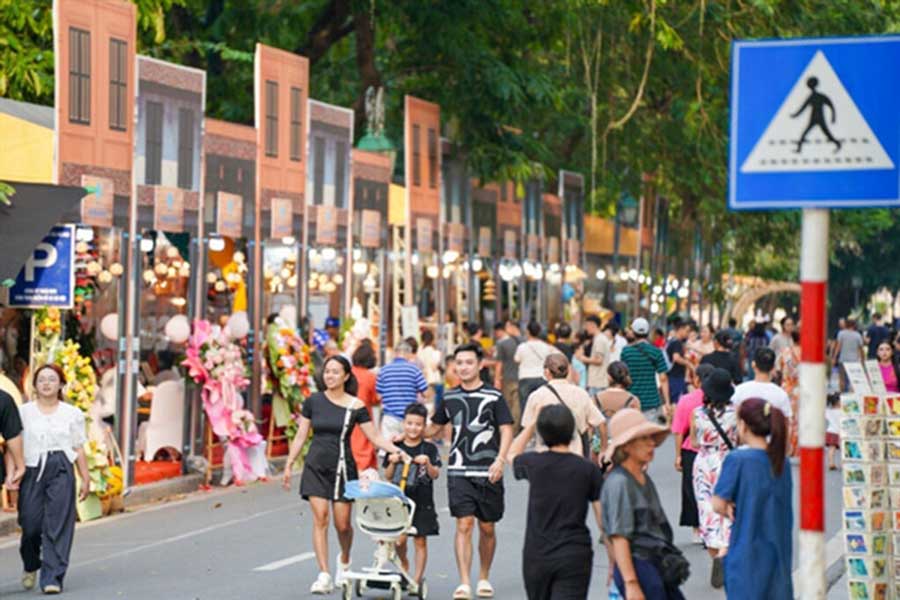
Vietnam recognised as highly peaceful in 2026 global index – Asia News Network
Vietnam has been identified as a highly peaceful nation in the 2026 global peace index, according to reports from the Asia News Network. This ranking positions the country as a primary destination for international travelers seeking safety and stability during a period of heightened global geopolitical uncertainty.
What does the 2026 global index say about Vietnam?
According to the Asia News Network, Vietnam has earned a recognition of being “highly peaceful” within the 2026 global index. This designation is based on metrics that evaluate national stability, the absence of violent conflict, and the general safety of the environment for both residents and foreign visitors. The report indicates that Vietnam’s internal stability has made it a standout performer in the Southeast Asian region.
The recognition comes at a time when global stability is fluctuating. By securing a high peace ranking, Vietnam distinguishes itself from other emerging markets that may struggle with civil unrest or political volatility. The Asia News Network highlights that this status is not merely a statistical achievement but a reflection of the country’s current social and political climate.
Key factors contributing to this peaceful designation include:
- Low rates of violent crime against tourists and locals.
- Consistent political administration and internal order.
- A lack of active internal armed conflicts.
- Strong social cohesion in urban and rural centers.
How does Vietnam compare to other peaceful countries in 2026?
While Vietnam is recognized as highly peaceful, it exists within a broader global hierarchy of safety. Data from Business Insider, which ranked the 20 most peaceful countries in the world, shows a consistent pattern where Nordic and Oceanian nations often lead the list. Iceland and New Zealand frequently appear at the top of these rankings due to their long histories of neutrality and high social trust.
Travel And Tour World notes that the top five safest destinations currently include Iceland, New Zealand, Switzerland, Ireland, and Singapore. Vietnam’s recognition as “highly peaceful” places it in a competitive bracket with other safe Asian hubs like Singapore and Malaysia. While the absolute top-tier nations often have smaller populations or isolated geographies, Vietnam’s ranking is significant because it maintains high peace levels despite being a rapidly growing economy with a large population.
| Peace Category | Example Countries (2026 Context) | Primary Safety Drivers |
|---|---|---|
| Ultra-Peaceful (Top 5) | Iceland, New Zealand, Switzerland | Neutrality, high GDP per capita, low crime |
| Highly Peaceful | Vietnam, Singapore, Malaysia | Political stability, safe tourism infrastructure |
| Volatile/Dangerous | Various (per Latest news from Azerbaijan) | Active conflict, high crime, political unrest |
The contrast is sharp when compared to the “most dangerous countries in the world” 2026 ranking reported by Latest news from Azerbaijan. That report identifies nations plagued by systemic violence and state collapse, creating a binary global landscape: “safe havens” versus “high-risk zones.” Vietnam firmly occupies the former category.
Why is this peaceful ranking driving a surge in tourism?
Safety is now a primary filter for international travel planning. Travel Weekly Asia reports that travelers are increasingly seeking “peace of mind” when choosing destinations. This shift is a direct response to rising global uncertainty, where travelers avoid regions with unpredictable political climates or high crime rates.

Vietnam has become a top choice for these travelers. According to Travel And Tour World, the revelation of new peace rankings has accelerated Vietnam’s appeal as a safe alternative to other regional destinations. The “safe haven” effect occurs when a country’s perceived stability outweighs the allure of more “adventurous” but riskier locations.
The impact on tourism is visible in several ways:
- Increased Solo Travel: High safety rankings encourage solo travelers, particularly women, to visit Vietnam.
- Family-Centric Growth: Families prioritize safety over cost, making Vietnam’s peaceful status a major selling point for multi-generational trips.
- Long-Term Stays: Digital nomads are choosing Vietnam as a base because the low risk of civil unrest provides a stable environment for remote work.
“Vietnam Becomes a Top Choice for Travelers as New Peace Rankings Reveal the Safest Destinations Amid Rising Global Uncertainty,” reports Travel And Tour World, emphasizing that safety is now as important as scenery or culture.
What metrics define a “peaceful” country in the 2026 index?
To understand why Vietnam recognised as highly peaceful in 2026 global index – Asia News Network is a significant headline, one must look at how peace is measured. These indices typically do not look at a single data point but rather a composite of several indicators.
Social Safety and Crime
A core component is the level of violent crime. This includes homicide rates and the prevalence of organized crime. In Vietnam’s case, the reports suggest a low incidence of violent crime targeting the general public, which contributes heavily to its “highly peaceful” status.
Political Stability
Indices measure the likelihood of political violence or sudden regime changes that could lead to chaos. Vietnam’s consistent governance structure provides a predictable environment, which is a key metric for global peace rankings.

Conflict and Militarization
The absence of active war or insurgency is a baseline requirement. While many countries face border disputes or internal tensions, the lack of open conflict within Vietnam’s borders keeps its score high.
For more on how these metrics affect regional growth, see a related explainer on geopolitical stability in Southeast Asia.
What are the economic implications of being a “highly peaceful” nation?
Peace is not just a social benefit; it is an economic asset. When a country is recognized as highly peaceful, it lowers the “risk premium” for foreign investors. Companies are more likely to build factories, open offices, and invest in infrastructure in countries where they do not fear the destruction of assets due to unrest.
Vietnam’s peaceful status helps it compete for Foreign Direct Investment (FDI) moving away from more volatile regions. According to the logic presented in the Asia News Network and Travel And Tour World reports, the perception of safety creates a virtuous cycle: peace attracts investment, investment grows the economy, and economic growth further stabilizes the society.
The economic benefits manifest in three primary sectors:
- Hospitality: Higher occupancy rates in hotels and resorts as safety-conscious tourists arrive.
- Manufacturing: Increased confidence from multinational corporations to establish long-term supply chains.
- Real Estate: Growth in residential and commercial property values as expatriates move to a safe environment.
How does the 2026 landscape differ from previous years?
The 2026 rankings reflect a world that is more fragmented than it was a decade ago. In previous years, “peace” was often associated with wealth—meaning only the richest nations were seen as safe. However, the 2026 data suggests a shift. Middle-income nations like Vietnam are now being recognized for their stability, proving that high peace levels can be achieved independently of reaching “developed nation” economic status.
Furthermore, the “danger” side of the spectrum has shifted. The report from Latest news from Azerbaijan indicates that instability is becoming more concentrated in specific geopolitical hotspots, making the relative peace of countries like Vietnam more valuable. This contrast makes the “highly peaceful” label a powerful branding tool for the Vietnamese government and tourism boards.
Common misconceptions about peace rankings
There is often a misunderstanding that a “peaceful” ranking means a country is devoid of all problems. This is not the case. A high ranking in a peace index focuses on the absence of violence and conflict, not the absence of social or economic challenges.
For instance, a country can be “highly peaceful” while still dealing with inflation, infrastructure gaps, or environmental issues. The 2026 index for Vietnam highlights the lack of violence and instability, which is the specific metric travelers and investors care about most. It does not imply that the country has reached a state of perfect social harmony, but rather that it is a safe environment for human activity.
Another misconception is that only small, isolated countries can be peaceful. The inclusion of Vietnam, a dynamic and populous nation, in the “highly peaceful” category challenges the idea that growth and population density inevitably lead to instability.
Comparing the “Safest” vs. the “Most Dangerous”
When looking at the 2026 data across sources, a clear divide emerges. On one end, the Business Insider and Travel And Tour World lists show nations where the primary concerns are administrative or economic. On the other end, the Latest news from Azerbaijan report describes nations where the primary concern is physical survival.
Vietnam sits comfortably in the first group. The difference is not just in the numbers, but in the daily experience of the people. In “highly peaceful” nations, the state provides a predictable framework of law and order. In “dangerous” nations, that framework has collapsed. This makes the Asia News Network’s recognition of Vietnam a critical marker of the country’s success in maintaining order during a period of global chaos.
For those interested in the opposite end of the spectrum, a related analysis on global conflict zones provides context on why some nations fall into the “most dangerous” category.
Frequently Asked Questions
What does it mean for Vietnam to be “highly peaceful” in the 2026 index?
It means that based on metrics from the Asia News Network, Vietnam has low levels of violent crime, high political stability, and an absence of internal armed conflict, making it a safe destination for residents and tourists.

Which countries are ranked as the most peaceful in 2026?
According to Business Insider and Travel And Tour World, the top tier includes Iceland, New Zealand, Switzerland, Ireland, and Singapore.
Why is Vietnam’s peace ranking important for travelers?
Travelers are increasingly prioritizing safety due to global instability. A “highly peaceful” ranking signals to tourists that Vietnam is a low-risk destination, which encourages more visits from families, solo travelers, and digital nomads.
Does a “highly peaceful” ranking mean there is no crime in Vietnam?
No. It means that the levels of violent crime and systemic instability are low compared to global averages. It refers to the general safety and stability of the environment rather than a total absence of all illegal activity.
How does this ranking affect Vietnam’s economy?
It increases the country’s attractiveness for Foreign Direct Investment (FDI) and boosts the tourism sector, as both investors and travelers prefer stable environments over volatile ones.
