
Mboko to Miss Wimbledon After Suffering Knee Injury at Queen’s – WTA Tennis
Victoria Mboko will miss Wimbledon after sustaining an MCL injury to her left knee during the HSBC Championships at Queen’s Club, according to CTV News and WTA Tennis. The injury forced the Canadian player to withdraw from the competition, effectively ending the doubles comeback of her partner, Serena Williams, as reported by CBC and Yahoo Sports.
How the Injury at Queen’s Club Occurred
Canadian tennis player Victoria Mboko withdrew from the HSBC Championships at Queen’s Club following a knee injury sustained during play. While the exact moment of the injury was not detailed in initial reports, Yahoo Sports noted that Mboko’s withdrawal occurred during her doubles partnership with Serena Williams. The timing of the injury is critical, as Queen’s Club serves as a primary grass-court tune-up event for players preparing for the Championships at Wimbledon.
According to reports from CBC, the injury to Mboko had an immediate ripple effect on the tournament bracket. Because the pair could no longer compete, Serena Williams’ attempt at a comeback at the Queen’s Club event ended prematurely. The withdrawal signals a significant setback for Mboko, who was utilizing the London-based tournament to refine her game for the upcoming Grand Slam.
- Event: HSBC Championships
- Location: Queen’s Club, London
- Injury Site: Left knee
- Immediate Result: Withdrawal from Queen’s and Wimbledon
Understanding the MCL Injury in the Left Knee
CTV News specifically identified the injury as damage to the Medial Collateral Ligament (MCL) in Mboko’s left knee. The MCL is a band of tissue that connects the thigh bone (femur) to the shin bone (tibia) on the inner side of the knee, providing stability to the joint against valgus stress—forces that push the knee inward.
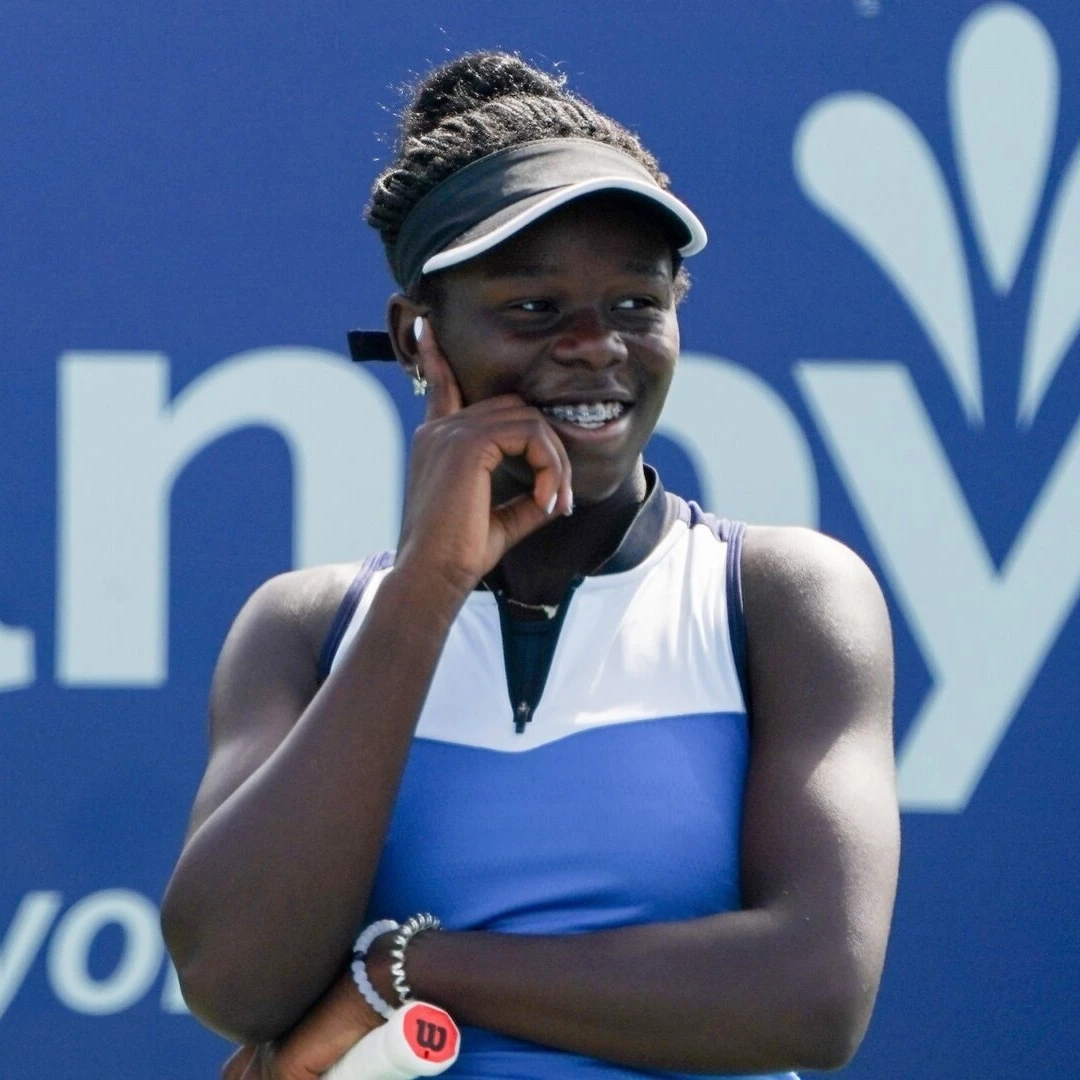
In professional tennis, the MCL is under constant strain due to the lateral movements, sudden stops, and pivots required on the court. An MCL sprain or tear typically requires a period of immobilization or physical therapy to ensure the ligament heals sufficiently to support the player’s weight during explosive movements. According to the medical nature of such injuries, the recovery timeline varies based on the grade of the tear, but the severity in this instance was sufficient to rule Mboko out of the Wimbledon draw.
The loss of stability in the left knee is particularly disruptive for tennis players, as it affects the “plant” leg during serves and the ability to change direction quickly during baseline rallies. For a player like Mboko, who is categorized as a rising star by CTV News, the priority shifts from competition to rehabilitation to prevent long-term joint instability.
Impact on Serena Williams’ Comeback Attempt
The injury to Victoria Mboko did more than sideline the Canadian athlete; it halted a highly anticipated return for Serena Williams. According to CBC and Yahoo Sports, Williams was paired with Mboko in doubles for the HSBC Championships. The partnership was viewed as a strategic move, blending Williams’ legendary experience with Mboko’s youth and energy.
ESPN reported that Williams’ comeback at Queen’s Club ended specifically because of the injury to her partner. In doubles tennis, the withdrawal of one partner necessitates the withdrawal of the team. This left Williams without a path forward in the tournament, cutting short a narrative that had drawn significant international attention. The synergy between the two players was intended to be a highlight of the grass-court season, but the physical toll on Mboko rendered the pairing inactive.
“Serena Williams’s comeback at Queen’s Club ends after injury to Canada’s Mboko.” — CBC
Implications for Victoria Mboko’s Wimbledon Campaign
Missing Wimbledon is a significant blow to any professional tennis player, but for Victoria Mboko, the timing is particularly detrimental. Wimbledon is the only Grand Slam played on grass, a surface that requires specific movement patterns and timing. By missing the tournament, Mboko loses the opportunity to earn critical ranking points and prize money associated with the most prestigious event in tennis.
The transition from the HSBC Championships to Wimbledon is designed to allow players to acclimate to the slicker, faster surface of the grass courts. Because Mboko was unable to complete her preparation at Queen’s, she misses both the competitive rhythm and the physical conditioning necessary for a deep run in the main draw. The injury effectively removes one of Canada’s emerging talents from the global stage during the peak of the summer season.
To understand the broader impact, consider the following timeline of the event’s progression:
| Stage | Event/Action | Outcome |
|---|---|---|
| Preparation | Entry into HSBC Championships | Partnership formed with Serena Williams |
| Incident | Match play at Queen’s Club | Left knee MCL injury sustained |
| Immediate Aftermath | Withdrawal from HSBC Championships | Serena Williams’ comeback ends |
| Long-term Result | Wimbledon Withdrawal | Mboko misses the Grand Slam |
Comparing Media Coverage of the Withdrawal
The reporting on Mboko’s injury varied across major outlets, reflecting different editorial focuses. While all sources agreed on the core facts, the framing of the story shifted depending on the outlet’s primary audience.
CTV News and WTA Tennis focused heavily on the medical specifics and the impact on the athlete’s career, with CTV News being the primary source to specify the “MCL in left knee” diagnosis. This framing prioritized the health and future of the Canadian star.
In contrast, CBC and Yahoo Sports framed the story through the lens of Serena Williams. By highlighting that Williams’ comeback “ends” because of Mboko’s injury, these outlets emphasized the celebrity status of Williams and the unfortunate coincidence of the timing. ESPN’s reporting acted as a bridge, noting the partnership and the subsequent loss of the Wimbledon opportunity.
This contrast shows a divide between “player-centric” reporting (focusing on Mboko’s health) and “event-centric” reporting (focusing on the disruption of Serena Williams’ return). Regardless of the frame, the consensus remains that the injury is a definitive setback for both athletes.
The Role of Grass Court Preparation in Tennis
The injury at Queen’s Club highlights the volatility of the grass-court season. Grass is widely considered the most taxing surface for the lower extremities due to its lack of consistent grip compared to clay or hard courts. The “slide” on grass is different from the slide on clay, often leading to sudden torque on the knee joints if a player loses their footing.
For a player like Mboko, the HSBC Championships were not just about winning matches but about “finding their feet.” When an MCL injury occurs during this phase, it is often the result of a pivot or a sudden change in direction where the foot catches in the turf, forcing the knee to bend in an unnatural direction. This is a common risk during the transition to grass, which is why the loss of the tournament is so impactful—it removes the only window for high-level grass acclimation before the Wimbledon start date.
Related analysis on tennis injury recovery timelines suggests that MCL injuries, while often manageable without surgery, require strict adherence to rehabilitation protocols to avoid chronic instability. For Mboko, the focus now shifts from the courts of London to the training room.
Frequently Asked Questions
What specific injury did Victoria Mboko suffer?
According to CTV News, Victoria Mboko suffered an injury to the Medial Collateral Ligament (MCL) in her left knee.

Why did Serena Williams have to stop playing at Queen’s Club?
As reported by CBC and Yahoo Sports, Serena Williams was Mboko’s doubles partner. Because Mboko had to withdraw due to her knee injury, the team could no longer compete, ending Williams’ comeback attempt at the event.
Will Victoria Mboko play at Wimbledon?
No. WTA Tennis and other major outlets have confirmed that Mboko will miss Wimbledon as a result of the injury sustained at the HSBC Championships.
Where did the injury take place?
The injury occurred at the Queen’s Club during the HSBC Championships in London.
How serious is an MCL injury for a tennis player?
While recovery times vary, an MCL injury affects the stability of the inner knee. In tennis, this impairs the ability to pivot and change direction, which is why it necessitated Mboko’s withdrawal from high-intensity competition like Wimbledon.
