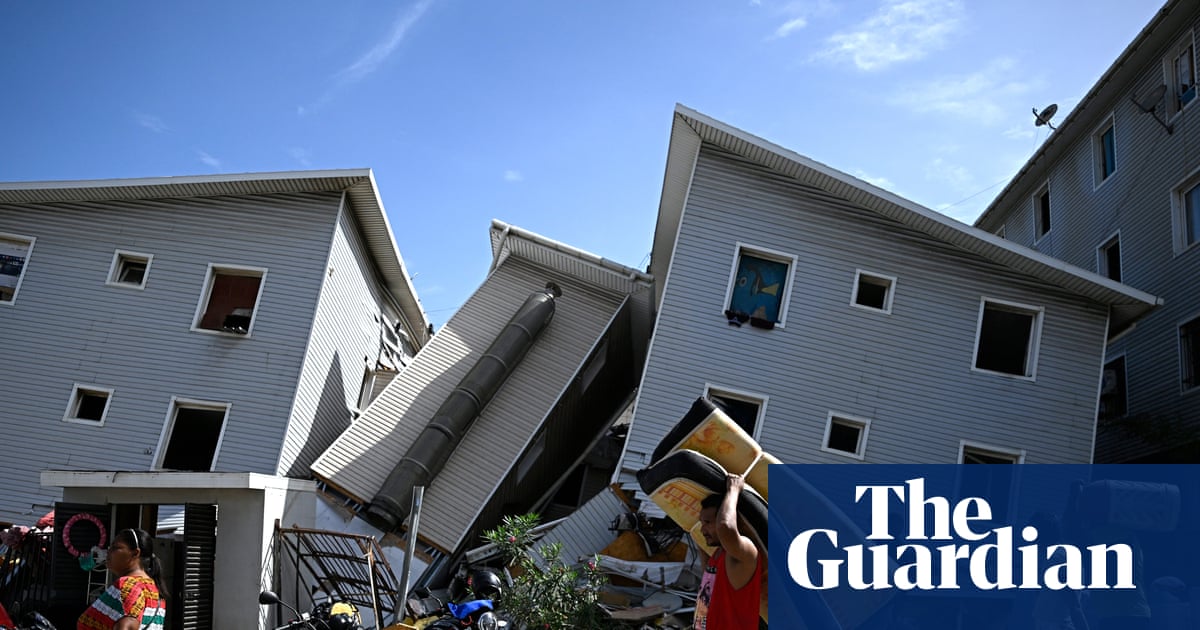
‘Paralysed by fear’: Venezuelans tell of escape and loss after huge earthquakes – The Guardian
Hundreds of people remain trapped and thousands are missing in Venezuela following a series of powerful earthquakes that caused widespread structural failure and loss of life, according to reports from SMH.com.au. While survivor accounts describe scenes of chaos and “concrete breaking off walls,” seismic experts cited by The Guardian state that the three most recent powerful tremors are not geologically related.
What is the current death toll and scale of the Venezuela earthquakes?
The humanitarian situation in Venezuela remains critical as rescue operations struggle to locate those missing under rubble. According to SMH.com.au, the death toll continues to rise, with hundreds of individuals still trapped in collapsed structures and thousands reported missing across affected regions.
The scale of the destruction is characterized by significant infrastructure failure. Survivors speaking to Al Jazeera described the intensity of the shaking, noting that concrete began breaking off walls during the tremors, leading to immediate collapses in several residential and commercial areas.
Key figures regarding the impact include:
- Missing Persons: Thousands are currently unaccounted for, according to SMH.com.au.
- Trapped Individuals: Hundreds remain beneath debris, complicating rescue efforts.
- Structural Damage: Widespread reports of wall failures and building collapses, as detailed by Al Jazeera.
Why do experts say the recent earthquakes are not related?
Despite the frequency of the tremors, seismic specialists have clarified the nature of the activity. According to The Guardian, experts have determined that the three most recent powerful earthquakes are not related to one another.
In seismic terms, this suggests that the tremors were not part of a single mainshock-aftershock sequence, but rather independent events occurring on different fault lines or within different geological mechanisms. This distinction is critical for risk assessment, as it indicates that the region is experiencing broad instability rather than a single localized event that is gradually settling.
The geological complexity of Venezuela, situated near the boundary of the Caribbean and South American tectonic plates, often results in varied seismic activity. The fact that these events are unrelated suggests a wider pattern of instability across the region’s fault systems.
How are survivors describing the experience of the quakes?
Testimonies from those on the ground paint a picture of extreme psychological and physical distress. In reports detailed by The Guardian, survivors described being “paralysed by fear” as they attempted to escape collapsing buildings and navigate the aftermath of the shocks.
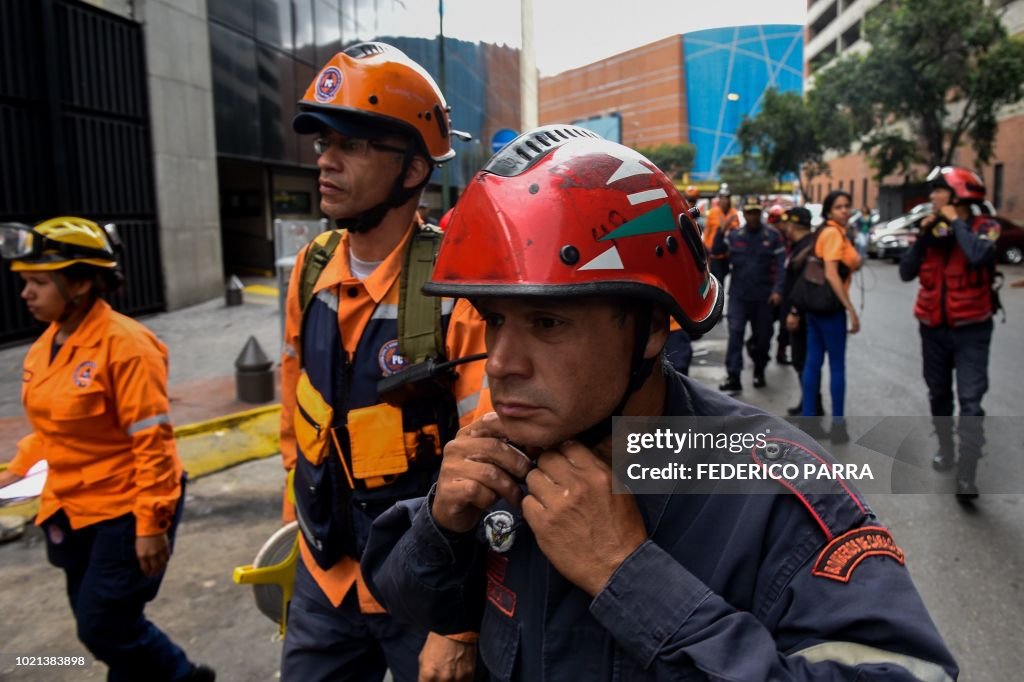
These accounts emphasize a sense of helplessness and sudden loss. The physical reality of the disaster was highlighted by witnesses who told Al Jazeera that they watched concrete break away from walls in real-time, leaving occupants with seconds to find cover or flee.
“Concrete breaking off walls” — Survivors’ description of the structural failures during the tremors, according to Al Jazeera.
The emotional toll is compounded by the loss of family members and homes. The “paralysed by fear” sentiment reflects not only the immediate terror of the shaking but the ongoing anxiety regarding potential future tremors in a region where building integrity is already compromised.
Are foreign nationals affected by the disaster?
The impact of the earthquakes has extended beyond Venezuelan citizens. According to News.com.au, it is “certainly possible” that Australian citizens were caught in the earthquakes.
International monitoring agencies and consular services typically track the presence of foreign nationals in disaster zones to coordinate evacuation and emergency aid. While specific numbers of affected Australians have not been confirmed, the possibility of their involvement has triggered alerts for those with ties to the region.
This international dimension underscores the global reach of the disaster, affecting tourists, expatriates, and diplomatic staff residing in the affected areas.
Why is the infrastructure failure so severe in these earthquakes?
The reports of “concrete breaking off walls” mentioned by Al Jazeera point to a deeper issue regarding building standards and infrastructure maintenance in Venezuela. When concrete spalls or breaks away from reinforcing steel during a quake, it often indicates a failure in the structural integrity of the building.
Several factors contribute to this vulnerability:
- Aging Infrastructure: Many buildings in the region have not been retrofitted to meet modern seismic codes.
- Economic Constraints: Ongoing economic instability in Venezuela has limited the government’s ability to maintain public infrastructure or enforce strict building inspections.
- Material Quality: The use of substandard concrete or insufficient steel reinforcement can lead to the catastrophic wall failures described by survivors.
The intersection of high seismic activity and degraded infrastructure creates a “risk multiplier,” where a magnitude of earthquake that might cause minimal damage in a developed city leads to mass casualties and total collapses in Venezuela.
| Source | Key Finding/Report | Focus Area |
|---|---|---|
| The Guardian | Three powerful quakes are not related | Seismic Analysis |
| SMH.com.au | Hundreds trapped, thousands missing | Casualty Figures |
| Al Jazeera | Concrete breaking off walls | Structural Failure |
| News.com.au | Possible Australians caught in quake | International Impact |
What are the immediate implications for rescue and recovery?
The current situation presents several critical challenges for emergency responders. The report from SMH.com.au regarding the thousands of missing persons suggests that the search-and-rescue phase is the most urgent priority. However, the “paralysed by fear” atmosphere described by The Guardian indicates that psychological trauma is hindering the ability of some survivors to assist in recovery efforts.

Furthermore, the unrelated nature of the earthquakes means that rescue teams cannot assume the seismic activity is tapering off. Each new, unrelated event can trigger further collapses of already weakened structures, endangering both survivors and rescue workers.
For a deeper understanding of how seismic events impact urban areas, readers may find a related explainer on seismic building codes useful.
Challenges facing the recovery effort:
- Access to Rubble: The “concrete breaking off walls” has created unstable debris piles that are dangerous to navigate.
- Resource Scarcity: Venezuela’s economic state complicates the procurement of heavy lifting equipment and medical supplies.
- Coordination: Managing the search for thousands of missing people requires a level of logistical coordination that is currently strained.
Comparing reports on the seismic activity
There is a notable contrast in how different outlets are framing the disaster. While SMH.com.au focuses on the quantitative loss—the hundreds trapped and thousands missing—The Guardian emphasizes the qualitative experience of the survivors and the scientific nuance of the tremors.
The Guardian’s reporting on the “unrelated” nature of the three quakes provides a critical scientific counter-narrative to the intuitive feeling that one quake caused the others. This distinction is vital because it changes the forecast for future activity; aftershocks typically decrease in intensity, but unrelated quakes can occur at any magnitude regardless of the previous event.
Meanwhile, Al Jazeera provides the most concrete detail on the physical failure of the buildings, bridging the gap between the seismic data and the human toll by explaining exactly how the structures failed (concrete breaking off walls).
Frequently Asked Questions
Were the three recent earthquakes in Venezuela aftershocks of one another?
No. According to experts cited by The Guardian, the three most recent powerful earthquakes are not related to each other, meaning they were independent seismic events rather than a mainshock and its subsequent aftershocks.
How many people are missing after the Venezuela earthquakes?
Reports from SMH.com.au indicate that thousands of people are missing, with hundreds still trapped under rubble as the death toll continues to rise.

What caused the buildings to collapse so easily?
Survivors told Al Jazeera that concrete was breaking off walls during the tremors. This suggests structural failures likely caused by a combination of seismic intensity and compromised building integrity or outdated construction standards.
Are there foreign citizens missing in Venezuela?
According to News.com.au, it is “certainly possible” that Australian citizens were caught in the earthquakes, though official confirmation of specific individuals is typically handled through consular channels.
What is the psychological impact on the survivors?
Survivors have described being “paralysed by fear,” according to The Guardian, reflecting the intense trauma of the escape and the loss of loved ones and property.
