
The United States conducted a series of airstrikes against Iranian military targets in the early hours of Tuesday, citing self-defense following an Iranian attack on a U.S. helicopter in the Strait of Hormuz, according to multiple government officials. The strikes marked a significant escalation in tensions between the two nations, which have been locked in a fragile standoff since the 2018 U.S. withdrawal from the Iran nuclear deal.
Escalation in the Strait of Hormuz
A U.S. military helicopter was shot down during a night operation in the strategic waterway, according to a statement from the U.S. Central Command. Iranian forces intercepted the aircraft, which was conducting surveillance near the Omani border, the statement said. The incident occurred hours after a series of Iranian drone attacks on U.S. bases in Iraq, which the U.S. attributed to Iranian-backed militias but did not directly blame Tehran.
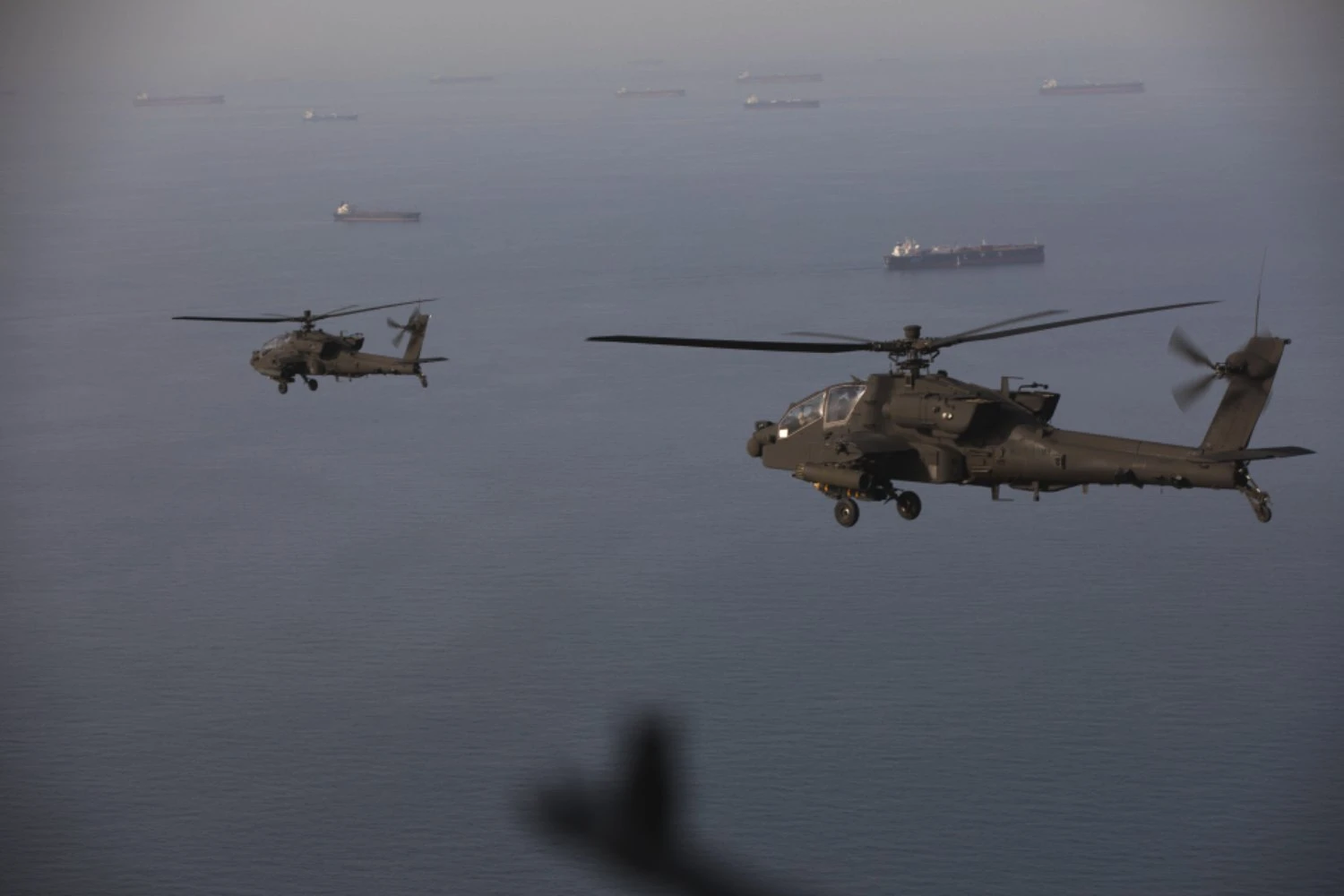
The U.S. action followed a 24-hour period of heightened tensions, during which Iranian naval forces reportedly issued warnings to U.S. vessels in the region. A senior administration official confirmed the airstrikes targeted facilities in western Iran, though no casualties or damage reports were immediately released. “This was a measured response to an unjustified attack,” the official said, emphasizing the U.S. commitment to protecting its forces “in accordance with international law.”
Regional Implications
The strike comes amid broader instability in the Middle East, where U.S.-Iran tensions have periodically flared since the 2020 U.S. assassination of Iranian General Qasem Soleimani. Analysts note that the incident could complicate ongoing negotiations between Iran and world powers over a potential revival of the 2015 nuclear agreement, which collapsed under the Trump administration. “This could derail diplomatic efforts and further isolate Iran regionally,” said Dr. Layla Al-Sayed, a Middle East analyst at the London School of Economics.
Iranian state media condemned the strikes as “unprovoked aggression,” while Supreme Leader Ayatollah Ali Khamenei called for “swift and decisive” retaliation. The Islamic Revolutionary Guard Corps (IRGC) reportedly deployed additional forces to the border with Iraq, according to regional security reports.
International Reactions
The European Union issued a statement urging “caution and de-escalation,” with German Foreign Minister Annalena Baerbock calling for “immediate dialogue to prevent further violence.” Meanwhile, Saudi Arabia and the United Arab Emirates, both U.S. allies in the region, expressed concern over the potential for wider conflict. “This incident underscores the need for a unified regional approach to security,” said a statement from the Gulf Cooperation Council.
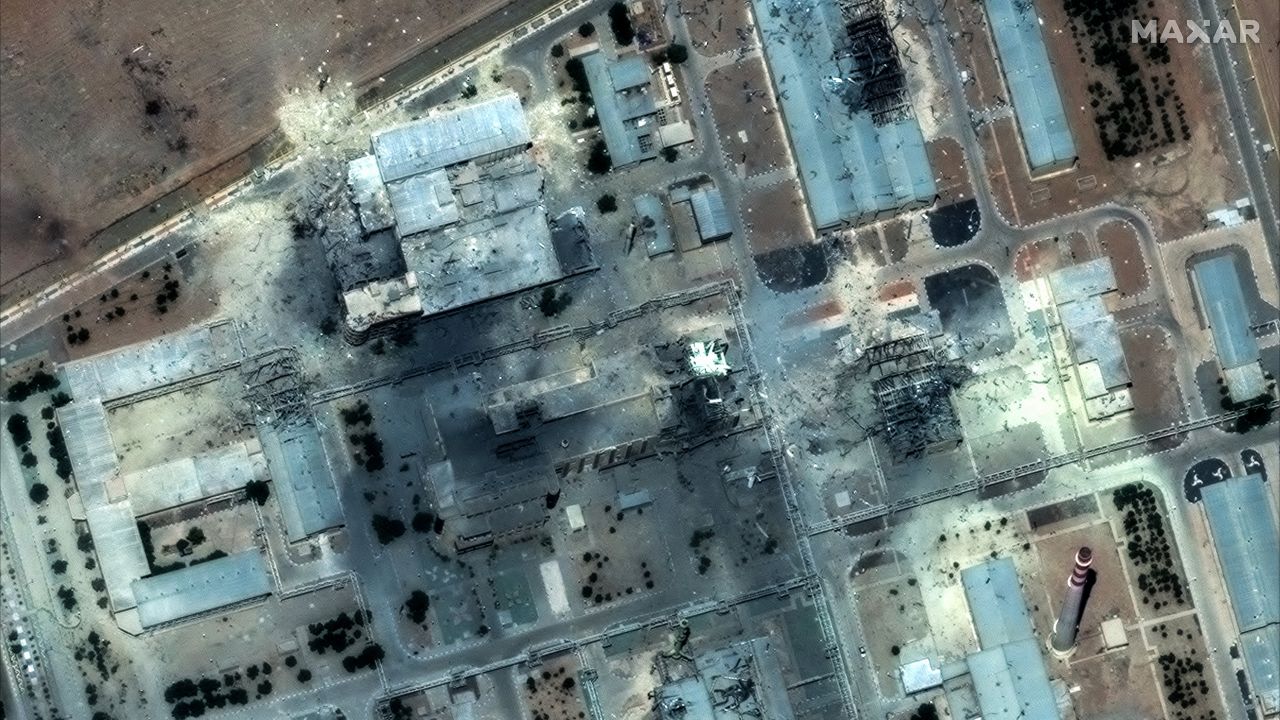
Israel, a key U.S. ally, did not publicly comment on the strikes but has historically aligned with American policy toward Iran. The situation has also drawn attention from global powers like China and Russia, which have called for restraint while advocating for a multipolar approach to Middle East security.
What’s Next
The U.S. has not announced further military actions, but the Pentagon has increased air patrols in the region. Iran has yet to specify its next steps, though it has previously warned of retaliatory measures against U.S. interests. Diplomatic channels remain open, with the International Atomic Energy Agency (IAEA) preparing to resume inspections of Iranian nuclear facilities later this month. However, the immediate focus remains on preventing a broader conflict in a region already vulnerable to volatile shifts.
