U.S. and Iran Near Ceasefire Agreement, Officials Report
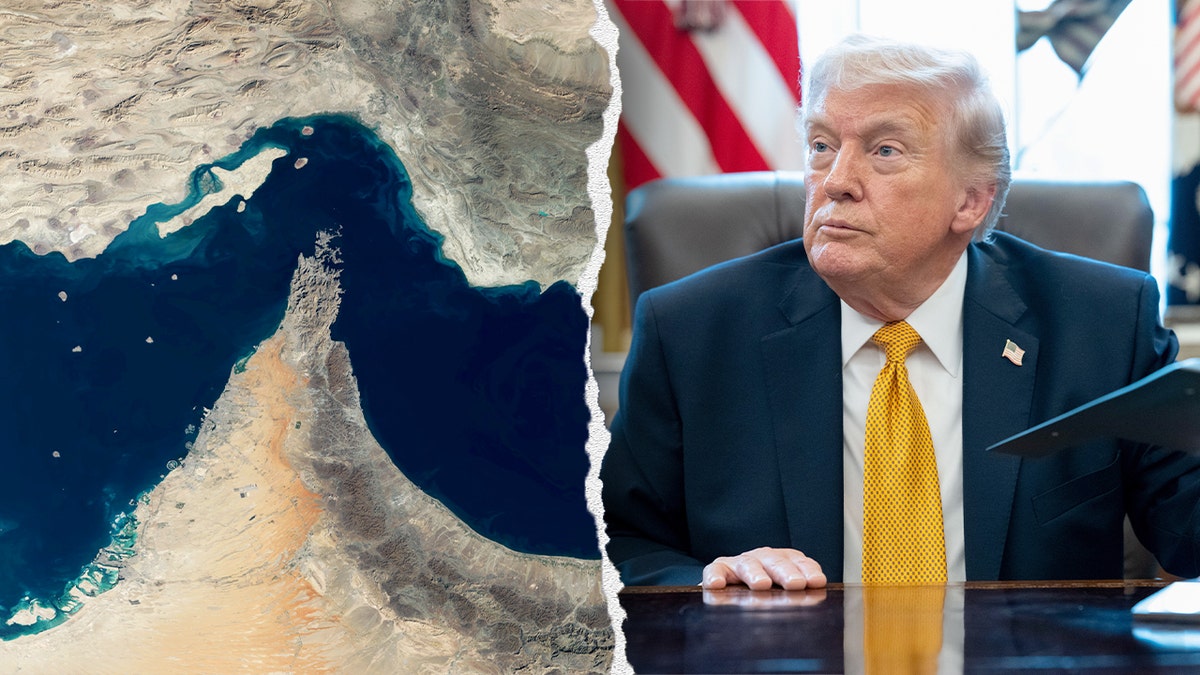
Senior U.S. and Iranian officials are nearing a framework to end hostilities, according to multiple sources, marking a potential turning point in a conflict that has escalated regional tensions for months. The proposed agreement, which could see the Strait of Hormuz reopened to commercial shipping, has drawn mixed reactions from regional actors and international observers.
What Has Transpired?
Recent diplomatic efforts between the United States and Iran have led to what officials describe as “a breakthrough” in negotiations. The talks, mediated by neutral third parties, focus on halting military operations, ensuring the safety of civilian infrastructure, and establishing a temporary truce. While the exact terms remain undisclosed, reports indicate that both sides have agreed on key areas such as the withdrawal of forces from disputed zones and the resumption of humanitarian aid flows.
According to a senior U.S. State Department official, “The discussions have moved beyond theoretical frameworks to concrete proposals. There is a shared understanding that prolonged conflict harms regional stability and economic interests.” Iranian state media echoed this sentiment, highlighting the “historic opportunity to restore peace” but cautioning against “external interference.”
Key Players and Their Positions
The U.S. and Iran are the central parties, but other regional and global actors have significant stakes in the outcome. The Gulf Cooperation Council (GCC), particularly Saudi Arabia and the United Arab Emirates, have expressed cautious optimism, as a ceasefire could stabilize energy markets and reduce the risk of broader conflict. Meanwhile, Israel has maintained a firm stance, with its government emphasizing the need for “comprehensive security guarantees” before supporting any agreement.
Pakistan’s Prime Minister, in a recent statement, claimed that “the final text of the agreement has been finalized,” though no official document has been released. This assertion has added complexity to the narrative, as Pakistan’s role as a mediator remains unclear. The United Nations has called for transparency, urging both nations to “prioritize the protection of civilians and the rule of law.”
Historical Context and Regional Implications
The current conflict stems from years of diplomatic friction, including the 2018 U.S. withdrawal from the Iran nuclear deal and subsequent sanctions. Tensions escalated in 2023 after a series of attacks on oil tankers and diplomatic incidents, leading to a fragile but escalating cycle of retaliation. A ceasefire would represent the first major diplomatic progress since the 2015 nuclear agreement, which was abandoned by the Trump administration.
Analysts note that the Strait of Hormuz, a critical chokepoint for global oil trade, has been a focal point of the dispute. Iran’s recent threats to block the strait have raised fears of a global energy crisis. A deal to ensure free passage would alleviate these concerns, though enforcement mechanisms remain a point of contention. “The real test will be whether both sides can trust each other to uphold their commitments,” said Dr. Amina Khoury, a Middle East analyst at the Brookings Institution.
Reactions and Uncertainties
Reactions to the reported agreement have been mixed. In the U.S., lawmakers have called for “cautious optimism,” with some emphasizing the need for “robust verification measures.” Iranian citizens, meanwhile, have expressed both hope and skepticism, with social media platforms filled with messages like “This is our chance to rebuild” and “Don’t let this slip away.”
However, challenges remain. The involvement of non-state actors, such as militias in Iraq and Yemen, complicates the ceasefire’s scope. Additionally, the U.S. and Iran have yet to resolve disputes over sanctions and the status of Iranian nuclear activities. As one U.S. diplomat noted, “This is not a final deal—it’s a step toward one, but the path ahead is fraught with obstacles.”
What Comes Next?
The next phase of negotiations will likely focus on drafting a formal agreement, with both sides expected to seek international guarantees. The U.N. Security Council may be involved to lend legitimacy, though U.S.-led initiatives have historically faced resistance from Russian and Chinese representatives. Regional organizations, including the Arab League, are also expected to play a role in monitoring compliance.
For the general public, the immediate impact could include reduced military posturing and the resumption of trade routes. However, long-term stability will depend on addressing underlying issues, such as Iran’s nuclear program and the broader U.S.-Iran rivalry. As the world watches, the stakes are clear: a successful agreement could set a precedent for conflict resolution in the region, while a failure might deepen divisions and reignite hostilities.
FAQs
What are the main terms of the proposed ceasefire?
The agreement reportedly includes a temporary halt to military operations, the withdrawal of forces from disputed areas, and measures to ensure the safety of commercial shipping in the Strait of Hormuz. Specific details about sanctions relief or nuclear negotiations remain unclear.
Why is Pakistan involved in the talks?
Pakistan has positioned itself as a neutral mediator, leveraging its historical ties with both the U.S. and Iran. Its prime minister’s recent comments about a “final text” suggest the country is playing a more active role, though its exact influence remains debated.
What are the risks of a failed agreement?
A breakdown could lead to renewed military clashes, further destabilizing the region. It might also undermine trust in diplomatic processes, making future negotiations more difficult. Economic repercussions, including oil price volatility, are
