UK Consumer Financial Fraud Losses Reach 4-Year High in 2025, New Data Reveals
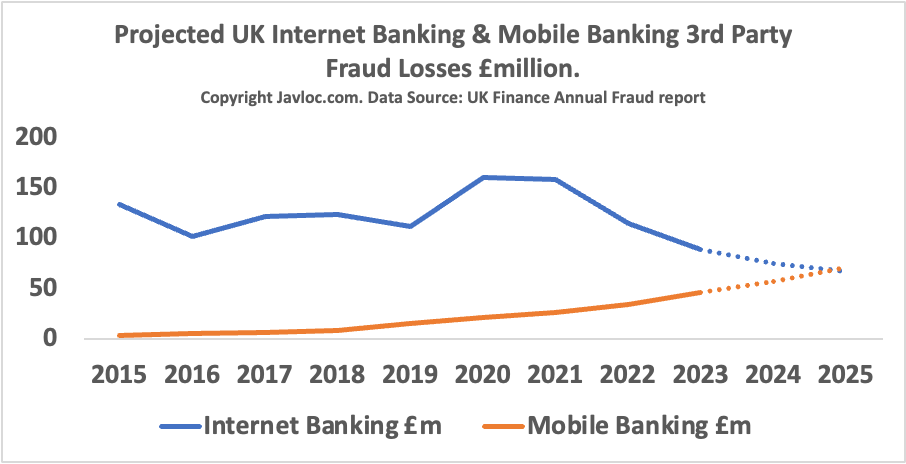
UK consumers suffered record losses from financial fraud in 2025, with reported incidents reaching a four-year peak, according to recent industry reports. The surge, driven by increasingly sophisticated scams and digital banking vulnerabilities, has prompted renewed calls for regulatory action and consumer education. Authorities and financial institutions are now scrambling to address the growing threat, as the total estimated losses exceed £1.2 billion, marking a 12% increase from the previous year.
What Happened: A Surge in Digital Fraud and Scam Tactics
The rise in consumer losses stems from a combination of evolving fraud techniques and heightened online activity. Cybercriminals have increasingly targeted digital banking platforms, phishing schemes, and cryptocurrency transactions, exploiting gaps in consumer awareness and institutional safeguards. According to the UK’s Financial Conduct Authority (FCA), over 60% of reported fraud cases in 2025 involved online platforms, compared to 45% in 2023.
One of the most prevalent methods has been “deepfake” scams, where fraudsters use AI-generated audio or video to impersonate trusted figures, such as bank representatives or family members, to extract sensitive information. A 2025 report by the National Cyber Security Centre (NCSC) noted a 75% year-on-year increase in deepfake-related fraud attempts, with victims losing an average of £15,000 per incident.
Additionally, the proliferation of peer-to-peer (P2P) payment apps has created new avenues for fraud. Platforms like Revolut and TransferWise, which allow instant money transfers, have become prime targets for scammers using fake invoices or social engineering tactics. The FCA reported that P2P fraud accounted for 22% of all consumer losses in 2025, up from 14% in 2023.
Key Trends in 2025 Fraud Activity
- Phishing Scams: 35% of reported fraud cases involved deceptive emails or messages mimicking legitimate organizations.
- Investment Fraud: A 20% spike in scams offering “high-return” opportunities, often tied to cryptocurrency or fake startups.
- Identity Theft: Over 500,000 cases of stolen personal data linked to fraudulent account openings or unauthorized transactions.
Who Is Involved: Consumers, Institutions, and Regulators
The victims of financial fraud span a broad demographic, but certain groups are disproportionately affected. Older adults, particularly those aged 65 and over, accounted for 40% of all reported losses in 2025, according to the FCA. This group often faces greater challenges in identifying sophisticated scams and navigating digital security measures.
Financial institutions have also been scrutinized for their response to the crisis. While banks have implemented AI-driven fraud detection systems, critics argue that these measures are insufficient. A 2025 survey by the Consumer Finance Association found that 68% of customers felt their banks did not provide adequate guidance on recognizing and reporting scams.
Regulatory bodies are under pressure to act. The FCA has announced plans to mandate stricter verification processes for high-risk transactions, while the UK government has allocated £50 million for a national consumer awareness campaign. However, some experts warn that these measures may not be enough to counter the rapid pace of technological innovation in fraud tactics.
Key Stakeholders in the Fraud Landscape
| Stakeholder | Role | Recent Actions |
|---|---|---|
| Financial Conduct Authority (FCA) | Regulator overseeing financial institutions | Proposed new rules for AI-based fraud detection |
| National Cyber Security Centre (NCSC) | Government agency combating cyber threats | Launched a public awareness initiative on deepfake scams |
| Consumer Finance Association | Represents banking and financial services | Advocated for increased funding for fraud prevention |
Why It Matters: Economic and Social Implications
The financial toll on individuals is severe, with many victims facing long-term debt, damaged credit scores, and emotional distress. A 2025 study by the University of Manchester found that 30% of scam victims experienced anxiety or depression, highlighting the broader psychological impact of financial fraud.

Economically, the rise in fraud has placed additional strain on the banking sector. The Association of British Insurers (ABI) reported that insurance payouts for fraud-related claims increased by 18% in 2025, leading to higher premiums for consumers. This creates a ripple effect, as businesses and households bear the cost of rising financial protection expenses.
The situation also raises questions about the adequacy of existing consumer protection laws. While the UK has robust regulations, experts argue that enforcement is often reactive rather than proactive. “Current frameworks are designed for traditional fraud models, not the fast-evolving digital threats we face today,” said Dr. Emily Carter, a financial law professor at the London School of Economics.
Reactions and Expert Insights
Industry leaders and academics have called for a multi-pronged approach to combat fraud. “We need a combination of technological innovation, regulatory reform, and public education,” said Sarah Thompson, CEO of a fintech firm specializing in fraud prevention. “No single solution will be sufficient.”
Some experts have also pointed to the role of international collaboration in addressing cross-border fraud. The rise of global scam networks, particularly those operating from jurisdictions with lax enforcement, has made it difficult for UK authorities to track and prosecute perpetrators. “This is a global issue that requires a coordinated response,” said James Wilson, a cybersecurity analyst at the Centre for Economics and
