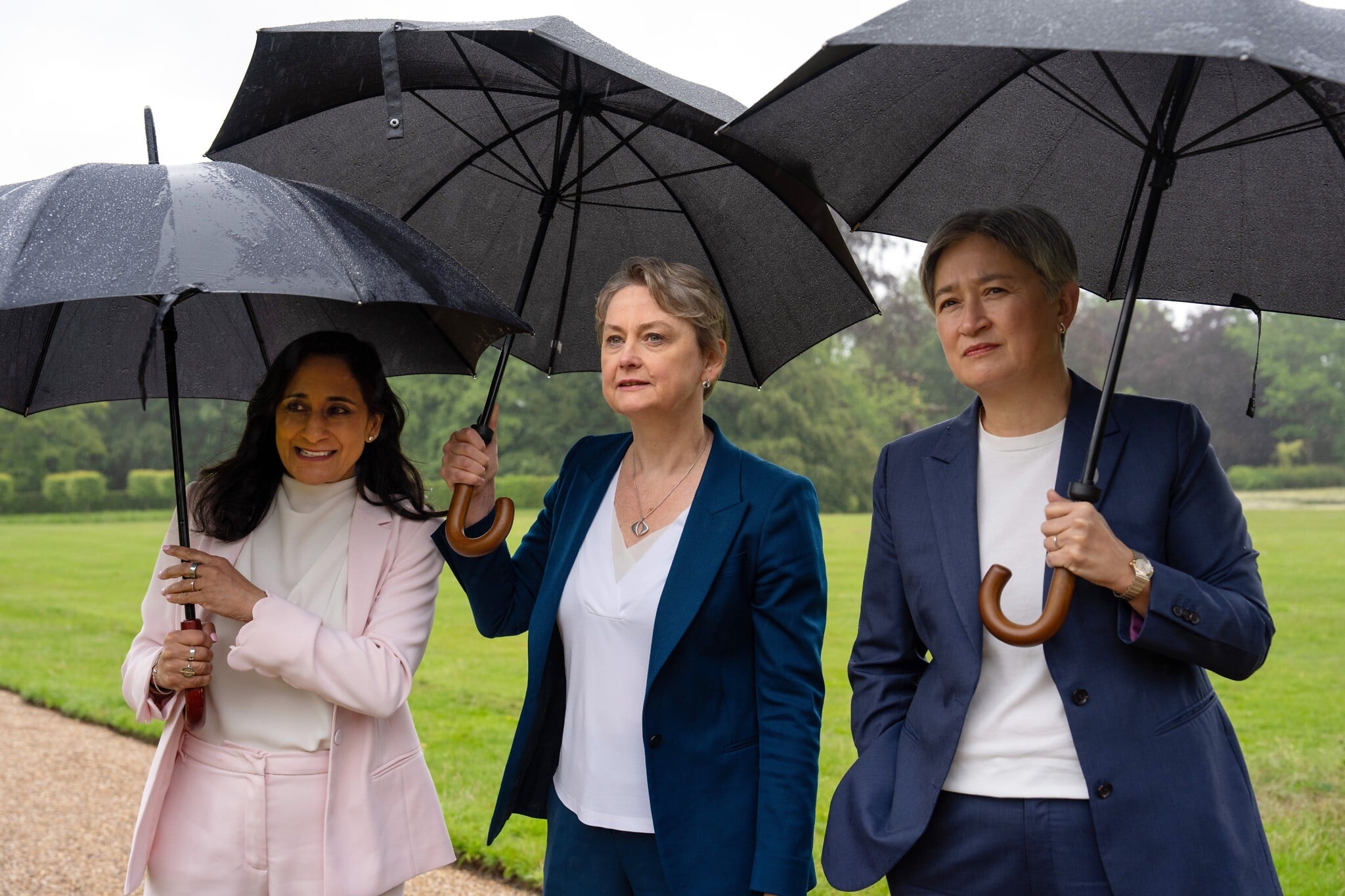
UK, Australia, Canada announce ‘International Peace Fund’ for Israelis and Palestinians
The United Kingdom, Australia, and Canada have established a $4 million International Peace Fund to support peace-building and reconciliation initiatives between Israelis and Palestinians. According to a joint statement released by the three governments, the fund targets grassroots efforts and organizations working to foster coexistence and reduce conflict in the region.
This coordinated financial commitment comes as part of a broader diplomatic effort by the three allies to support stability in the Middle East. The initiative focuses on funding projects that bring together Israelis and Palestinians to build trust and develop sustainable paths toward peace, according to reports from Reuters and Al Jazeera.
What is the International Peace Fund for Israelis and Palestinians?
The International Peace Fund is a multilateral financial vehicle created by the governments of Canada, Australia, and the United Kingdom. The primary objective, as stated in the joint statement hosted on canada.ca, is to provide resources to those working on the ground to bridge the divide between Israelis and Palestinians.
The fund is not designed as a large-scale humanitarian aid package for infrastructure or government services. Instead, it is a targeted investment in “people-to-people” diplomacy. According to CP24, the $4 million total is dedicated specifically to peace efforts, focusing on reconciliation and the promotion of non-violent conflict resolution.
Key objectives of the fund include:
- Supporting grassroots organizations that facilitate dialogue between opposing communities.
- Funding projects that promote mutual understanding and coexistence.
- Providing resources for initiatives that challenge narratives of hatred and violence.
- Empowering local leaders who are committed to a peaceful resolution of the conflict.
By focusing on the societal level rather than solely on high-level political negotiations, the three nations aim to cultivate a foundation of trust that could eventually support a formal political settlement.
How will the $4 million fund be distributed?
While the total amount is $4 million, the joint statement emphasizes that the funds will be directed toward specific, vetted projects that demonstrate a clear potential for impact. The distribution process is designed to ensure that the money reaches organizations that are actually operating within the contested regions and can prove their commitment to neutrality and peace.
According to the official documentation, the fund will prioritize projects that exhibit the following characteristics:
| Priority Criterion | Description |
|---|---|
| Bilateral Participation | Projects must involve both Israeli and Palestinian participants to ensure mutual engagement. |
| Grassroots Focus | Priority is given to community-led initiatives over large bureaucratic entities. |
| Sustainability | Funding is targeted at programs that can create long-term behavioral changes or institutional trust. |
| Conflict Sensitivity | Initiatives must operate without exacerbating existing tensions or fueling further violence. |
The management of the fund involves coordination between the foreign ministries of the three participating countries. This ensures that the allocation of resources aligns with the shared diplomatic goals of the UK, Australia, and Canada.
Why these three nations are collaborating on peace efforts
The partnership between the UK, Australia, and Canada is not coincidental. These three countries are often grouped as “middle powers”—nations that possess significant diplomatic influence and economic strength but typically avoid the unilateral hegemony associated with superpowers. According to analysis from The Times of Israel, this collaboration allows them to exert a collective influence that is greater than any of them could achieve alone.
There are several strategic reasons for this specific tripartite alliance:
Shared Diplomatic Values
All three nations maintain a stated commitment to a two-state solution and the adherence to international law. By pooling their resources into a single fund, they present a unified front, signaling to both the Israeli and Palestinian leadership that there is a consistent international expectation for peace and coexistence.
Risk Mitigation
Funding peace initiatives in a high-conflict zone carries political risks. By sharing the financial burden and the political ownership of the fund, no single country bears the full brunt of potential criticism if a funded project fails or becomes controversial. This “safety in numbers” approach allows them to be more adventurous in supporting grassroots movements that might be seen as too risky for a single government to back.
Leveraging Diverse Networks
Each of the three countries has different historical and diplomatic ties within the region. The UK maintains deep historical links; Canada is often viewed as a balanced mediator; Australia provides a perspective from the Indo-Pacific that emphasizes stability and international norms. Together, they can access a wider array of NGOs and local partners.
For more context on how these nations operate, you may find a related explainer on middle power diplomacy useful.
Comparing media coverage of the peace fund announcement
The announcement of the International Peace Fund was reported across a variety of global outlets, and the framing of the story varied depending on the source. While the core facts—the $4 million figure and the three participating countries—remained consistent, the narrative emphasis differed.
The Times of Israel focused heavily on the diplomatic signal sent by the three allies, framing the fund as a gesture of continued international support for a peaceful resolution despite the current volatility of the region.
Al Jazeera and CP24 highlighted the specific dollar amount, framing the $4 million as a concrete, albeit modest, financial commitment to the conflict. Al Jazeera, in particular, emphasized the “conflict” aspect, placing the fund within the context of the broader, ongoing struggle for Palestinian rights and Israeli security.
Reuters provided a more clinical, wire-service approach, focusing on the official joint statement and the mechanics of the fund’s launch. Their reporting prioritized the “who, what, and when” without adding significant political analysis.
This divergence in framing shows that while the fund is a factual entity, its perceived value ranges from a “symbolic gesture” to a “strategic diplomatic tool,” depending on the outlet’s perspective.
The role of middle powers in the Israel-Palestine conflict
The creation of this fund highlights a recurring theme in international relations: the use of “soft power” by middle powers to influence intractable conflicts. Unlike the United States, which often takes a leading role in high-level mediation and security guarantees, the UK, Canada, and Australia often focus on the social and humanitarian dimensions of peace.
Soft power, in this context, refers to the ability to influence others through attraction and persuasion rather than coercion or payment. By funding reconciliation projects, these countries are attempting to change the “hearts and minds” of the populations involved. The logic is that a political treaty signed by leaders is fragile if the populations on the ground still harbor deep-seated hatred for one another.
Historically, middle powers have used similar strategies in other conflicts, such as the Balkans or Southeast Asia, to support civil society when official government channels are blocked. In the Israeli-Palestinian context, this fund acts as a bridge, maintaining a thread of communication and cooperation even when formal diplomatic relations between the warring parties have collapsed.
Potential obstacles to the fund’s success
Despite the positive intent, the International Peace Fund faces significant hurdles that could impede its effectiveness. The most immediate challenge is the extreme volatility of the security situation on the ground. Peace-building projects are often the first casualties of a spike in violence; dialogue sessions are canceled, and joint ventures are suspended when tensions rise.
Other potential obstacles include:
- Political Opposition: Hardline elements on both sides may view “reconciliation” as a betrayal of their national or religious goals, potentially targeting the organizations that receive the funding.
- Scale vs. Need: While $4 million is a significant sum for grassroots NGOs, it is a small amount compared to the billions spent on military and security infrastructure in the region. Critics may argue the fund is a “drop in the bucket” that cannot possibly offset the scale of the conflict.
- Vetting and Neutrality: Ensuring that funds are not diverted to political factions or groups that do not adhere to the fund’s non-violence mandate requires rigorous oversight, which can be difficult in conflict zones.
To mitigate these risks, the joint statement suggests a focus on “verified” and “proven” partners, though the exact mechanism for this verification remains a point of internal administrative process for the three governments.
Frequently Asked Questions
What is the total amount of the International Peace Fund?
The total commitment from the UK, Australia, and Canada is $4 million. This sum is dedicated specifically to peace-building and reconciliation efforts between Israelis and Palestinians.
Who is eligible to receive funding from this initiative?
The fund targets grassroots organizations and projects that promote coexistence and reconciliation. According to the joint statement, priority is given to initiatives that involve both Israeli and Palestinian participants and demonstrate a commitment to non-violence.
Which countries are participating in the fund?
The fund is a joint venture between the United Kingdom, Australia, and Canada.
Is this fund intended for humanitarian aid or political negotiations?
No. The fund is specifically designed for “people-to-people” peace efforts and reconciliation. It is distinct from general humanitarian aid (such as food or medical supplies) and is not a fund for high-level political treaty negotiations.
Why are these three countries working together?
The UK, Australia, and Canada share similar diplomatic goals regarding a two-state solution and international law. By collaborating, they can pool their resources and provide a unified international signal of support for peace, while sharing the political risks associated with funding projects in a conflict zone.
The success of the International Peace Fund will likely be measured not by the number of projects it completes, but by whether it can maintain a viable space for dialogue during periods of intense conflict. As the three nations move forward with the distribution of the $4 million, the international community will be watching to see if these grassroots investments can translate into a more stable environment for future political diplomacy.
