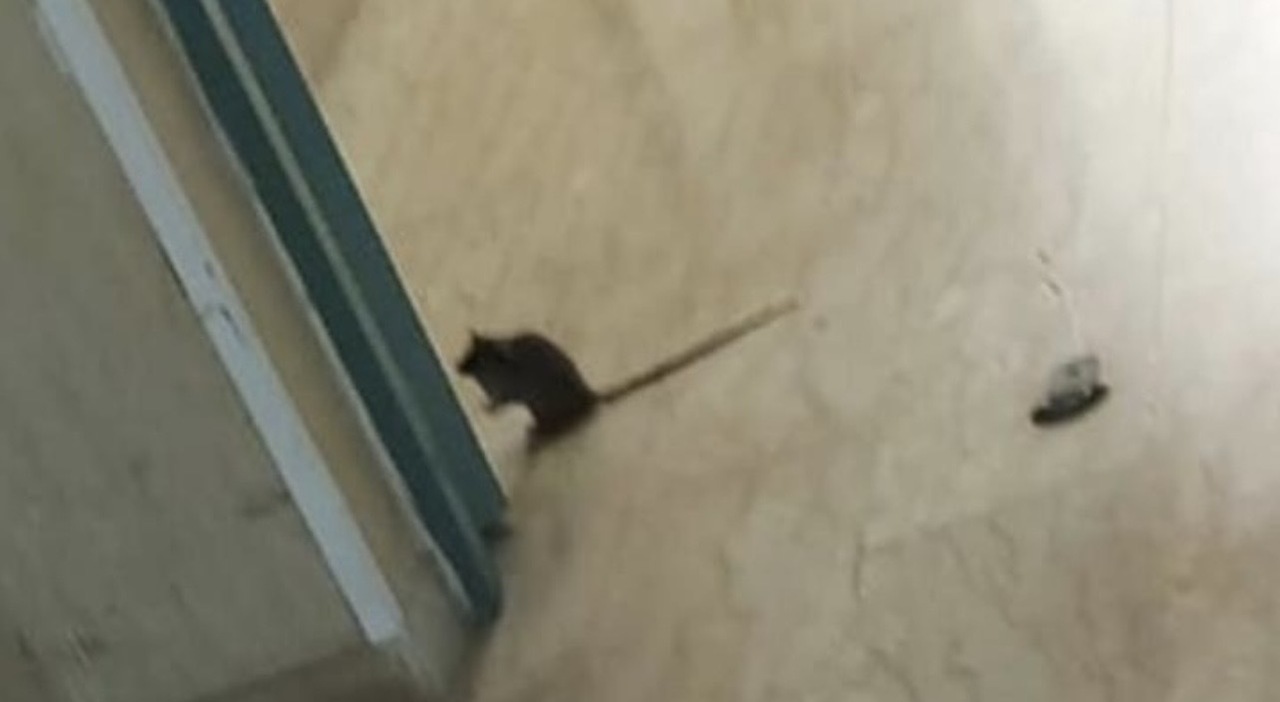
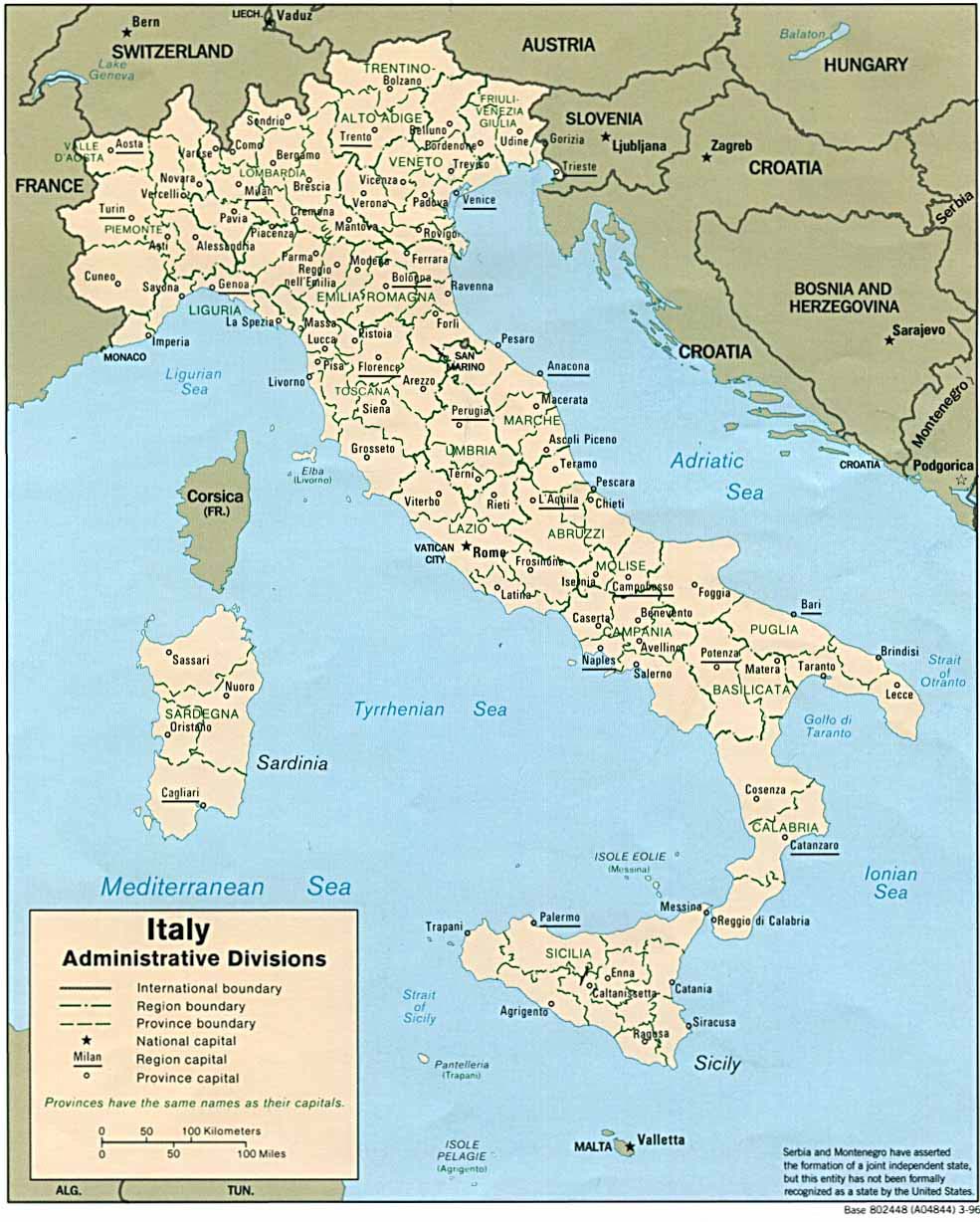
Health officials in Torre del Greco, a city in southern Italy, have issued an alert following the discovery of rodents in the corridors of the Maresca Hospital, raising concerns about a potential Hantavirus outbreak. The situation has prompted immediate action from local public health authorities to assess the risk and implement preventive measures.
Outbreak Context and Symptoms
Hantavirus is a group of viruses spread primarily by rodents, with symptoms ranging from mild flu-like illness to severe respiratory distress. The virus can lead to hantavirus pulmonary syndrome (HPS), a life-threatening condition characterized by fever, muscle aches, and shortness of breath. While the specific strain involved in the Torre del Greco case has not been confirmed, the presence of rodents in a healthcare facility has escalated concerns about potential exposure.
Response from Local Authorities
Public health officials have launched an investigation to determine the extent of rodent activity within the hospital and evaluate the risk of human transmission. Measures include enhanced cleaning protocols, rodent control efforts, and screenings for staff and patients who may have been exposed. Authorities are also advising the community to report any signs of rodent infestation in residential or public areas.
Historical Precedents and Risk Factors
While Hantavirus outbreaks are relatively rare in Italy, the virus has been documented in other parts of Europe and the Americas. The risk is typically higher in rural or semi-rural areas where human-rodent interactions are more frequent. The Maresca Hospital’s location in a densely populated urban area complicates containment efforts, as proximity to residential zones increases the likelihood of rodent movement.
What’s Next?
Health officials plan to conduct environmental assessments of the hospital and surrounding areas to identify and eliminate rodent habitats. They are coordinating with regional health agencies to monitor for new cases and provide guidance to healthcare workers. The situation remains under close surveillance, with updates expected as the investigation progresses.
