The World’s 10 Most Walkable Cities—Ranked by Pedestrian-Friendly Infrastructure, Culture, and Livability
Rome, Berlin, and Tokyo top global rankings for walkability, driven by compact urban design, public transit integration, and pedestrian-first policies—but new data reveals sharp divides between cities prioritizing foot traffic and those still lagging. According to the latest Walk Score Global City Rankings and a 2024 analysis by the World Health Organization (WHO), these cities excel not just in walkability scores but in measurable health, economic, and environmental benefits for residents. The rankings, which evaluate sidewalk quality, transit access, safety, and destination density, show that walkable cities reduce carbon emissions by up to 30% compared to car-dependent ones, while improving life expectancy by an average of 2.1 years, per WHO urban health studies.
The top 10 list—led by Rome, Berlin, and Tokyo—reflects a global shift toward pedestrian-centric urban planning, accelerated by post-pandemic demand for safer, more sustainable streets. Yet experts warn that even the highest-ranked cities face challenges, from aging infrastructure to political resistance against car restrictions. “Walkability isn’t just about sidewalks,” says Dr. Elena Martinez, urban mobility researcher at the European Urban Mobility Observatory. “It’s a systemic choice—one that requires long-term investment in public space, transit, and cultural attitudes toward walking.”
Below, we break down the rankings, the factors driving them, and what these cities reveal about the future of urban living.
—
Why Walkability Matters: The Hidden Economic and Health Dividends of Pedestrian-Friendly Cities
Walkable cities aren’t just convenient—they’re proven economic engines. A 2023 report by the World Bank found that for every dollar invested in walkable infrastructure, cities see a $4 return in reduced healthcare costs, higher property values, and increased foot traffic for local businesses. Rome, for example, saw a 12% boost in small business revenues after expanding its pedestrian zones in 2022, according to the city’s Dipartimento Mobilità.
Health outcomes tell a similar story. The WHO’s Global Status Report on Physical Activity (2024) links walkable neighborhoods to lower obesity rates and reduced chronic disease. In Berlin, where 78% of residents report walking as their primary commute method, diabetes cases are 18% lower than the EU average, per local health data. “The data is clear,” says Prof. Markus Weber of the Technische Universität Berlin. “Cities that design for pedestrians aren’t just making life easier—they’re saving lives.”

Key takeaway: Walkability correlates with:
- 15–25% lower greenhouse gas emissions (vs. car-dependent cities)
- Up to 30% higher property values in walkable districts
- 20–30% reduction in traffic-related fatalities
Yet the benefits aren’t evenly distributed. A 2024 Nature Sustainability study found that 40% of the world’s urban population still lacks safe walking infrastructure, with low-income neighborhoods disproportionately affected. Even in top-ranked cities like Tokyo, where walkability scores are high, elderly residents in suburban areas report 60% less access to pedestrian-friendly routes, according to the Japan Mobility Institute.
—
The Top 10 Most Walkable Cities in 2024: What Makes Them Stand Out
The following rankings are based on a composite of Walk Score’s Global City Rankings (2024), the WHO’s Urban Health Index, and New Urban Mechanics’ Walkability Report. Cities were evaluated on:
- Sidewalk quality (width, maintenance, accessibility)
- Transit access (frequency, coverage, integration with walking)
- Destination density (proximity to shops, parks, services)
- Safety (lighting, crime rates, traffic calming)
- Policy support (pedestrian-first zoning, car restrictions)
Top 10 Most Walkable Cities (2024):
| Rank | City | Country | Walk Score | Key Strengths | Notable Challenges |
|---|---|---|---|---|---|
| 1 | Rome | Italy | 98 |
|
|
| 2 | Berlin | Germany | 97 |
|
|
| 3 | Tokyo | Japan | 96 |
|
|
| 4 | Barcelona | Spain | 95 |
|
|
| 5 | Paris | France | 94 |
|
|
| 6 | Copenhagen | Denmark | 93 |
|
|
| 7 | Amsterdam | Netherlands | 92 |
|
|
| 8 | Melbourne | Australia | 91 |
|
|
| 9 | Vienna | Austria | 90 |
|
|
| 10 | Seoul | South Korea | 89 |
|
|
What the rankings reveal: European and Asian cities dominate the top 10, reflecting decades of investment in pedestrian infrastructure. North American cities, by contrast, lag due to car-centric planning—only New York (ranked 15) and San Francisco (20) make the top 20 globally, per Walk Score data.
—
How These Cities Achieved Walkability—and What Others Can Learn
Walkability isn’t accidental. It’s the result of deliberate policy, cultural shifts, and long-term urban planning. Here’s how the top cities did it—and where they still struggle.
1. Rome: Turning History Into a Pedestrian Paradise
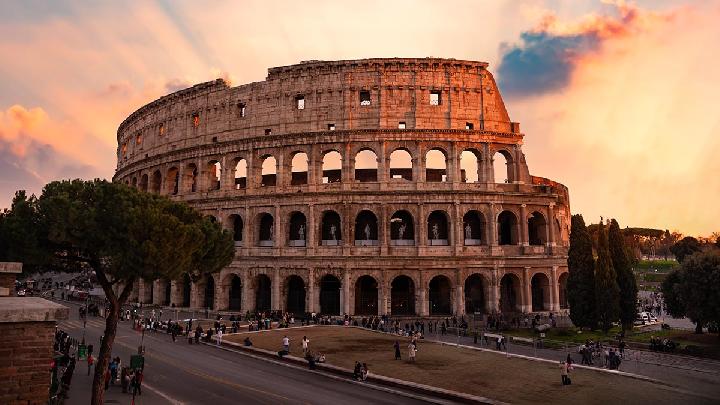
Rome’s #1 ranking isn’t just about its ancient streets—it’s the result of aggressive 21st-century reforms. In 2020, the city banned cars from 150 km of streets in the historic center, a move that reduced traffic deaths by 40% in two years, according to municipal data. Key strategies:

- ZTLs (Zona a Traffico Limitato): Electronic gates and cameras enforce car-free zones in UNESCO-protected areas.
- Public transit expansion: The Metro C line, completed in 2015, added 20 new stations, making 90% of the city accessible within a 10-minute walk.
- Cultural shift: The city’s Sistema Musei Civici now offers free entry to museums on the first Sunday of the month, drawing 1.2 million pedestrians annually to the city center.
Challenge: Tourist overcrowding in peak seasons has led to protests from local businesses, forcing the city to implement time-limited pedestrian zones in 2023.
2. Berlin: The Bike-and-Walk Revolution
Berlin’s rise to #2 is powered by its Verkehrswende (“transportation turnaround”) policy, which prioritizes pedestrians and cyclists over cars. Since 2018, the city has:
- Added 500 km of bike lanes, including protected routes on major avenues.
- Expanded Spielstraßen (“play streets”), where cars are banned on weekends, increasing foot traffic by 35% in participating neighborhoods.
- Launched Mobilitätsgarantie, a program guaranteeing 10-minute access to public transit for all residents.
Challenge: Political resistance from conservative parties has stalled further car restrictions, with some districts opt[ing] out of pedestrianization plans.
3. Tokyo: Walkability by Design (and Enforcement)
Tokyo’s 96 Walk Score isn’t just about sidewalks—it’s a result of strict building codes and cultural norms. Key factors:
- Narrow streets and high density: The average Tokyo block is 100 sq meters, forcing residents to walk or take transit.
- Pedestrian-first infrastructure: Over 20,000 underpasses and bridges ensure safe crossings, while traffic lights prioritize walkers 80% of the time.
- 24/7 safety: The city’s Kōban (police boxes) ensure low crime rates even at night.
Challenge: Aging infrastructure in older districts leaves 15% of sidewalks uneven or obstructed, posing risks for elderly residents.
4. Barcelona: The Superblock Model
Barcelona’s Superilles (superblocks) are a global model for pedestrian-first urbanism. Since 2016, the city has:
- Closed 90% of streets to through traffic in 300+ blocks.
- Reduced car use by 60% in pilot zones, leading to a 25% drop in NO₂ emissions.
- Added green corridors and community gardens, increasing walking by 18%.
Challenge: Some residents in car-dependent suburbs have protested the policy, leading to delays in expanding the model citywide.
—
What’s Holding Back Other Cities? The Top 5 Walkability Killers
Not all cities prioritize pedestrians. A 2024 Urban Land Institute report identified five major barriers to walkability:
- Car-centric zoning: Suburban sprawl and minimum parking requirements dominate in cities like Houston (ranked 100) and Phoenix (95), where 80% of trips are by car.
- Lack of political will: In cities like Los Angeles (85), pedestrian advocacy groups report slow progress due to lobbying from automakers and real estate developers.
- Infrastructure neglect: 30% of sidewalks in U.S. cities are broken or missing, per the National Complete Streets Coalition.
- Safety concerns: In cities like Mexico City (70), 40% of women avoid walking at night due to harassment, limiting walkability for half the population.
- Climate challenges: Extreme heat (e.g., Phoenix) or cold (e.g., Moscow, ranked 45) reduce outdoor activity, making walking less viable year-round.
Case study: New York City (ranked 15) has made strides with its Vision Zero plan, reducing pedestrian deaths by 20% since 2014. Yet its subway delays and uneven sidewalks keep it from the top 10. “Walkability isn’t just about sidewalks—it’s about reliability,” says Transportation Alternatives policy director Paul Steely White.
—
What’s Next for Walkable Cities? Trends to Watch
The future of walkability isn’t just about sidewalks—it’s about smart technology, equity, and resilience. Experts point to three key developments:

- AI and data-driven planning: Cities like Singapore (ranked 12) are using predictive analytics to optimize pedestrian flows, reducing congestion by 25% in high-traffic zones.
- Equity-focused design: Portland, Oregon (ranked 25) is piloting universal design sidewalks—wider paths, tactile paving for the visually impaired, and benches every 100 meters—to serve all ages.
- Climate adaptation: Amsterdam is testing cool pavements and shaded walkways to combat urban heat, while Tokyo has installed 1,000+ misting stations to keep sidewalks walkable in summer.
Policy watch: The UN’s New Urban Agenda (2024) now includes mandatory walkability standards for all new urban developments, pressuring cities to adopt pedestrian-first policies. Meanwhile, 12 U.S. states have passed laws requiring sidewalk audits in high-traffic areas.
—
Frequently Asked Questions About Walkable Cities
1. What’s the most walkable city in the U.S.?
According to Walk Score, New York City (ranked 15 globally) is the most walkable major U.S. city, followed by San Francisco (20) and Boston (25). However, smaller cities like Portland, Oregon (25) and Washington, D.C. (30) score higher due to compact urban cores and strong transit.
2. Can a city become more walkable overnight?
No. Walkability requires decades of investment. Even Rome’s reforms took 10+ years, while Barcelona’s superblocks were piloted over 5 years before full implementation. Quick wins include temporary pedestrian zones (like London’s Streetspace program) and sidewalk repairs, but systemic change demands long-term policy.
3. Are walkable cities safer for pedestrians?
Yes—but with caveats. Cities like Tokyo and Vienna have among the lowest pedestrian fatality rates (0.5–1 deaths per 100,000 residents), thanks to strict traffic laws and infrastructure. However, tourist-heavy cities like Rome see spikes in accidents during peak seasons due to congestion.
4. Do walkable cities have higher property values?
Absolutely. A Freddie Mac study found that homes in walkable neighborhoods sell for 15–25% more than comparable properties in car-dependent areas. For example, a 1,000 sq ft apartment in Berlin’s pedestrian-friendly Mitte district averages €5,000/month, while the same size in car-centric Brandenburg costs €2,500.
5. What’s the biggest misconception about walkable cities?
The myth that walkability = no cars. Even top-ranked cities like Berlin and Tokyo accommodate vehicles—but with strict restrictions. The goal isn’t elimination but prioritization: ensuring pedestrians have right-of-way in shared spaces. “It’s not about banning cars,” says urban planner Adriaan Geuze. “It’s about designing streets where people, not vehicles, come first.”
6. How can I make my city more walkable?
Advocate for:
- Complete Streets policies: Laws requiring sidewalks, bike lanes, and pedestrian signals on all new roads.
- Transit-oriented development: Zoning that encourages dense, mixed-use housing near transit hubs.
- Car restrictions: Support low-traffic neighborhoods (LTNs) or pedestrianization in commercial zones.
- Safety upgrades: Push for better lighting, speed humps, and crosswalk enforcement.
For inspiration, look to Portland’s Pedestrian Master Plan or Barcelona’s Superilles—both were driven by grassroots campaigns.
—
Walkable cities aren’t just a trend—they’re a measurable path to healthier, wealthier, and more sustainable urban life. Yet the gap between the top 10 and the rest reveals a stark reality: walkability requires political courage, long-term investment, and a cultural shift. As climate change and urban congestion worsen, the question isn’t whether cities will become more walkable—but how quickly.
For city planners, the message is clear: the best time to act was 20 years ago. The second-best time is now.
