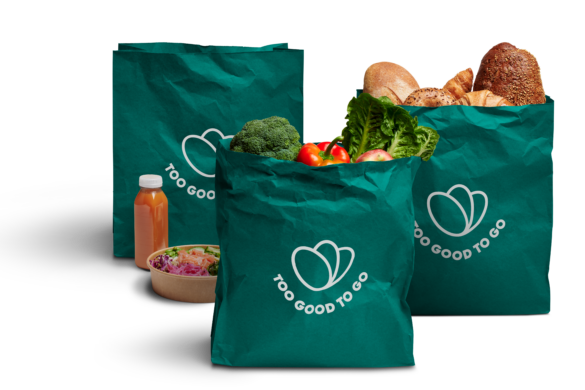
Too Good To Go, the Danish app that helps users purchase surplus food from restaurants and stores, has expanded its platform to include a donation feature, marking a significant shift in its approach to combating food waste. The initiative allows users to contribute unsold food directly to local charities, aligning the company’s mission with broader social impact goals.
How the Donation Feature Works
The new functionality, integrated into the app’s existing framework, enables users to select surplus food items for donation rather than purchase. Retailers and restaurants can now flag items eligible for donation, which are then made available to users who choose to contribute the goods to designated nonprofits. This move aims to streamline the process of redirecting food that would otherwise be discarded.
Economic and Social Implications
The expansion underscores the growing intersection of sustainability and corporate responsibility in the food industry. By leveraging its existing network of partners, Too Good To Go positions itself as a bridge between surplus food producers and communities in need. Analysts note that such initiatives could reduce operational costs for businesses while addressing food insecurity, a dual benefit that aligns with global efforts to achieve the United Nations’ Sustainable Development Goals.
Industry Context and Competition
Too Good To Go’s entry into the donation space comes as other startups and established players increasingly focus on food waste reduction. The company’s unique value proposition lies in its user-friendly interface and established trust among consumers. However, challenges remain in scaling the donation model, particularly in regions with limited nonprofit infrastructure or regulatory hurdles.
What’s Next?
The company has indicated plans to pilot the donation feature in additional markets within the next 12 months. Further details on partner organizations and logistical frameworks are expected to be revealed in the coming weeks. For now, the initiative serves as a case study in how technology-driven solutions can adapt to address both environmental and social challenges.
