
Crystal Dynamics using generative AI for early prototyping, but “finished content is human-created” – GamesIndustry.biz
Crystal Dynamics is integrating generative AI into the early prototyping phases of Tomb Raider: Legacy of Atlantis to accelerate conceptual development. While AI tools assist in initial iterations, the studio maintains that all finished game content is human-created, a commitment reinforced by an official AI disclaimer accompanying the title.
How Crystal Dynamics is Integrating Generative AI into Development
The approach taken by Crystal Dynamics represents a calculated middle ground in the ongoing industry debate over artificial intelligence. According to reporting from GamesIndustry.biz, the studio is utilizing generative AI specifically for early prototyping. This means the technology is used to quickly visualize ideas, test layouts, or iterate on concepts before they are passed to human artists and designers for actual production.
The distinction between “prototyping” and “finished content” is the cornerstone of the studio’s strategy. By restricting AI to the pre-production and conceptual stages, the developers aim to maintain the creative integrity and artisanal quality of the final product. The studio is explicit: the assets players interact with in the final version of Tomb Raider: Legacy of Atlantis are the result of human labor, not algorithmic generation.
This strategy addresses several key industry concerns:
- Creative Control: Humans retain the final say on aesthetics and narrative beats.
- Quality Assurance: Avoiding the “uncanny valley” or glitches often associated with purely AI-generated assets.
- Ethical Sourcing: Reducing the reliance on AI for final assets helps mitigate concerns regarding artist displacement.
The AI Disclaimer in Tomb Raider: Legacy of Atlantis
Transparency has become a primary focal point for the release of Tomb Raider: Legacy of Atlantis. As reported by Eurogamer, the game arrives with a specific AI disclaimer. This move signals a shift toward greater disclosure in the AAA gaming space, where the use of AI has often remained obscured within internal development pipelines.
The presence of this disclaimer serves as a public acknowledgement of the tools used during the game’s creation. It provides a layer of accountability, informing the player base that while AI played a role in the process, it did not replace the human craftsmanship of the final experience. This level of transparency is increasingly rare and suggests that Crystal Dynamics is attempting to get ahead of potential community backlash regarding the “automation” of art.
“This isn’t a remake. A remake rebuilds what already exists.”
This statement from the Game Director, as highlighted by GamesRadar+, underscores a broader philosophy for the project. The game is not merely a technical update of old assets but a new exploration of what the classic iteration of Lara Croft can achieve using modern technology.
Defining the Scope: Why This Is Not a Remake
There has been significant discussion regarding whether Tomb Raider: Legacy of Atlantis fits the mold of a traditional remake. The Game Director has been clear: the project does not fall into that category. In an interview with GamesRadar+, the Director explained that a remake focuses on rebuilding existing content. In contrast, Legacy of Atlantis is designed to showcase the classic version of Lara Croft within a modern era of gaming.
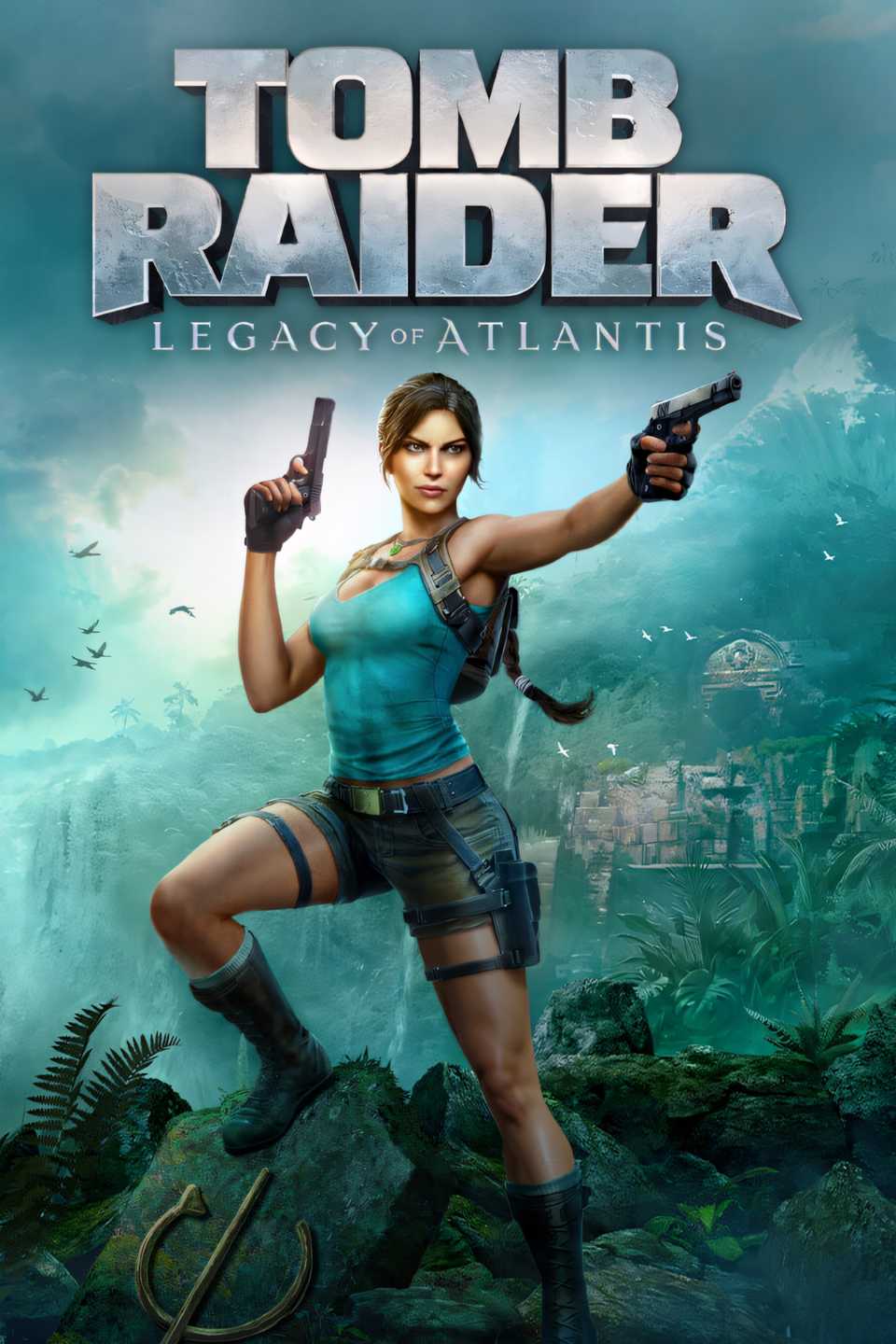
This distinction is vital for understanding the game’s development goals. Instead of a one-to-one recreation of past levels, the team is leveraging modern engines and tools—including the aforementioned AI prototyping—to create a fresh experience that honors the original character’s essence while pushing technical boundaries.
| Feature | Traditional Remake | Legacy of Atlantis Approach |
|---|---|---|
| Core Goal | Rebuild existing content | Modernize classic character/era |
| Asset Origin | Updated versions of old assets | New content inspired by classic roots |
| AI Implementation | Varies by studio | Early prototyping only; human-finished |
Amazon’s Role in Embracing AI Integration
The adoption of these tools is not happening in a vacuum. Polygon has reported that Amazon, which holds a significant stake in the ecosystem surrounding the project, has explained the reasoning behind embracing AI. The corporate perspective focuses on efficiency and the ability to iterate faster in a highly competitive market.
For a company like Amazon, the “embrace” of AI is likely tied to the scalability of development. By using generative AI to handle the “heavy lifting” of early brainstorming and rough prototyping, the studio can explore more creative avenues in less time. This allows the human developers to focus their energy on the high-value work of polishing, directing, and finalizing content, rather than spending weeks on discarded early concepts.
This partnership highlights a growing trend where parent companies or major publishers provide the infrastructure and mandate for AI adoption, while the creative studios define the boundaries of how those tools are actually applied to the art.
Behind the Scenes: The Developer Perspective
To provide further insight into these processes, a behind-the-scenes developer video was released, as noted by TombRaiderChronicles. This footage offers a glimpse into the actual workflow of the team, bridging the gap between the corporate statements about AI and the reality of game production.
The video demonstrates how the “classic Lara Croft” is being translated into a modern environment. This involves a complex mix of legacy design philosophies and cutting-edge technical execution. While the video focuses on the results, the context provided by other reports suggests that the “rough drafts” seen in early development may have been where the generative AI tools were most active.
Key takeaways from the development cycle include:
- Character Fidelity: A focus on maintaining the identity of the classic Lara Croft while utilizing modern animations and lighting.
- Iterative Design: Using rapid prototyping to determine which “classic” elements translate best to modern gameplay.
- Human Oversight: A rigorous pipeline where AI-assisted concepts are vetted and manually rebuilt by artists.
Industry Implications of the “Prototyping Only” Model
The decision by Crystal Dynamics to limit AI to prototyping is a significant case study for the wider gaming industry. Many studios are currently struggling with the tension between the efficiency of AI and the demand for human-led creativity. By creating a hard line—AI for prototypes, humans for finished content—Crystal Dynamics is proposing a sustainable framework for AI integration.
This model addresses the “Information Gain” regarding how AAA studios can evolve without completely abandoning their workforce. If AI is used as a “sketchpad” rather than a “painter,” the role of the artist shifts from manual labor to a more directorial role. The artist becomes the curator and the refiner, ensuring that the final product possesses the nuance and intentionality that AI currently lacks.
However, this approach also raises questions about the future of entry-level positions. Traditionally, “rough prototyping” and “concept sketching” were roles filled by junior artists. If these tasks are increasingly handled by generative AI, the industry may need to rethink how new talent is trained and integrated into the production pipeline.
For more on how this fits into the broader tech landscape, you may find a related explainer on generative AI in creative industries useful.
Common Misconceptions About AI in Legacy of Atlantis
Given the headlines, several misconceptions have emerged regarding the use of AI in this project. It is important to clarify these based on the available reports.
Misconception 1: The game is “AI-generated.”
This is incorrect. As reported by GamesIndustry.biz, the finished content is human-created. AI is used for early-stage prototyping, not for the final assets players see and interact with.
Misconception 2: It is a remake of an older Tomb Raider title.
The Game Director explicitly denied this via GamesRadar+, stating that remakes rebuild what already exists, whereas this project is a different endeavor focused on the classic character in a modern era.
Misconception 3: AI is being used secretly.
On the contrary, the game includes an AI disclaimer, as reported by Eurogamer, making the studio’s use of the technology a matter of public record.
Frequently Asked Questions
Is Tomb Raider: Legacy of Atlantis a remake?
No. The Game Director has stated that it is not a remake, as remakes rebuild existing content. Instead, the project focuses on bringing the classic version of Lara Croft into the modern gaming era.

How exactly is generative AI used in the game’s development?
According to GamesIndustry.biz, generative AI is used for early prototyping. This allows the team to iterate on concepts and ideas quickly before human artists create the final, finished content.
Does the game have a disclaimer about AI?
Yes, Eurogamer reports that Tomb Raider: Legacy of Atlantis comes with an AI disclaimer to provide transparency regarding the tools used during development.
Who is supporting the use of AI in this project?
Amazon has explained the reasons for embracing AI in the development of the new Tomb Raider game, focusing on the benefits of efficiency and rapid iteration.
Are the final characters and environments AI-generated?
No. Crystal Dynamics has emphasized that while AI is used in the prototyping phase, all finished content is human-created.
