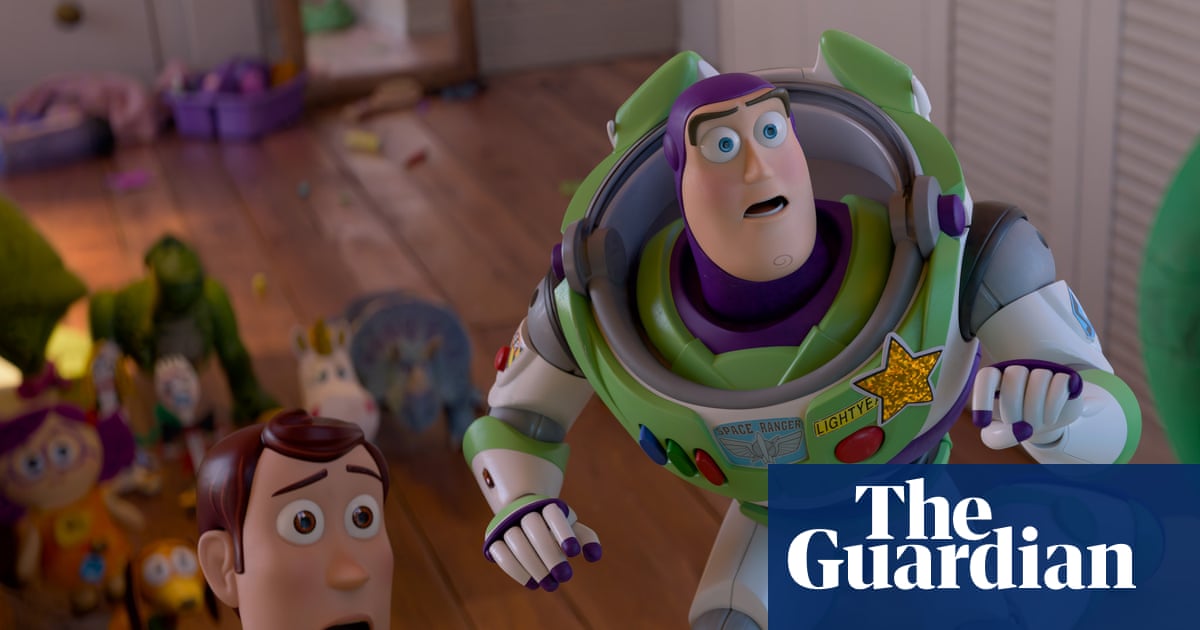
Tim Allen and Tom Hanks Compare Toy Story 5 to Dostoevsky Amid Tech Peril Themes
Actors Tom Hanks and Tim Allen describe the upcoming Toy Story 5 as “honest art” comparable to the works of Fyodor Dostoevsky, according to reporting from The Guardian. The sequel examines the tension between traditional physical toys and the encroachment of modern technology, with early reactions from Variety labeling the film as “deeply profound” and “moving.”
Why is Toy Story 5 being described as “honest art”?
The comparison to Dostoevsky—a novelist known for exploring the deepest psychological and existential struggles of the human condition—suggests that Pixar is moving beyond simple childhood nostalgia. According to The Guardian, Tim Allen and Tom Hanks view the narrative of Toy Story 5 as a serious exploration of identity and relevance in a changing world. This “honest art” approach indicates a shift toward themes of existential obsolescence.
The actors suggest the film does not shy away from the pain of being replaced. While previous installments dealt with the fear of being superseded by a newer model of the same toy, this iteration tackles a broader systemic shift. The dialogue between the lead actors reveals a belief that the film captures a universal truth about the struggle to remain meaningful when the environment around you has fundamentally changed.
“This is honest art. Like Dostoevsky,” the actors noted in discussions regarding the film’s emotional weight and thematic depth, as reported by The Guardian.
By framing the story in this light, the production aims to bridge the gap between a children’s movie and a sophisticated commentary on the human experience. The “honesty” refers to the film’s willingness to address the “peril” of the digital age without offering easy, sanitized answers.
What is the “tech peril” and “joy of rusty nails” theme?
At the center of Toy Story 5 is a conflict described as “tech peril.” According to The Guardian, this refers to the existential threat posed by screens, tablets, and digital entertainment to the traditional physical toy. The film explores the “joy of rusty nails”—a metaphor for the tactile, imperfect, and tangible nature of physical objects compared to the sterile perfection of a digital interface.
This thematic pivot reflects a real-world shift in childhood development and play patterns. The “peril” is not just that toys are forgotten, but that the very nature of imaginative play is being restructured by algorithms and touchscreens. The film posits that there is a unique, irreplaceable value in the “rust”—the wear and tear that signifies a toy has been loved and used.
Tactile vs. Digital: The Core Conflict
The narrative focuses on the contrast between the physical world and the virtual one. While a digital game can be updated or reset, a physical toy carries the permanent scars of its history. This distinction is what the actors refer to when discussing the “joy” of physical imperfection.
- Physicality: Represented by the “rusty nails” and worn plastic; signifies memory, history, and tangible affection.
- Digitality: Represented by “tech peril”; signifies efficiency, distraction, and the ephemeral nature of software.
- The Tension: The struggle for toys to find a purpose in a home where the primary source of entertainment is a screen.
This conflict mirrors a wider cultural debate regarding the “iPad kid” phenomenon and the decline of unstructured, physical play. By centering the plot on this struggle, Pixar is positioning Woody and Buzz as symbols of a disappearing era of childhood.
How do early reactions from critics compare to the original film?
Early feedback for Toy Story 5 suggests it may avoid the “sequel slump” that often affects long-running franchises. Variety reports that first reactions have praised the film as “deeply profound” and “moving.” Most notably, some early viewers claim the sequel “ranks right alongside” the original 1995 film in terms of quality and emotional impact.
This is a significant claim given that the first Toy Story revolutionized the industry as the first fully computer-animated feature. To be compared to the original implies that the fifth film captures the same lightning-in-a-bottle mixture of humor and heartache that defined the franchise’s inception.
| Metric | Toy Story (1995) | Toy Story 5 (Early Reactions) |
|---|---|---|
| Primary Conflict | New Toy vs. Old Toy (Buzz vs. Woody) | Physical Toy vs. Digital Tech |
| Emotional Tone | Jealousy and Friendship | Existentialism and Relevance |
| Critical Standing | Industry-defining innovation | Reported as “deeply profound” and “moving” |
| Core Theme | Belonging and Loyalty | Tactile Joy vs. Tech Peril |
The contrast in framing is evident. While the original was a story about the internal hierarchy of a toy box, the fifth is described as a story about the toy box’s place in a digital world. This expansion of scope allows the film to appeal to adults who have experienced the transition from analog to digital childhoods.
What are the confirmed plot and cast details for the sequel?
According to official information from Disney+, Toy Story 5 will see the return of the core cast, including Tom Hanks as Woody and Tim Allen as Buzz Lightyear. While specific plot beats remain closely guarded, the overarching narrative revolves around the toys facing a new challenge that threatens their way of life: the dominance of electronic devices.
The film aims to explore how toys can maintain their value when children are more attracted to tablets than action figures. This plot direction necessitates a reunion of characters who may have drifted apart or found new purposes in the previous films. The return of the original voice cast is a critical component of the film’s emotional anchor, ensuring that the transition to these heavier themes feels earned.
Key Production Details
- Lead Cast: Tom Hanks (Woody), Tim Allen (Buzz Lightyear).
- Studio: Pixar Animation Studios.
- Distribution: Disney+.
- Central Plot Point: The struggle for physical toys to compete with digital entertainment.
The involvement of Disney+ in the promotional rollout indicates a strategy to leverage the platform’s data to target both nostalgic adults and a new generation of viewers. The trailers and plot details emphasize a return to the “heart” of the series, focusing on the bonds between the toys as they face an invisible, digital enemy.

How does Toy Story 5 fit into the wider Pixar legacy?
The evolution of the Toy Story series reflects the evolution of Pixar itself. The first film was a technical showcase; the second and third explored the nature of ownership and the pain of growing up; the fourth dealt with independence and finding a new calling. Toy Story 5 appears to be an attempt at a cultural critique.
By addressing “tech peril,” Pixar is commenting on the very industry it helped build. The move toward digital consumption—including the shift from cinema to streaming—is a reality that affects the studio’s own business model. There is a meta-layer to the story: a digital movie about the danger of digital obsession.
The cultural endurance of the franchise is further highlighted by real-world anecdotes. For example, Yahoo reported a recent instance where pop star Taylor Swift had Tom Hanks sign a Toy Story VHS tape. This interaction underscores the multi-generational appeal of the property and the nostalgia for physical media (like VHS tapes), which aligns perfectly with the film’s theme of the “joy of rusty nails.”
The franchise’s ability to stay relevant depends on its willingness to evolve. Moving from a story about “who is the favorite toy” to “do toys still matter” shows a maturity in storytelling that aligns with the “Dostoevsky” comparison. It transforms the characters from simple playthings into avatars for anyone who has ever felt outdated by progress.
The Cycle of Toy Story Themes
The series has consistently used toys to mirror human anxieties:
- Toy Story 1: Fear of replacement and the need for validation.
- Toy Story 2: The conflict between immortality (being a collectible) and a meaningful, used life.
- Toy Story 3: The inevitability of abandonment and the process of letting go.
- Toy Story 4: The search for purpose outside of a traditional role.
- Toy Story 5: The struggle for existence in a post-physical world.
This progression suggests that Pixar is using the franchise to document the changing nature of childhood over three decades. The transition from the 1995 focus on “new vs. old” to the 2020s focus on “physical vs. digital” provides a historical record of how children interact with their environment.
Common Misconceptions About the Sequel
One common misconception is that Toy Story 5 is a simple “cash grab” that ignores the ending of the previous films. However, the descriptions from Variety and the thematic depth discussed by Hanks and Allen suggest a concerted effort to provide a meaningful reason for the characters to return. The “tech peril” angle provides a stakes-driven motivation that transcends simple nostalgia.
Another misunderstanding is that the film will be an anti-technology polemic. Based on the “honest art” description, it is more likely a nuanced exploration of balance. The film does not necessarily argue that technology is evil, but rather that the loss of tactile, physical experience—the “rusty nails”—is a loss of a specific kind of human connection.
Finally, some viewers assume the Dostoevsky comparison is hyperbole. While it is unlikely to be a grim Russian novel, the intent is to signal a shift in emotional intelligence. Pixar is signaling that it is targeting the “inner child” and the “adult child” simultaneously, using the toys to discuss the grief of obsolescence.
Frequently Asked Questions
When is the release date for Toy Story 5?
Specific release dates are managed through Disney+ and official Disney channels. Users are encouraged to check the Disney+ “Explore” section for the most current scheduling and trailer updates.
Will Woody and Buzz both be in Toy Story 5?
Yes. According to Disney+ and reporting from The Guardian, both Tom Hanks and Tim Allen are returning to voice their respective iconic characters, Woody and Buzz Lightyear.

What is the main plot of Toy Story 5?
The film focuses on the conflict between traditional physical toys and the “peril” of modern technology, exploring how toys maintain their relevance in an era of screens and digital entertainment.
Why did the actors compare the movie to Dostoevsky?
Tim Allen and Tom Hanks used the comparison to highlight the film’s “honest” and “profound” exploration of existential themes, such as the fear of being replaced and the value of imperfection.
How has the critical reception been so far?
Early reactions cited by Variety describe the film as “deeply profound” and “moving,” with some claiming it ranks alongside the original 1995 film in quality.
As the industry prepares for the release, the focus remains on whether Pixar can successfully translate these heavy existential themes into a format that remains accessible to children. The tension between the “joy of rusty nails” and the efficiency of the digital age provides a fertile ground for a story that may be as much about the parents in the audience as it is about the children.
