The automotive industry is facing a pivotal shift as projections suggest electric vehicles (EVs) could fully replace internal combustion engines by 2028. This acceleration is not merely a change in consumer preference but is being framed as a fundamental requirement for the broader energy transition, known as the Energiewende, to succeed.
- Market Shift: Projections indicate that electric mobility will overtake traditional gasoline engines by 2028.
- Strategic Necessity: Experts argue that the transition to a sustainable energy economy is impossible without the widespread adoption of EVs.
- Industry Presence: Major players, including Peugeot via the Stellantis group, are utilizing regional showcases like the Wiener Elektro Tage to drive adoption.
- Economic Climate: While current adoption rates are positive, the sector faces emerging volatility and market headwinds.
The 2028 Transition Milestone
The window for the traditional combustion engine is closing faster than previously anticipated. Recent industry analysis highlights 2028 as the tipping point where electric mobility is expected to become the dominant force in the passenger vehicle market. This shift represents a massive reallocation of capital and manufacturing capacity, moving away from fossil-fuel-dependent powertrains toward battery-electric systems.
From an economic perspective, this transition is inextricably linked to the success of the energy transition. According to public statements, the goal of achieving a carbon-neutral energy grid cannot be met if the transport sector remains reliant on petroleum. EVs act as the critical link in this chain, transforming the way energy is consumed and distributed across urban centers.
Industry Momentum and Regional Showcases
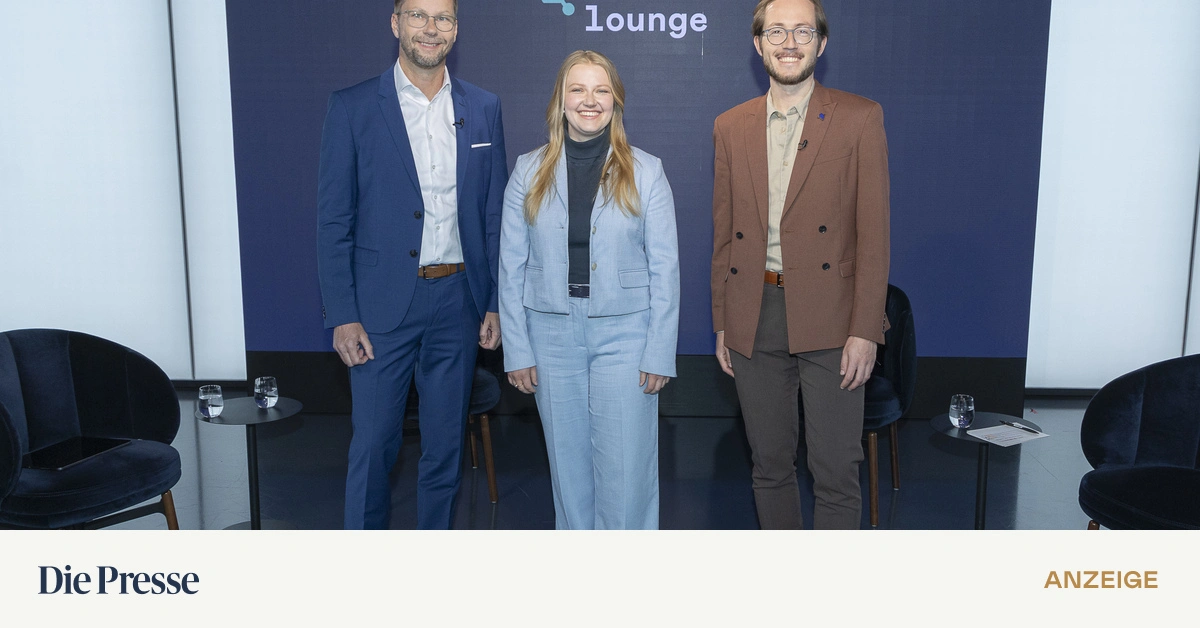
The urgency of this shift was recently underscored at the Wiener Elektro Tage (Vienna Electric Days), an event designed to bridge the gap between industrial capability and consumer readiness. The event served as a barometer for current market sentiment, showing a strong appetite for electric alternatives among the public.
Among the prominent participants was Peugeot, representing the Stellantis group. The company’s presence at the event highlights a broader corporate strategy to diversify portfolios and aggressively push EV models into the European market to meet both regulatory demands and shifting consumer trends.
Navigating the ‘Gathering Storm’
Despite the optimistic timelines and successful event turnouts, the economic outlook for electromobility is not without tension. Industry observers have described the current environment as a period of fair weather with a gathering storm, suggesting that while initial adoption has been smooth, structural challenges are looming.
These challenges typically include the scalability of charging infrastructure, the volatility of raw material prices for battery production, and the need for consistent policy support to maintain momentum. For the average consumer, this volatility can manifest as fluctuating vehicle prices or uncertainty regarding the long-term resale value of early-generation EVs.
For investors and manufacturers, the “storm” represents a period of high risk and high reward. The companies that can navigate the supply chain hurdles and deliver affordable, mass-market electric vehicles will likely dominate the automotive landscape post-2028.
