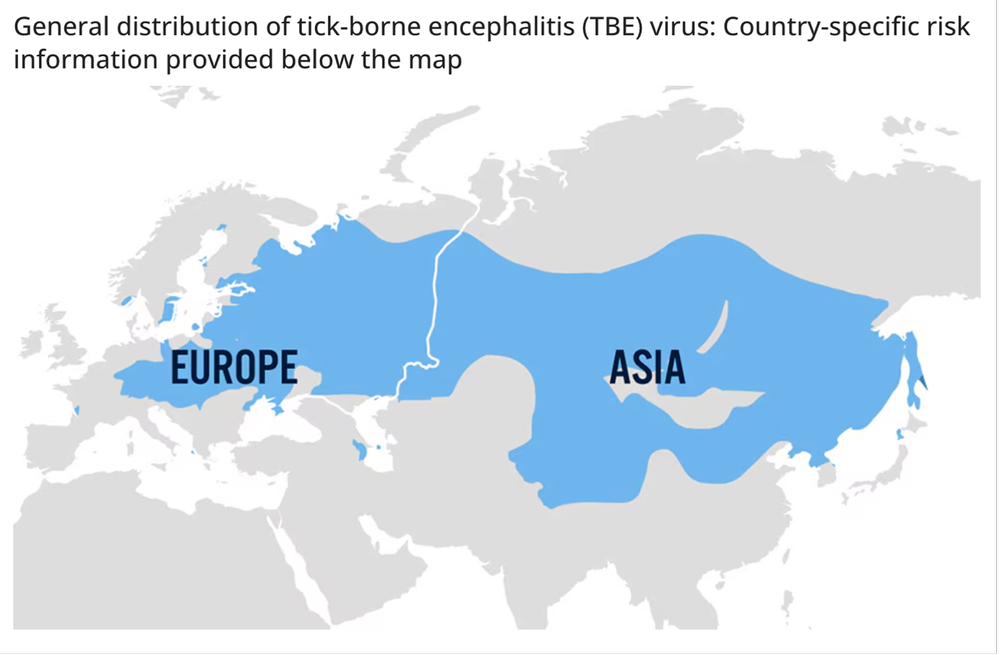
Public health officials in Dalarna, Sweden, are facing a significant challenge as vaccination rates for tick-borne encephalitis (TBE) remain low despite updated medical guidance and an expanding risk map.
- Regional Risk: TBE risk varies significantly by municipality, with certain areas identified as high-risk zones.
- Vaccination Gap: Despite new recommendations, there is a noted lack of interest in TBE vaccination among residents in Dalarna.
- Policy Debate: Public health advocates are proposing the implementation of free TBE vaccines for children as a priority over other fiscal measures.
Geographic Distribution of TBE Risk
The prevalence of TBE is not uniform, with the risk of infection depending heavily on the specific municipality. Public health data indicates that the virus is concentrated in particular risk areas where tick populations carrying the virus are more common. Health authorities emphasize that residents in these identified zones face a higher probability of exposure to the virus through tick bites.
Low Vaccine Uptake Despite Updated Guidance
Despite the clear geographic risks and updated health advice, vaccination uptake in Dalarna has not kept pace with the threat. Public health officials have noted a surprising lack of interest in the vaccine, even as the virus’s footprint expands. This gap between medical recommendations and public action leaves a significant portion of the population vulnerable to the virus, which can lead to severe neurological inflammation.
The Debate Over Pediatric Access
The issue of vaccine accessibility has sparked a policy debate regarding how to best protect the younger population. Some advocates are calling for the government to provide free TBE vaccinations for children. This proposal suggests that investing in pediatric preventative care is a more effective public health strategy than implementing certain tax reductions.
The core of the argument rests on the idea that removing the financial barrier for children would increase overall community immunity and protect a vulnerable age group from the long-term complications associated with TBE infection.
