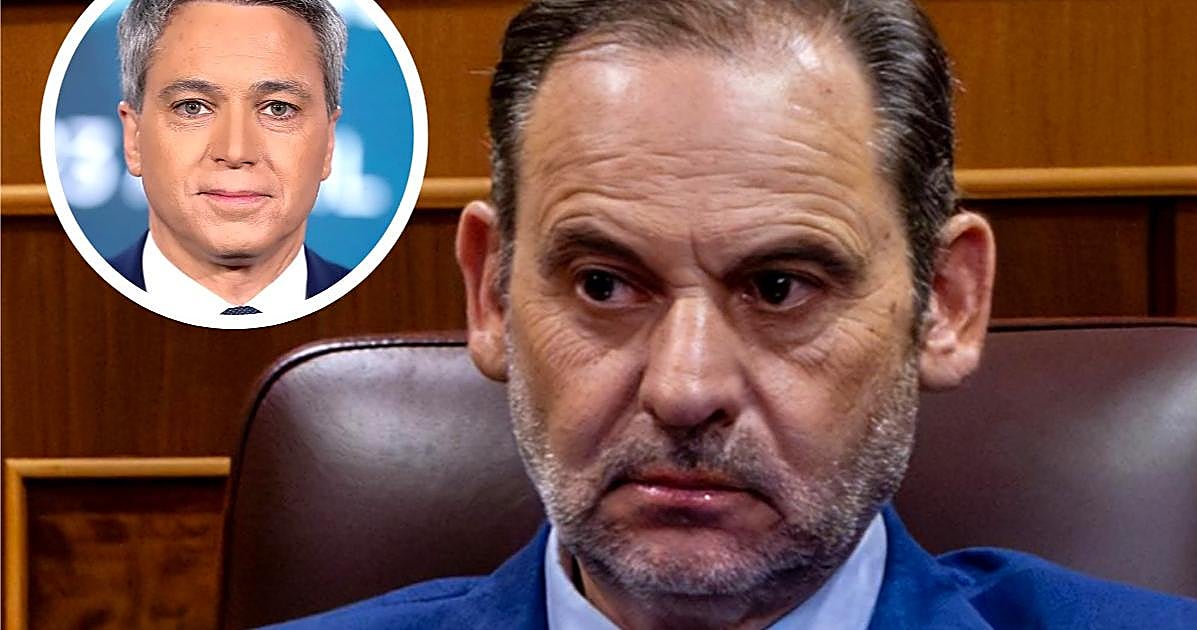
The Spanish Supreme Court’s decision to spare José Manuel Aldama from prison in the Mascarillas case has reignited political and media debates over justice, media influence, and the limits of judicial leniency—while his former colleagues in the government coalition face mounting pressure over their roles in the scandal.
In a ruling that has divided public opinion, Aldama, a former executive at the public broadcaster RTVE, was sentenced to three years in prison—though he will serve none after the court ruled he could remain free pending appeals. The decision contrasts sharply with the harsher penalties handed down to his co-defendants, Miguel Ángel Ábalos and Koldo Martínez de Urquijo, both of whom were convicted in the same case and face prison time. Ábalos, a former infrastructure minister, will not be eligible for early release until he turns 71.
Why the Sentencing Disparity Sparks Political Fallout
The ruling has exposed fractures within Spain’s governing coalition. Vicente Vallés, a senior member of the ruling Socialist Workers’ Party (PSOE), framed the verdict as more than a legal outcome: “This is not just a sentence—it’s a message about how power and influence still shape justice in this country,” he told ABC. The comment underscores growing frustration among coalition partners, who have accused the government of downplaying the scandal’s severity to avoid political damage.
Critics argue the disparity in sentencing reflects Aldama’s ties to RTVE, where he oversaw programming during the pandemic-era Mascarillas affair—a controversy over alleged conflicts of interest in awarding public contracts. His lighter sentence has been widely mocked in Spanish media, with Gabriel Rufián, a Catalan lawmaker, quipping on Diario Público that Aldama received “three years less for every program in Horizonte,” referencing his tenure at the network’s flagship news show.
How the Case Unfolded: Key Figures and Their Fates
The Mascarillas scandal centered on the awarding of millions in public funds to companies linked to government officials during the COVID-19 mask procurement crisis. Three key figures emerged:
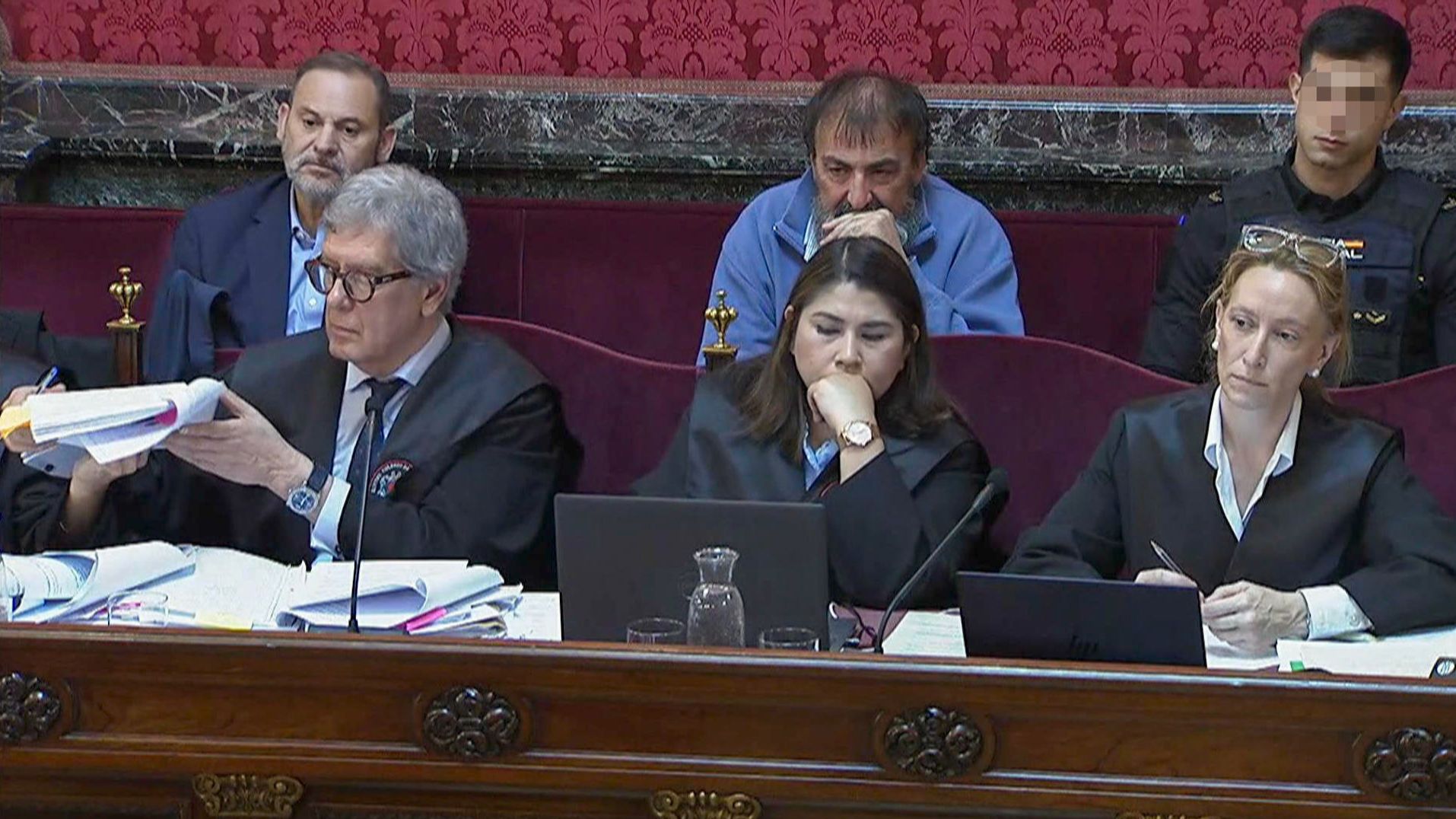
- José Manuel Aldama: Former RTVE executive. Sentenced to 3 years but freed pending appeals.
- Miguel Ángel Ábalos: Former infrastructure minister. Sentenced to 4 years; ineligible for early release until age 71.
- Koldo Martínez de Urquijo: Former regional minister. Also convicted; prison term not yet specified.
Aldama’s case stands out not only for his lighter sentence but for the public’s perception of his privilege. While Ábalos and Urquijo face immediate incarceration, Aldama’s ability to remain free has fueled accusations of a double standard. According to La Vanguardia, legal experts cite Aldama’s lack of prior criminal record and his cooperation with investigators as factors—but his high-profile media background has dominated headlines.
Public and Political Reactions: From Outrage to Satire
The contrast in treatment has sparked both outrage and dark humor. A poll by La Voz de Galicia found that 62% of respondents believe Aldama’s sentence was too lenient, with many pointing to his role in shaping public discourse during the crisis. Meanwhile, social media has amplified the narrative, with memes and satirical posts framing the ruling as a victory for “media elites.”
Politically, the fallout risks emboldening opposition parties. Pablo Casado, leader of the conservative Partido Popular, seized on the ruling to demand a parliamentary inquiry into the government’s handling of the scandal. “If a former TV executive can walk free while a minister rots in prison, what does that say about our justice system?” he asked in a statement.
What Happens Next: Appeals and Political Pressure
Aldama’s legal team has signaled plans to appeal the sentence, arguing that his role in the case was administrative rather than criminal. Meanwhile, the government coalition remains on defense, with reports suggesting internal tensions over how to address the scandal. According to El País, coalition partners are privately debating whether to push for Aldama’s resignation from RTVE—or to distance themselves entirely from the affair.
The case also raises broader questions about media accountability in Spain. Aldama’s career at RTVE included oversight of news programming during a period when the broadcaster faced criticism for perceived bias. While the Supreme Court’s decision is final for now, the political and public backlash suggests the story is far from over.
