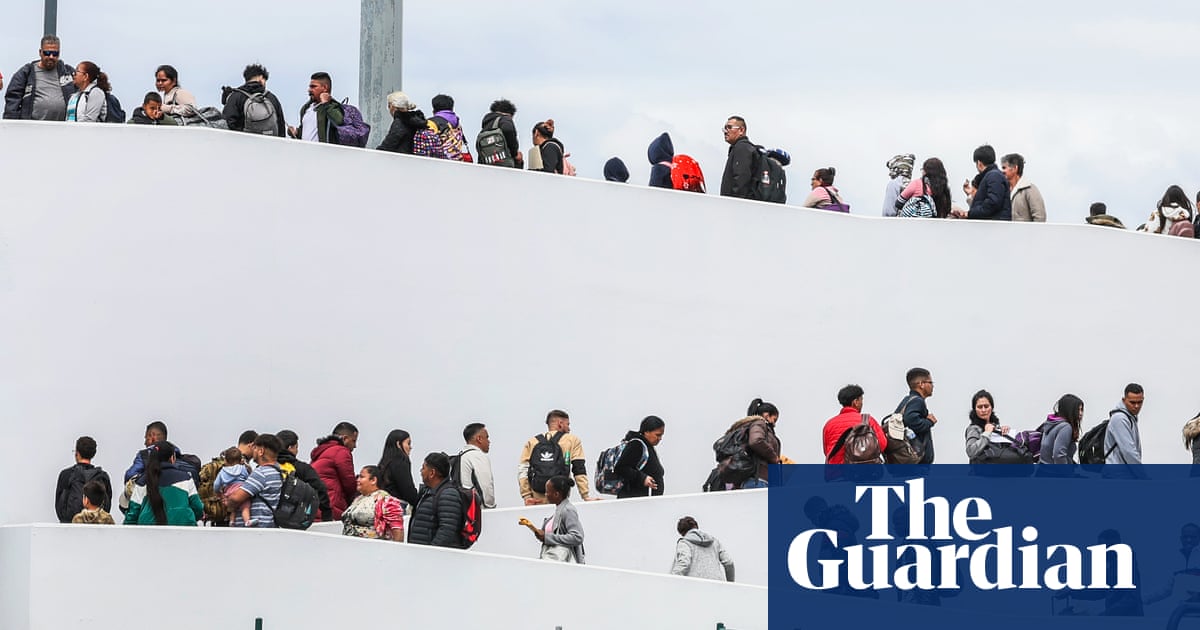
Supreme Court Lets Trump Turn Back Asylum Seekers at US-Mexico Border – The Guardian
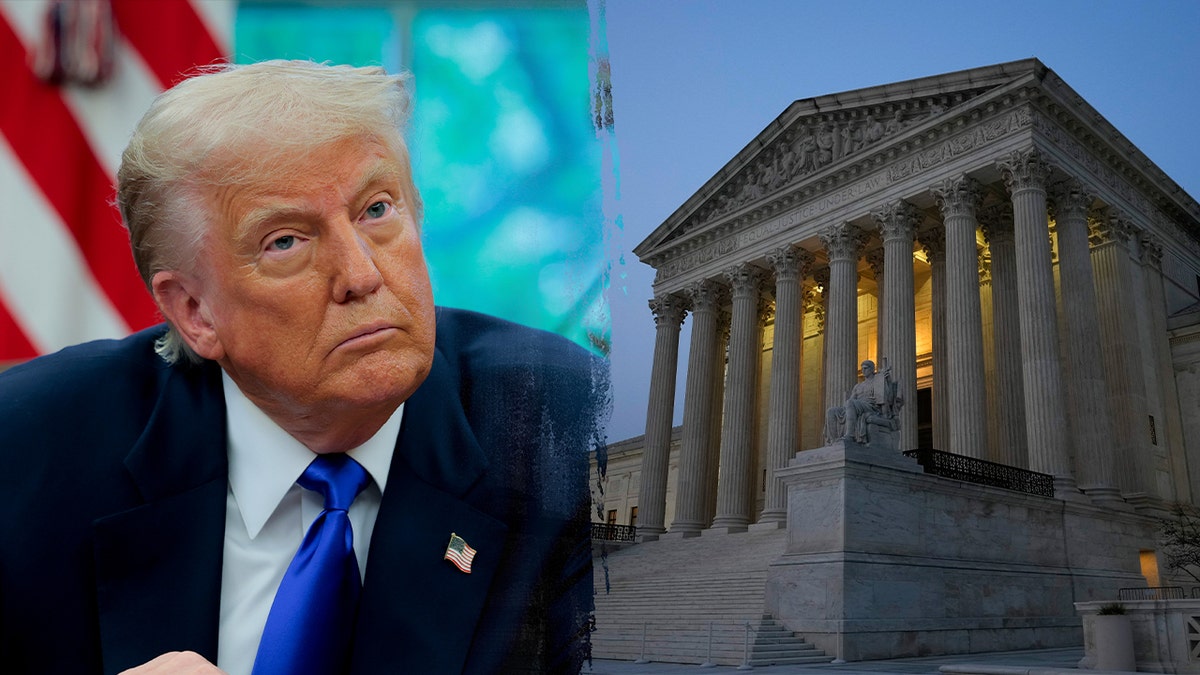
The U.S. Supreme Court ruled that migrants standing on the Mexican side of the border are not entitled to apply for asylum, according to reports from The Washington Post and The New York Times. This decision allows the Trump administration to revive restrictive immigration policies designed to block asylum seekers from entering the United States.
What the Supreme Court Ruled Regarding Border Asylum
The U.S. Supreme Court determined that the right to seek asylum does not extend to individuals who remain on the Mexican side of the international boundary. According to The Washington Post, the court’s ruling explicitly states that migrants are not entitled to apply for asylum while standing in Mexico. This legal distinction effectively removes the requirement for U.S. officials to process asylum claims for those who have not yet physically crossed into U.S. territory.
This ruling serves as a legal green light for the Trump administration to implement more stringent border controls. As reported by The Guardian, the decision enables the administration to “turn back” asylum seekers, preventing them from making claims that would typically grant them a legal foothold within the U.S. immigration system.
The core of the court’s reasoning rests on the geographic location of the migrant. By ruling that the entitlement to asylum begins only after a person has entered the U.S., the court has limited the scope of existing immigration protections. This prevents the administration from being legally forced to admit individuals into the country simply because they have expressed a desire to seek asylum while still in Mexico.
- Key Ruling: No entitlement to asylum for migrants on the Mexico side of the border.
- Direct Effect: Trump administration can legally block and turn back asylum seekers.
- Legal Basis: Geographic location determines the eligibility to initiate the asylum process.
The Revival of Restrictive Immigration Policies
The Supreme Court’s decision clears the way for the Trump administration to bring back a series of restrictive immigration measures. According to the Toronto Star and CTV News, this ruling allows the administration to revive policies that were previously challenged or blocked in lower courts.
These restrictive policies often involve “metering” or other methods of limiting the number of people who can present themselves at ports of entry. By removing the legal obligation to process those in Mexico, the administration can more aggressively enforce a policy of deterrence, signaling to potential migrants that arriving at the border does not guarantee a legal hearing.
“The Supreme Court clears way for Trump administration to revive restrictive immigration policy,” as reported by the Toronto Star.
The administration has argued that such measures are necessary to maintain border security and prevent the immigration system from being overwhelmed. However, legal advocates have argued that these policies violate both U.S. law and international treaties regarding the treatment of refugees.
Comparison of Media Framing on the Ruling
Different news outlets have highlighted different dimensions of this ruling, reflecting the various legal and humanitarian angles of the story.
| Outlet | Primary Focus of Reporting | Key Framing |
|---|---|---|
| The Guardian | The act of turning back migrants | Focused on the immediate physical result: migrants being sent back. |
| The Washington Post | Legal entitlements | Focused on the specific legal ruling that migrants in Mexico have no “right” to apply. |
| The New York Times | Administrative power | Focused on the Supreme Court allowing the Trump administration to block seekers. |
| Toronto Star / CTV News | Policy revival | Focused on the broader ability to reinstate restrictive immigration frameworks. |
Why This Decision Matters for Border Law
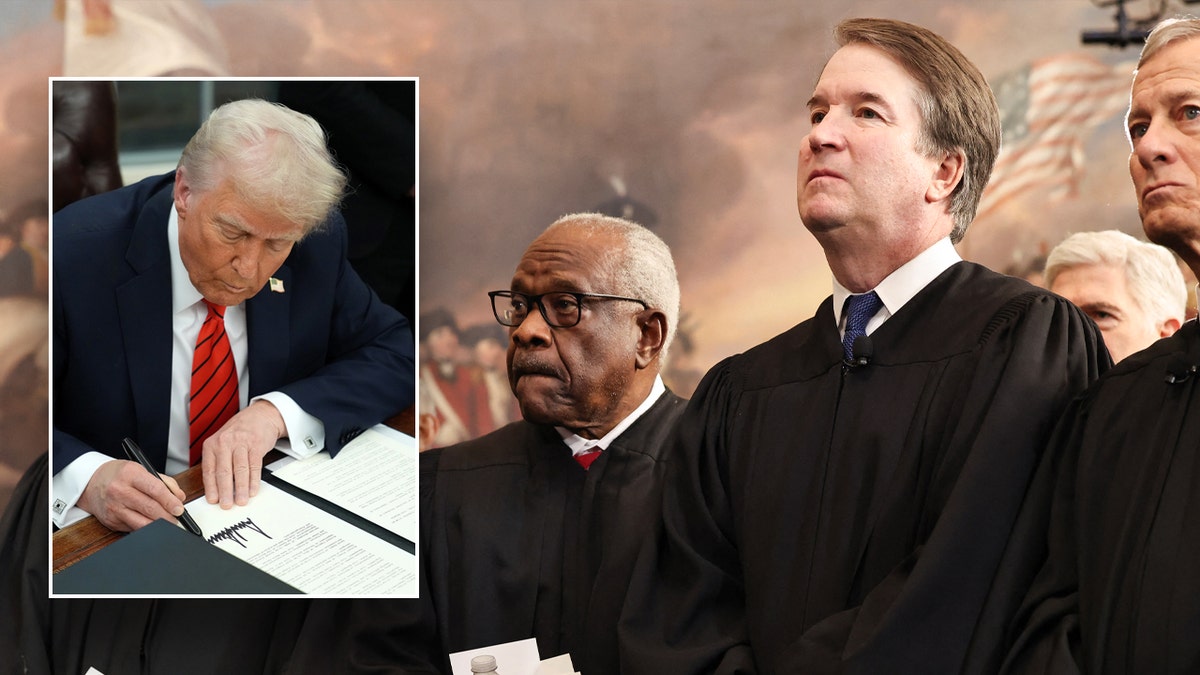
This ruling represents a significant shift in how asylum law is applied at the U.S. southern border. Historically, the principle of non-refoulement—a cornerstone of international law—prohibits countries from returning refugees to places where their lives or freedom would be threatened. By ruling that the asylum process does not trigger while the migrant is still in Mexico, the court has created a legal buffer that the U.S. government can use to avoid these obligations.
According to legal analysis implied in the reporting, this decision narrows the window of opportunity for asylum seekers. If a migrant cannot apply for asylum from the Mexican side, they must successfully cross the border—often illegally or through dangerous terrain—to trigger their legal right to a hearing. This increases the risks for migrants and shifts the burden of entry entirely onto the individual.
The decision also strengthens the executive branch’s authority to manage the border via administrative policy rather than judicial oversight. By validating the administration’s right to block seekers, the court has reduced the likelihood that lower courts will grant injunctions against similar restrictive policies in the future.
Immediate Legal Consequences
- Reduced Access: Migrants are less likely to receive an initial screening for asylum.
- Increased Detentions: Those who do cross may face more aggressive expedited removal processes.
- Policy Flexibility: The Trump administration can now implement “turn-back” protocols without fearing immediate legal reversal based on the “right to apply.”
For more information on how these laws are applied, see a related explainer on U.S. asylum eligibility requirements.
Timeline of the Legal Battle Over Border Access
The path to this Supreme Court ruling involved a series of legal challenges and policy shifts over several years. The Trump administration consistently sought to limit the number of people entering the U.S. to claim asylum, while immigration rights groups fought to maintain open access to the legal process.
- Initial Policy Implementation: The Trump administration introduces restrictive measures to limit asylum processing at the border.
- Lower Court Challenges: Various lawsuits are filed by advocacy groups, arguing that blocking asylum seekers violates the Refugee Act of 1980.
- Interim Injunctions: Some lower courts temporarily block the administration’s ability to turn back migrants, citing the need for due process.
- Supreme Court Intervention: The case reaches the highest court to determine whether the right to asylum begins at the border line or upon entry into the U.S.
- Final Ruling: The Supreme Court rules that migrants on the Mexican side are not entitled to apply, effectively ending the legal blockade against the administration’s policies.
Impact on Migrants and Border Operations
The practical impact of this ruling is felt immediately at the ports of entry and between official crossing points. According to the reporting, the ability to “turn back” seekers means that U.S. Customs and Border Protection (CBP) agents can deny entry to individuals who state they wish to apply for asylum, provided those individuals are still on Mexican soil.

This creates a precarious situation for migrants who have traveled thousands of miles to reach the U.S. border. Without the ability to apply for asylum from the Mexican side, many are forced to wait in Mexican border cities, where they often face violence, extortion, and lack of basic necessities. The Washington Post’s reporting emphasizes that the “entitlement” to asylum is the primary legal tool migrants use to secure safe passage into U.S. custody for processing.
From an operational standpoint, the Trump administration views this as a victory for border efficiency. By reducing the number of asylum claims that must be processed, the administration argues it can allocate more resources to detecting illegal narcotics and preventing unauthorized crossings. However, critics argue this simply pushes the crisis further into Mexico, creating a humanitarian bottleneck.
Potential Long-Term Implications
- Deterrence Effect: The U.S. government hopes that the inability to apply for asylum from Mexico will discourage people from attempting the journey.
- Legal Precedent: This ruling may be used to justify other restrictive measures, such as limiting asylum for those who traveled through third countries.
- International Tension: The ruling puts more pressure on the Mexican government to manage the thousands of migrants who are now legally “turned back” by the U.S.
Common Misconceptions About the Ruling
There is often confusion regarding what this ruling does and does not do. It is important to distinguish between the right to apply and the right to be granted asylum.
Misconception: The court ruled that asylum is no longer available.
This is incorrect. Asylum remains a legal pathway to residency in the U.S. The ruling only specifies where and when a person is entitled to start that application process. If a person is physically present within the United States, they still maintain the right to seek asylum.
Misconception: All migrants are now automatically deported.
The ruling allows the administration to block the application process for those in Mexico. It does not mandate the automatic deportation of everyone; rather, it removes the legal requirement to admit them for the purpose of filing an asylum claim while they are still outside the U.S. border.
Misconception: This ruling applies to all visa types.
This specific ruling targets asylum seekers. It does not change the laws regarding work visas, tourist visas, or other legal immigration channels, although the general climate of restrictive policy may affect how those are processed.
For a deeper dive into the legal distinctions of immigration status, refer to a related explainer on the difference between refugees and asylum seekers.
Addressing the Humanitarian and Political Conflict
The clash between the Supreme Court’s ruling and the concerns of humanitarian organizations highlights a fundamental disagreement over the nature of the U.S. border. The Trump administration frames the border as a security perimeter that must be defended against an “influx” of migrants. In this view, the court’s decision is a necessary tool for national sovereignty and law enforcement.
Conversely, human rights organizations argue that the border is a site of legal obligation. They contend that by allowing the administration to turn back seekers, the U.S. is ignoring the desperation of people fleeing political persecution and violence. The reporting from The Guardian suggests that the “turn back” policy essentially closes the door on the most vulnerable populations who cannot afford legal counsel or the means to bypass official ports of entry.
This conflict is not merely legal but political. The ruling provides the Trump administration with a powerful instrument to fulfill campaign promises regarding “closing the border.” At the same time, it sets the stage for continued legal battles as new administrations or different sets of plaintiffs attempt to find new legal avenues to challenge these restrictions.
Stakeholder Positions
- Trump Administration: Views the ruling as a victory for border security and a means to deter illegal immigration.
- Supreme Court: Focused on the strict geographic interpretation of asylum law.
- Migrant Advocacy Groups: View the ruling as a violation of human rights and a dangerous precedent.
- Mexican Government: Faces increased pressure to provide infrastructure and security for turned-back migrants.
Frequently Asked Questions
Can asylum seekers still apply for asylum in the U.S.?
Yes. The Supreme Court ruling does not eliminate asylum. However, it specifies that migrants standing on the Mexican side of the border are not entitled to apply for asylum from that location. To apply, they generally must be physically present within the United States.
What does “turning back” asylum seekers mean?
According to reporting from The Guardian, “turning back” refers to the practice of U.S. border officials refusing entry to migrants who wish to seek asylum and directing them to remain in or return to Mexico, rather than admitting them into U.S. custody to begin the asylum process.
Which restrictive policies can the Trump administration now revive?
As noted by the Toronto Star and CTV News, the administration can now reinstate policies that limit the processing of asylum claims at the border and implement more aggressive deterrence measures that were previously blocked by lower courts.
Does this ruling apply to people who have already crossed the border?
The ruling specifically addresses those “standing on the Mexico side of the border.” Individuals who have already entered the United States still have the legal right to seek asylum under existing U.S. law.
Why is the location of the migrant important in this case?
The Supreme Court based its decision on the geographic location of the individual. By ruling that the entitlement to apply for asylum does not exist while the person is in Mexico, the court limited the legal obligation of the U.S. government to provide access to the asylum process to those outside its borders.
