People with age-related macular degeneration (AMD) may face an increased risk of developing cancer, according to a study reported by Pourquoi Docteur. The research indicates a correlation between the progression of this eye condition and a higher susceptibility to oncological diseases, although the precise biological mechanism remains under investigation.
The Connection Between AMD and Cancer
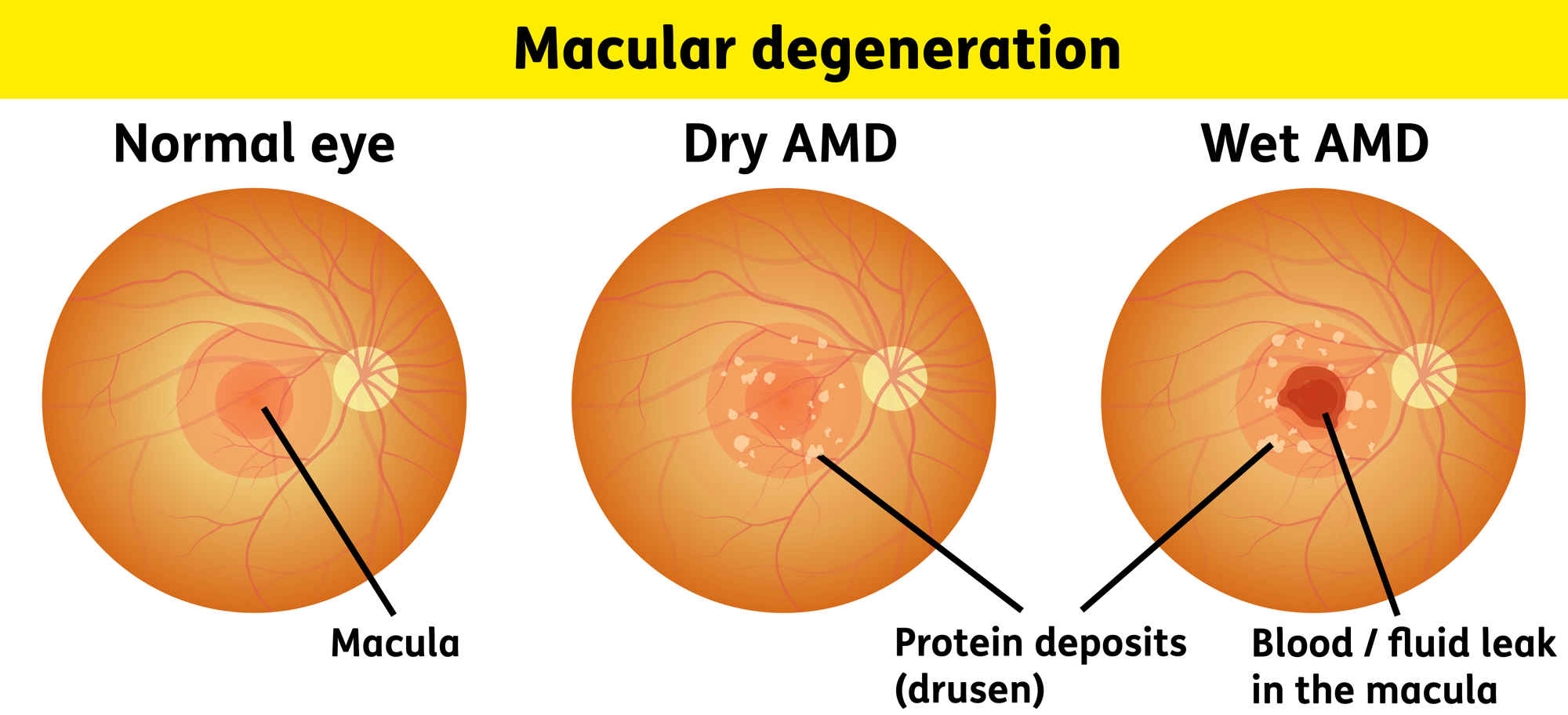
Age-related macular degeneration is a leading cause of vision loss, characterized by the deterioration of the macula, the central part of the retina. While primarily viewed as an ocular pathology, the study cited by Pourquoi Docteur suggests that the condition is associated with systemic health risks, specifically a higher incidence of cancer.
According to the report, the link suggests that the factors contributing to the degeneration of retinal cells may overlap with those that promote tumor growth in other parts of the body. This suggests that AMD could potentially serve as a marker for broader systemic vulnerabilities.
Association Versus Causation
Medical researchers emphasize a critical distinction in these findings: the study identifies an association, not a direct causal relationship. This means that while AMD and cancer appear together more frequently than would be expected by chance, it does not necessarily mean that AMD causes cancer or that cancer causes AMD.
Experts suggest several possibilities for this link, including:
- Shared Genetic Predispositions: Certain genetic markers may increase a person’s risk for both retinal degeneration and various forms of malignancy.
- Chronic Inflammation: Systemic inflammation, a known driver of AMD, is also a recognized factor in the development and progression of many cancers.
- Common Risk Factors: Shared environmental triggers, such as smoking or oxidative stress, may contribute to both conditions independently.
Limitations and Clinical Outlook
The study’s findings are based on observational data, which can be influenced by confounding variables such as age and lifestyle. Because AMD typically affects older populations—the same demographic at the highest risk for cancer—isolating the specific impact of the eye disease requires more targeted, long-term research.
According to health guidelines, these findings do not currently warrant changes to standard cancer screening protocols for AMD patients. However, the research highlights the importance of a multidisciplinary approach to geriatric care, where ocular health is monitored alongside general systemic screenings.
