
S&P 500 Futures Decline After Tech Sell-Off Drags Down Broad Market Index; South Korea’s Kospi Falls Over 6%
S&P 500 futures dropped as a sharp sell-off in technology stocks pressured the broader market index, according to CNBC. Simultaneously, South Korea’s Kospi index plummeted more than 6%, reflecting a global retreat from high-growth tech and semiconductor equities that have driven recent market gains.
What caused the S&P 500 futures decline and the Kospi crash?
The current market volatility stems from a concentrated sell-off in the technology sector, which has a disproportionate impact on the S&P 500 due to its market-capitalization weighting. According to CNBC, this tech-led decline dragged down the broad market index, causing S&P 500 futures to trend lower before the official market open. This movement indicates that traders expect a negative start for U.S. equities, as investors rotate out of high-valuation growth stocks.
In Asia, the impact was more severe. South Korea’s benchmark Kospi index fell by more than 6%, according to CNBC. The severity of the Kospi’s decline is linked to the index’s heavy concentration in semiconductor companies, such as Samsung Electronics and SK Hynix. Because these firms are primary suppliers for the global AI hardware chain, any perceived cooling in U.S. tech appetite triggers aggressive selling in Seoul.
Key drivers of this movement include:
- Valuation Concerns: Investors are questioning whether AI-related stocks have become overextended.
- Sector Rotation: Capital is moving from “growth” stocks (tech) into “value” stocks (industrials, utilities).
- Global Interconnectivity: The high correlation between U.S. Nasdaq-listed firms and Asian chipmakers means a dip in one often triggers a crash in the other.
Why does a tech sell-off drag down the broad S&P 500 index?
The S&P 500 is not an equal-weighted index; it is weighted by market capitalization. This means the largest companies—primarily the “Magnificent Seven” tech giants—exert a massive influence on the index’s total value. According to CNBC, when these tech heavyweights experience a sell-off, the losses can outweigh gains in the other 493 companies, pulling the entire index downward.
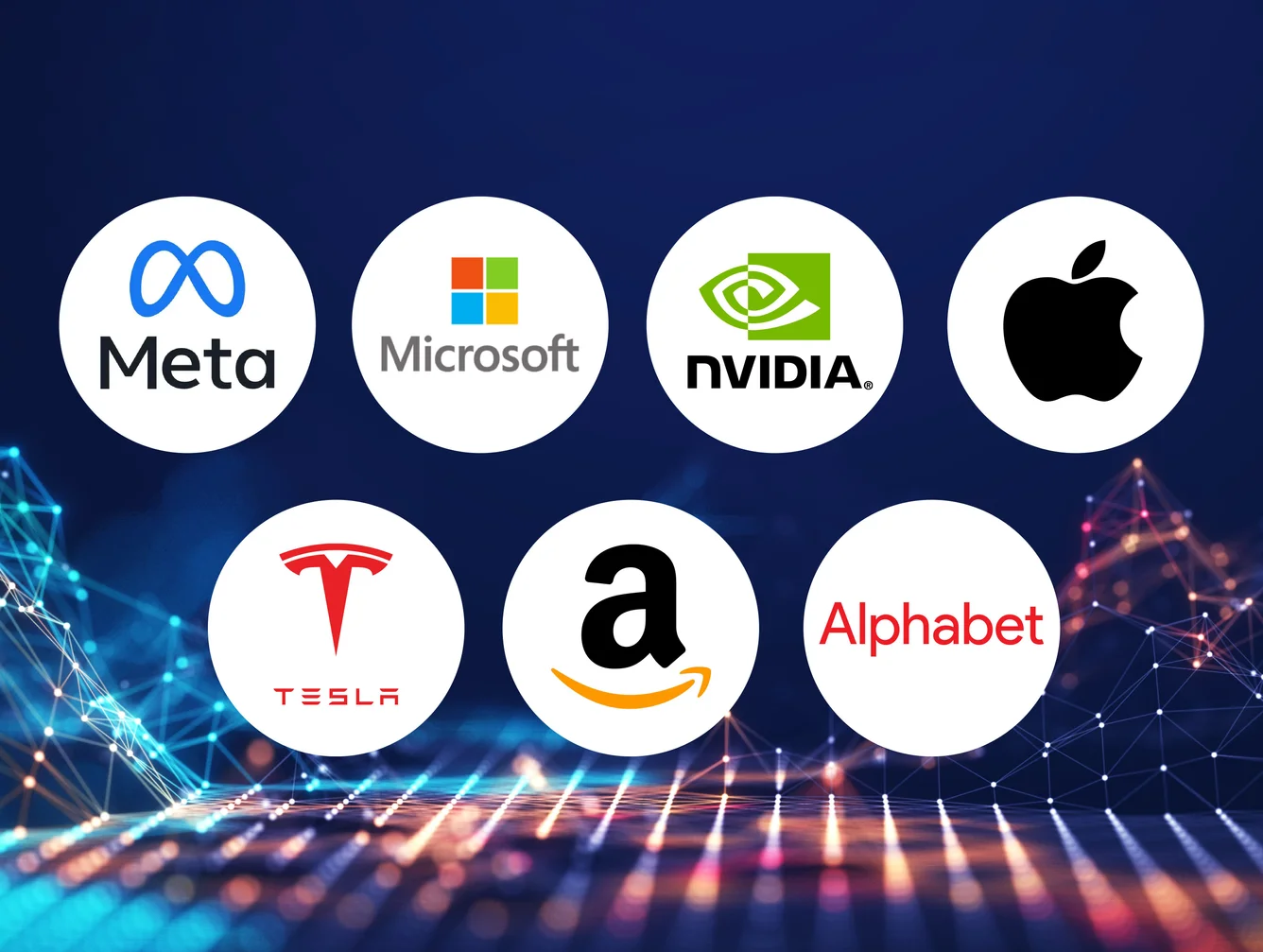
If a company like Nvidia or Microsoft drops by several percentage points, it removes billions of dollars in market value from the index. Even if smaller companies in the energy or healthcare sectors remain stable or rise slightly, the sheer volume of the tech decline creates a “drag” effect. This mechanical reality explains why the broad market can decline even if the majority of individual stocks are not crashing.
| Index Type | Weighting Method | Impact of Tech Sell-off |
|---|---|---|
| S&P 500 (Market Cap) | Based on company size | High; top tech firms drive the trend |
| Equal-Weighted S&P 500 | Every company has same weight | Moderate; tech is just one of many sectors |
| Kospi (South Korea) | Heavy Semi-conductor weight | Extreme; highly sensitive to chip demand |
How did South Korea’s Kospi fall over 6%?
The Kospi’s plunge of over 6%, as reported by CNBC, highlights the vulnerability of the South Korean economy to the U.S. technology cycle. South Korea is a global hub for memory chips (DRAM and NAND flash), which are essential components for the AI servers and GPUs produced in the United States.
When U.S. investors sell off tech stocks, it often signals a fear that the AI boom is peaking or that corporate spending on hardware will slow. For South Korean investors, this is a direct threat to the earnings potential of their largest companies. A decline in the U.S. tech sector often leads to “contagion,” where institutional investors liquidate positions in emerging markets to cover losses or reduce risk in their primary portfolios.
The 6% drop is particularly notable because it represents a significant deviation from standard daily volatility. Such a move typically suggests a “panic” phase or a systemic re-evaluation of risk across the Asian markets, often exacerbated by currency fluctuations between the Korean Won and the U.S. Dollar.
“The high concentration of semiconductor stocks in the Kospi makes it a proxy for the global AI trade, meaning it often overreacts to U.S. tech volatility.”
What is the role of S&P 500 futures in this market movement?
S&P 500 futures are financial contracts that allow traders to bet on the future value of the index. They trade nearly 24 hours a day, providing a real-time window into market sentiment before the New York Stock Exchange opens. When CNBC reports that “S&P 500 futures decline,” it means that traders are selling these contracts, signaling that they expect the cash market to open lower.
Futures act as a leading indicator. In this case, the decline in futures reflects the negative sentiment originating from the Asian market crash and the overnight sell-off in tech-heavy instruments. This creates a feedback loop: a crash in the Kospi signals tech weakness, which pushes S&P 500 futures down, which then encourages U.S. traders to sell their tech holdings the moment the market opens.
Related factors influencing futures include:
- Economic Data: Unexpected inflation or employment reports.
- Federal Reserve Signals: Hints that interest rates will stay higher for longer.
- Geopolitical Events: Trade tensions between the U.S. and China affecting chip exports.
Why does this matter for the broader global economy?
The synchronized decline of U.S. futures and the South Korean market is more than just a “bad day” for traders. It reflects a broader shift in global economic sentiment. Technology stocks have been the primary engine of global equity growth for the last decade. When that engine stalls, it affects pension funds, 401(k)s, and corporate valuations worldwide.

Furthermore, the South Korean crash underscores the fragility of the global supply chain. Because the U.S. designs the chips and South Korea manufactures the memory, a financial shock in one region can quickly translate into operational caution in another. If the Kospi continues to slide, it may indicate a lack of confidence in the long-term sustainability of AI capital expenditures.
For the average investor, this volatility suggests a transition from a “bull market” driven by optimism to a more skeptical environment where fundamental earnings must justify high stock prices. Related explainer on market capitalization weighting provides more detail on how this affects individual portfolios.
Comparing the current tech sell-off to previous market corrections
Market analysts often compare these events to the “dot-com bubble” of 2000 or the “tech wreck” of 2022. However, the current situation differs in its catalyst. The 2000 crash was driven by companies with no revenue; the 2022 decline was driven by rapid interest rate hikes. The current sell-off, as seen in the S&P 500 futures and Kospi, is more about “expectation management.”
Companies are making record profits, but the market had priced in “perfect” growth. Any sign that growth is merely “good” rather than “perfect” leads to a sharp correction. This is a classic “valuation reset” rather than a fundamental business collapse.
Contrast in framing:
- 2000 Crash: Lack of fundamental value.
- 2022 Correction: Cost of capital increase (Interest rates).
- Current Sell-off: High expectations vs. actual delivery (AI monetization).
Common misconceptions about market declines
A common misconception is that a decline in S&P 500 futures means the entire economy is in a recession. In reality, futures reflect sentiment and speculation, not necessarily the health of the underlying economy. A tech sell-off can occur while employment remains high and consumer spending stays strong.
Another misunderstanding is that the Kospi’s 6% drop is an isolated event in South Korea. Because of the global nature of the semiconductor industry, the Kospi is essentially a “canary in the coal mine” for the global tech sector. Its decline is a symptom of a global trend, not a local failure.
Finally, some believe that “buying the dip” is always the correct strategy during a tech sell-off. While historically effective in bull markets, a fundamental shift in AI viability could lead to a prolonged period of stagnation rather than a quick bounce-back.
What indicators should investors watch next?
To determine if this is a temporary correction or the start of a bear market, several key data points are critical. First, the quarterly earnings reports of the “Magnificent Seven” will provide the necessary evidence to support or refute current valuations.
Second, the Federal Reserve’s stance on interest rates remains paramount. Tech stocks are sensitive to rates because their value is based on future cash flows; higher rates make those future dollars less valuable today.
Third, the stability of the South Korean Won and the recovery of the Kospi will indicate whether Asian markets have bottomed out or if further contagion is likely. If the Kospi continues to bleed despite a stable S&P 500, it may suggest deeper structural issues in the semiconductor supply chain.
Key metrics to monitor:
- VIX (Volatility Index): A spike in the “fear gauge” usually accompanies these sell-offs.
- 10-Year Treasury Yield: Rising yields often put downward pressure on tech stocks.
- HBM (High Bandwidth Memory) Demand: Direct indicators of AI hardware health.
Frequently Asked Questions
What are S&P 500 futures and why do they matter?
S&P 500 futures are contracts to buy or sell the index at a future date. They matter because they trade almost 24/7, giving investors a preview of how the U.S. stock market will likely open based on overnight news and global market activity.
Why did the South Korean Kospi fall so much more than U.S. futures?
The Kospi is more heavily concentrated in semiconductor manufacturing. Because these companies are the “picks and shovels” of the AI revolution, they are more sensitive to any sign of a tech slowdown than the diversified S&P 500.

What is a “tech sell-off”?
A tech sell-off occurs when a large number of investors sell shares in technology companies simultaneously. This is often caused by high valuations, disappointing earnings, or changes in macroeconomic conditions like interest rate hikes.
Does a decline in the S&P 500 always mean a recession?
No. Market declines can be “corrections” (a drop of 10% or more) that serve to reset overvalued prices without indicating a broader economic downturn or recession.
How does AI affect the Kospi index?
The Kospi is dominated by companies like Samsung and SK Hynix, which produce the memory chips required for AI processors. Therefore, the index rises when AI demand grows and falls when investors fear a slowdown in AI infrastructure spending.
The intersection of U.S. futures and Asian equity markets continues to be the primary driver of global volatility. As the market digests the current tech sell-off, the focus remains on whether AI can deliver the productivity gains promised to justify its current price tags.
