
Somali Referee for World Cup Denied Entry into United States: Vetting Concerns Spark Controversy
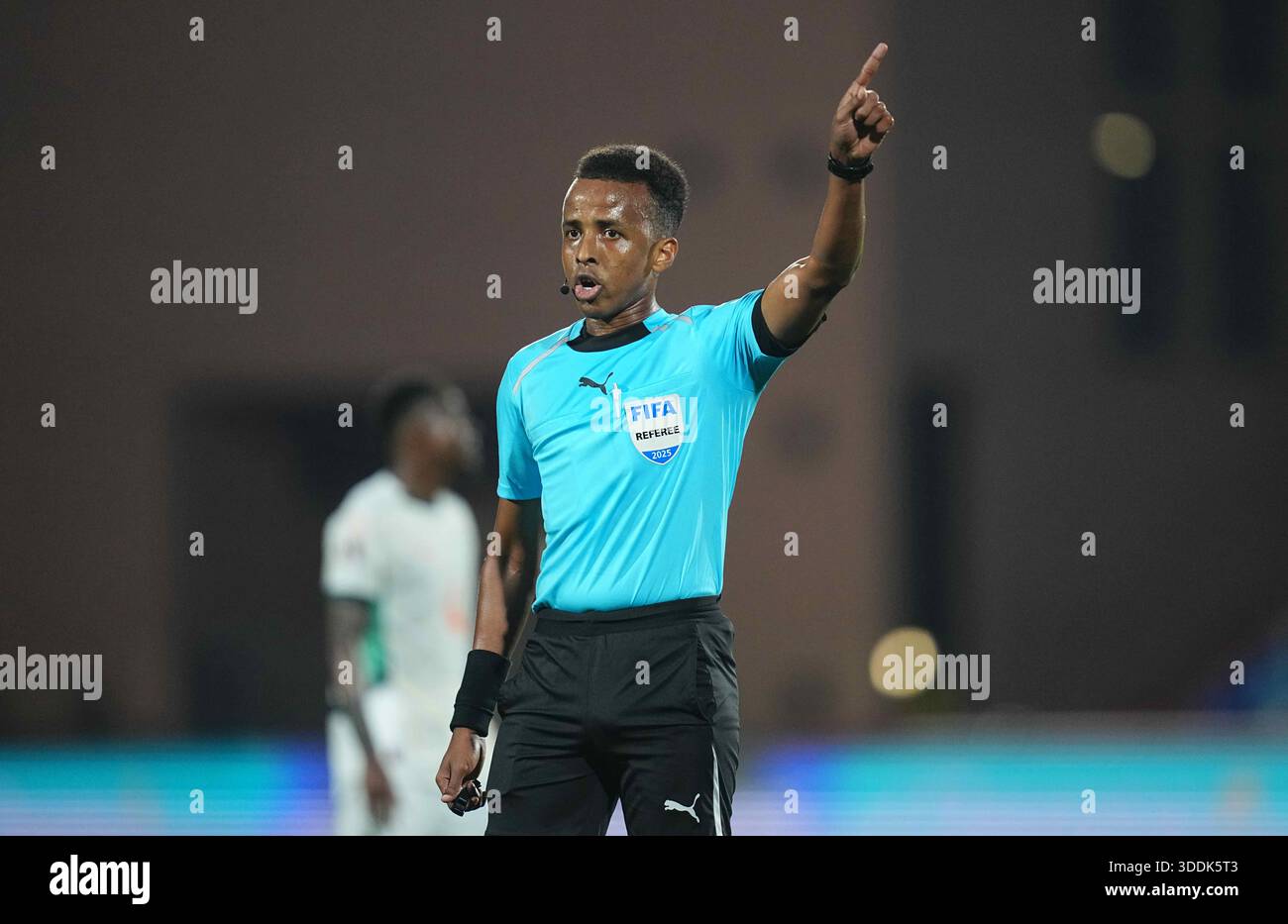
The United States Department of Homeland Security (DHS) has denied entry to Omar Artan, a top Somali referee selected by FIFA to officiate in the World Cup. Upon arriving in South Florida on Saturday, Artan was deemed inadmissible by federal authorities, who cited “vetting concerns” as the reason for the decision. The move prevents Artan from becoming the first Somali national to officiate a match in the tournament’s history.
What Happened to Omar Artan at the U.S. Border?
Omar Artan, one of the 52 referees appointed by FIFA for the upcoming World Cup, arrived in South Florida this past Saturday. Despite his official status with the world’s governing body for football, he was not permitted to enter the country. The Department of Homeland Security (DHS) confirmed the denial of entry on Monday via an email to Al Jazeera.
A spokesperson for the DHS stated that Artan was “determined to be inadmissible due to vetting concerns and was denied entry.” The agency did not provide specific details regarding the nature of these concerns or the exact criteria that led to the inadmissibility determination.
The incident is particularly notable because Artan’s arrival in the United States suggests he possessed a valid visa prior to his travel. The fact that a visa was issued, only for the traveler to be turned away at the port of entry, highlights a gap between the initial visa screening process and the final vetting conducted by border officials.
“Determined to be inadmissible due to vetting concerns and was denied entry.” — DHS Spokesperson
The Political Context Surrounding the Entry Denial
The denial of entry for a high-profile sports official comes amid a tense political climate regarding travel from certain regions. Somalia is currently included on the travel ban list implemented by President Donald Trump.
The administration’s stance toward the African nation has been characterized by public criticism. President Trump has frequently disparaged the country and its people; late last year, he drew widespread condemnation after referring to Somali immigrants living in the United States as “garbage.”
Critics of the administration’s travel policies argue that such restrictions can interfere with international sporting events, which are traditionally intended to transcend political disputes. The case of Omar Artan serves as a concrete example of how national security policies and travel bans can directly impact the operational logistics of a global tournament.
Key Factors in the Current Situation
- Official Status: Artan is one of only 52 referees selected globally by FIFA for the World Cup.
- Historical Milestone: He was poised to be the first Somali official to referee at the World Cup level.
- Legal Conflict: The clash between FIFA’s selection process and U.S. Department of Homeland Security vetting protocols.
Broader Visa and Entry Issues for the World Cup
The situation involving the Somali referee for World Cup denied entry into United States is not an isolated incident of travel friction. The tournament, which is being co-hosted by the United States, Mexico, and Canada, has already faced several diplomatic and bureaucratic hurdles regarding the movement of athletes and officials.
A prominent example is the Iranian national team. Due to ongoing visa complications, the team has been forced to base its operations in Mexico. While the players are permitted to enter the United States specifically to play their scheduled matches, they are required to return to their base south of the border immediately following the games.
These restrictions suggest a pattern of stringent vetting and travel limitations for citizens of nations with strained diplomatic relations with the United States, regardless of their role in the tournament.
| Affected Party | Issue | Current Status |
|---|---|---|
| Omar Artan (Referee) | Denied Entry (Vetting Concerns) | Returned/Denied Access |
| Iran National Team | Visa Restrictions | Basing in Mexico; Limited US Access |
The Significance of Artan’s Selection by FIFA
To understand why this denial is causing a stir in the sporting world, it is necessary to look at the prestige associated with FIFA’s referee selections. Being named one of the 52 World Cup referees is a mark of elite professional standing. It indicates that an official has reached the pinnacle of the sport in terms of technical skill, fitness, and game management.

For Somalia, Artan’s selection was more than just a professional achievement; it was a moment of national pride. As the first Somali official to reach this level, Artan represented a breakthrough for African officiating and a visible success story for Somali athletics on the world stage.
The removal of a qualified official from the roster due to political or vetting issues creates a vacuum in the officiating pool and raises questions about the neutrality of the tournament’s environment. When officials are barred from entry, it disrupts the planned assignments and forces FIFA to find last-minute replacements, potentially affecting the consistency of officiating across the tournament.
Implications for International Sports Diplomacy
The intersection of national security and international sports often creates friction, but the denial of a FIFA-vetted official is a rare escalation. Usually, sporting bodies work in tandem with host governments to ensure that “sporting visas” or special clearances are expedited for essential personnel.
The fact that the DHS maintained its position despite Artan’s role in the World Cup suggests that “vetting concerns” take absolute precedence over the diplomatic goals of the tournament. This sets a precedent that could lead to further challenges for other officials or players from restricted nations.
Furthermore, the public nature of the denial—and the accompanying political rhetoric from the White House—adds a layer of tension to the event. The World Cup is often framed as a unifying global event, but the inability of a top official from Somalia to enter the host country underscores the persistence of geopolitical divides.
For those following the tournament’s logistics, this event highlights a critical vulnerability: the reliance on the host nation’s discretionary power over border entry, which can override the selections of international governing bodies like FIFA.
Common Questions Regarding the Somali Referee’s Entry Denial
Who is Omar Artan?
Omar Artan is a highly decorated Somali football referee. He was selected by FIFA as one of the 52 officials designated to referee matches during the World Cup, making him a candidate to be the first Somali national to ever officiate in the tournament.
Why was the Somali referee denied entry into the United States?
According to a spokesperson for the U.S. Department of Homeland Security (DHS), Omar Artan was “determined to be inadmissible due to vetting concerns.” The DHS did not elaborate on the specific reasons behind this determination.
Did Omar Artan have a visa?
While the DHS did not explicitly confirm the status of his visa, reports indicate that Artan had already arrived in South Florida, which strongly suggests he possessed a valid travel document or visa prior to his arrival at the port of entry.
How does this relate to the U.S. travel ban?
Somalia is one of the countries included on the travel ban list established by President Donald Trump. The administration has a history of restrictive travel policies toward Somali citizens, which critics argue contributed to the atmosphere surrounding this denial.
Are other teams or officials facing similar issues?
Yes. For example, the Iranian national team has faced significant visa hurdles, resulting in the team basing itself in Mexico and only entering the U.S. for specific match days.
As the tournament progresses, the focus will likely remain on whether FIFA can secure the presence of all its selected officials or if further diplomatic clashes will result in more vacancies in the officiating roster. The case of Omar Artan remains a stark reminder of the influence that national border policies exert over the “beautiful game.”
