Senate Democrats Seek Probe of Trump $250 Bill: Full Details on the Axios Exclusive
Senate Democrats are demanding an investigation into a proposal to create a $250 banknote featuring Donald Trump, according to an exclusive report from Axios. The move marks a significant departure from U.S. currency traditions, prompting reactions from Treasury Secretary Scott Bessent and concerns over political influence on national tender.
Why are Senate Democrats calling for a probe into the Trump $250 bill?
Senate Democrats are seeking a formal probe to determine the origins and legitimacy of a plan to introduce a $250 bill featuring Donald Trump. According to Axios, the push for an investigation centers on whether the proposal violates established norms regarding how figures are selected for U.S. currency and whether political pressure influenced the Treasury Department.
The primary concern cited by Democratic lawmakers is the precedent such a move would set. Historically, the United States has avoided placing living or recently active political figures on banknotes to prevent the currency from becoming a tool for political branding. By seeking a probe, Senate Democrats aim to uncover who initiated the proposal and what internal Treasury processes, if any, were followed to justify a new denomination.
Key points regarding the Democratic opposition include:
- Concerns over Politicization: Lawmakers argue that currency should remain a neutral symbol of national stability rather than a reflection of current political leadership.
- Procedural Integrity: The probe seeks to clarify if the proposal bypassed standard review boards or Treasury protocols.
- Fiscal Justification: Democrats have questioned the economic necessity of adding a $250 denomination to the existing currency stack.
How does the $250 bill proposal break U.S. currency tradition?
The proposal for a Trump-themed $250 bill departs from nearly every established convention of the U.S. Mint and the Department of the Treasury. As reported by the Winnipeg Sun, the introduction of such a note would break long-standing traditions regarding both the denomination and the subject of the currency.
Traditionally, U.S. banknotes feature individuals who have had a profound, lasting impact on the nation’s history, typically after a significant period has passed since their death. This “cooling off” period ensures that the figure’s legacy is viewed through a historical lens rather than a partisan one. Placing a contemporary political figure on a bill would be a first in the modern era of American currency.
Furthermore, the denomination itself is an anomaly. The U.S. has not introduced a widely circulated new denomination in decades. While high-value notes like the $500, $1,000, and $5,000 bills existed in the past, they were phased out of production in 1945 and officially discontinued in 1969 to curb illegal activities and reduce the need for high-value cash transactions.
| Feature | Traditional U.S. Currency Norms | Proposed $250 Trump Bill |
|---|---|---|
| Subject Status | Deceased historical figures | Contemporary political figure |
| Selection Criteria | Long-term historical consensus | Current political alignment |
| Denomination | Standardized ($1, $2, $5, $10, $20, $50, $100) | New, non-standard $250 value |
| Purpose | Economic utility and national identity | Potential political branding |
What is Treasury Secretary Scott Bessent’s response to the proposal?
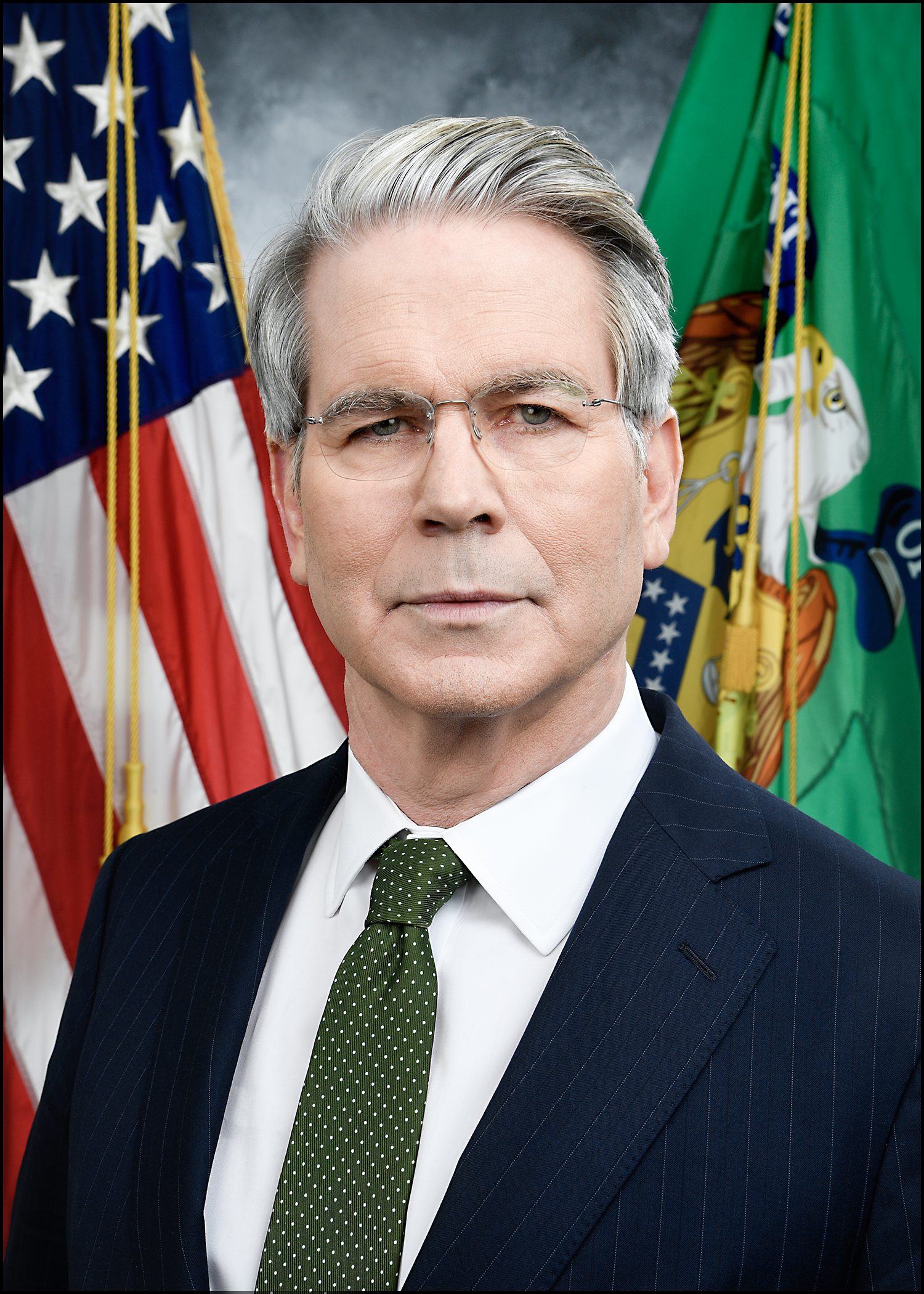
Treasury Secretary Scott Bessent has addressed the controversy surrounding the $250 bill idea. According to reports from Yahoo News Canada, Bessent’s response indicates a tension between the proposed idea and the operational realities of the Treasury Department.
While the reports do not suggest that Bessent has formally endorsed the creation of the bill, his responses have been scrutinized for how they balance loyalty to the administration with the Treasury’s role as a non-partisan fiscal steward. The Treasury Secretary is responsible for overseeing the Bureau of Engraving and Printing (BEP), which handles the actual production of banknotes. Any shift in denomination or imagery requires a complex logistical and legal process.
Bessent’s position is critical because the Treasury Secretary holds the authority to recommend changes to the Secretary of the Treasury, who then coordinates with the BEP. If the probe sought by Senate Democrats moves forward, Bessent’s internal communications and the Treasury’s official stance on the $250 bill will likely be central to the investigation.
What are the legal and procedural requirements for changing U.S. banknotes?
Changing the face or the value of U.S. currency is not a simple administrative decision; it involves a rigorous set of legal and technical steps. The process is designed to prevent arbitrary changes to the money supply and to maintain public confidence in the dollar.
The Secretary of the Treasury has the legal authority to determine the designs and denominations of Federal Reserve notes. However, this authority is typically exercised in consultation with the Federal Reserve and the Bureau of Engraving and Printing. The process generally involves:
- Design Review: A committee of historians, artists, and security experts reviews proposed imagery to ensure it meets national standards.
- Security Integration: New bills must undergo extensive testing for anti-counterfeiting measures, such as 3D security ribbons, color-shifting ink, and watermarks.
- Economic Impact Analysis: The Treasury evaluates whether a new denomination serves a practical purpose for the public or if it would complicate cash handling for banks and businesses.
- Production Scaling: The BEP must calibrate machinery to handle the specific dimensions and ink requirements of a new note.
Because the $250 bill proposal bypasses the traditional “historical consensus” model, it creates a legal gray area. While the Secretary of the Treasury has broad powers, the push from Senate Democrats suggests that using those powers for a contemporary political figure could be viewed as an abuse of office or a violation of the spirit of the law.
For more on the intersection of government and finance, see this related explainer on Treasury Department protocols.
Who is affected by the potential introduction of a $250 bill?
The introduction of a new, high-value banknote would have ripple effects across several sectors of the U.S. economy and political landscape.
The Banking and Retail Sector
Commercial banks and retail businesses would be forced to update their hardware. Automated Teller Machines (ATMs), vending machines, and cash-counting software are calibrated for specific denominations. Introducing a $250 bill would require a nationwide software and hardware update, costing millions of dollars in private sector investment.
The Federal Reserve and Treasury
The Federal Reserve would need to manage the distribution and integration of the new note into the money supply. This includes coordinating with the BEP to ensure that the new bills do not displace existing denominations in a way that disrupts daily commerce.
The Political Landscape
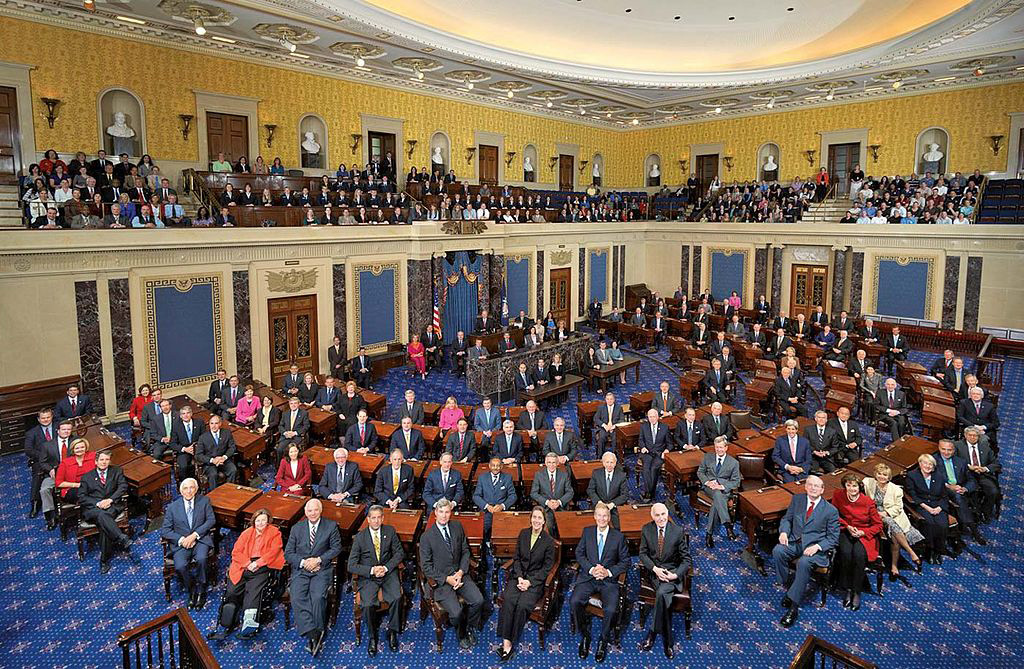
The proposal has already polarized Congress. For supporters, the bill is seen as a symbol of strength and a break from “establishment” norms. For critics, as evidenced by the Senate Democrats’ call for a probe, it represents a move toward personalized governance where national symbols are used to honor individuals rather than ideals.
Comparing the perspectives on the Trump $250 bill
The discourse surrounding the $250 bill reveals a sharp divide in how different entities view the role of national currency. On one side, the proposal is framed as a bold reimagining of American symbols. On the other, it is viewed as a dangerous breach of protocol.
The report from Axios focuses heavily on the political friction—specifically the Democratic reaction and the demand for accountability. In contrast, the coverage from the Winnipeg Sun emphasizes the cultural break from tradition, highlighting how the proposal ignores the historical patterns of the U.S. Mint. Meanwhile, the reporting via Yahoo News Canada focuses on the administrative response, centering on Scott Bessent and the Treasury’s internal handling of the idea.
This contrast shows that the story is not just about a piece of paper, but about three different conflicts: a political battle in the Senate, a cultural battle over tradition, and an administrative battle within the Treasury.
To understand the broader context of currency disputes, readers may find this related explainer on the history of U.S. banknote changes useful.
Common Misconceptions About Currency Changes
There are several common misunderstandings regarding how money is made in the U.S. that apply to this situation:
- Misconception: The President chooses who goes on the money.
Correction: While the President can influence the Treasury Secretary, the process involves the Bureau of Engraving and Printing and often requires broader administrative consensus to ensure the bill is viable for circulation. - Misconception: Adding a new bill causes immediate inflation.
Correction: Changing the denomination of a bill (the face value) does not increase the total amount of money in circulation. It only changes how that money is divided. Inflation is caused by the total money supply, not the size of the individual notes. - Misconception: The $250 bill would be the highest value note.
Correction: The $100 bill remains the highest denomination currently in active circulation. A $250 bill would supersede it, but it would not be the highest value note ever printed in U.S. history.
FAQ: Understanding the Trump $250 Bill Controversy
Is the $250 bill already in production?
No. According to the reports, the bill is currently a proposal. There is no evidence that the Bureau of Engraving and Printing has begun mass production of a $250 note featuring Donald Trump.
Why do Senate Democrats want a probe?
Senate Democrats are concerned that the proposal breaks long-standing traditions of using only deceased historical figures on currency and want to investigate if political pressure was used to bypass Treasury protocols.
What happens if the probe finds irregularities?
A Senate probe can lead to public hearings, requests for internal documents, and potential legislative changes to limit the Treasury’s discretion in choosing currency portraits.
Has the U.S. ever had a $250 bill before?
No. The U.S. has had $100, $500, and $1,000 bills, but a $250 denomination has never been a standard part of U.S. currency.
Who is Scott Bessent?
Scott Bessent is the Treasury Secretary. His role is to manage the nation’s finances and oversee the agencies responsible for printing money, making his response to the $250 bill proposal central to the story.
The situation remains fluid as Senate Democrats continue to push for transparency. The outcome will likely depend on the Treasury Department’s willingness to release internal communications and the political appetite in the Senate for a prolonged investigation into the nation’s currency standards.
