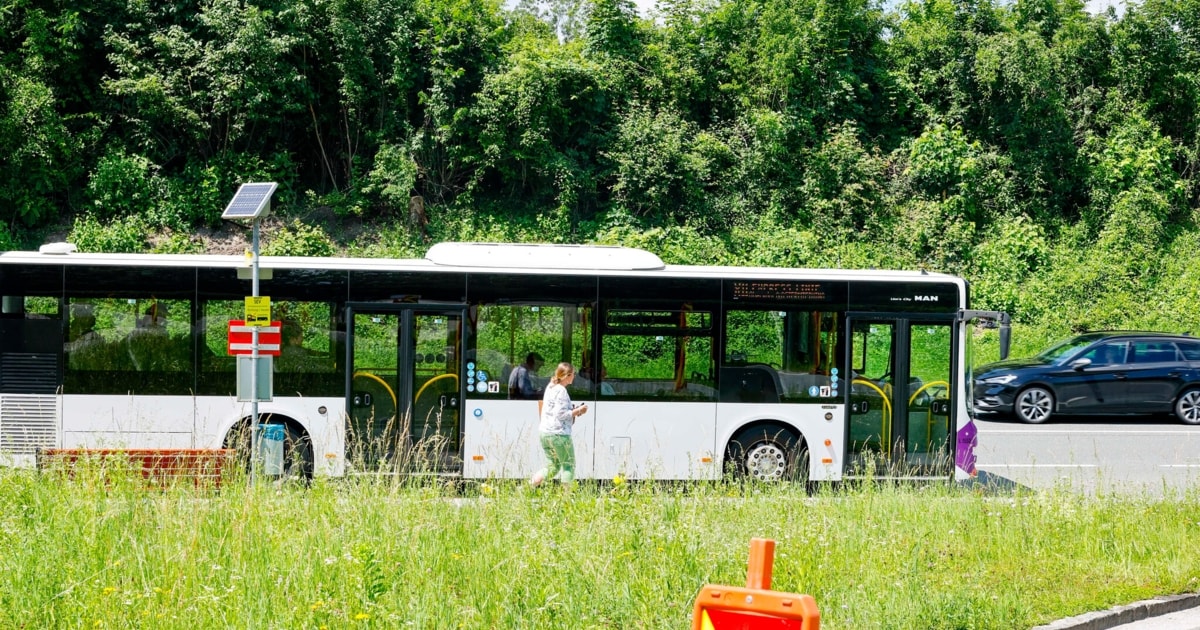
Salzburg commuters face service disruptions as local media reports safety concerns at An der B156 station, with passengers describing the stop as “lebensgefährlich” (“life-threatening”). The Austrian railway operator has confirmed temporary track closures affecting regional routes, impacting thousands of daily travelers in the Flachgau region.
Passenger Concerns Highlight Safety Issues
Residents near the An der B156 station reported structural hazards, including uneven platforms and inadequate lighting, according to Kronen Zeitung. “The stop is dangerous—people could fall into the tracks,” said one commuter, citing multiple near-misses over the past month. The station, located along the Salzburg-Flachgau railway line, has been under scrutiny since a 2022 inspection identified aging infrastructure vulnerabilities.
Summer Construction Plans Cause Disruptions
The Austrian Federal Railways (ÖBB) announced a summer maintenance schedule beginning July 10, which will close sections of the line for upgrades. Salzburger Nachrichten reported that trains will be rerouted through alternative tracks, increasing travel times by up to 40 minutes during peak hours. A spokesperson stated, “The work is necessary to ensure long-term safety and efficiency, but we apologize for the inconvenience.”

Local Businesses Express Frustration
Small businesses in the Flachgau area, reliant on tourist and commuter traffic, have voiced concerns about the disruptions. “We’ve seen a 20% drop in customers since the closures started,” said a café owner in Seekirchen. The Austrian Tourism Board has urged visitors to plan trips in advance, noting that alternative transportation options, including bus replacements, are available.
What’s Next for the Rail Network?
The ÖBB plans to complete the summer upgrades by August 31, with full service resuming on September 1. Officials have also announced a public consultation on permanent infrastructure improvements, scheduled for late August. Meanwhile, local representatives are pushing for accelerated funding to address safety risks at other under-resourced stations across the region.
