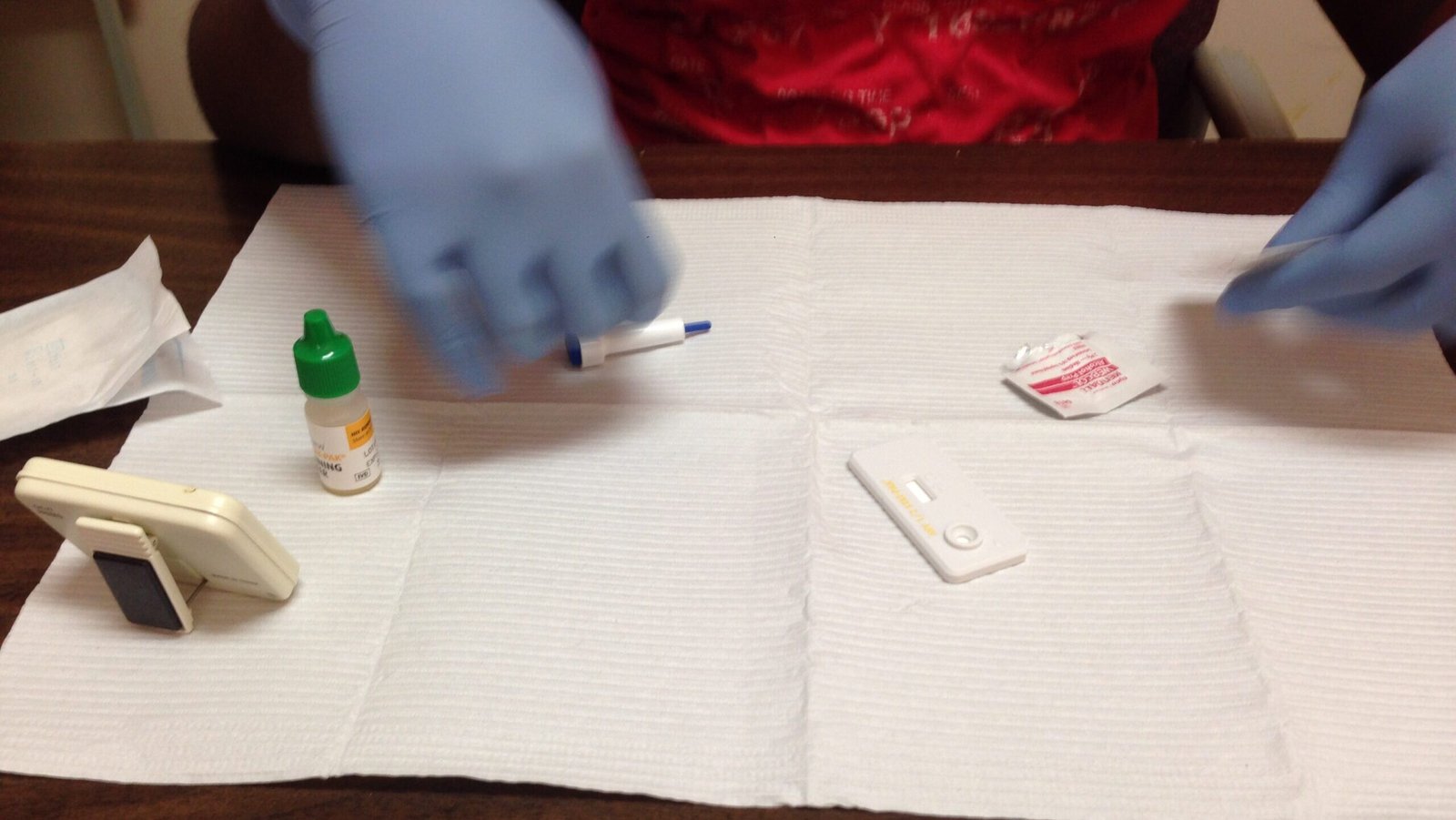
Russia has unveiled an ambitious plan to test one in three of its citizens annually for HIV, aiming to curb the virus’s spread through early detection and treatment.
The initiative, announced by Russian health officials, seeks to significantly increase testing rates across the country’s population of approximately 146 million people. Under the modern strategy, about 48.7 million individuals would undergo HIV screening each year, a substantial jump from current testing levels.
Public health experts note that widespread testing is a cornerstone of HIV prevention strategies, as it allows for earlier diagnosis and linkage to antiretroviral therapy, which not only improves individual health outcomes but also reduces transmission risk.
According to health officials, the expanded testing program will be implemented through various healthcare settings, including primary care clinics, hospitals, and community-based testing sites, with efforts to reach populations at higher risk of HIV infection.
While the specific funding mechanisms and implementation timeline for the program have not been detailed in the announcement, officials emphasized that achieving this scale of testing will require substantial resources and coordination across the national healthcare system.
Health authorities in Russia have been working to address HIV prevalence in recent years, though challenges remain in reaching certain demographic groups and ensuring consistent access to testing and treatment services nationwide.
The announcement reflects a growing recognition among public health officials of the importance of scaling up HIV testing as part of comprehensive prevention and treatment efforts, though the real-world impact of such a large-scale initiative will depend on its execution and sustained commitment.
