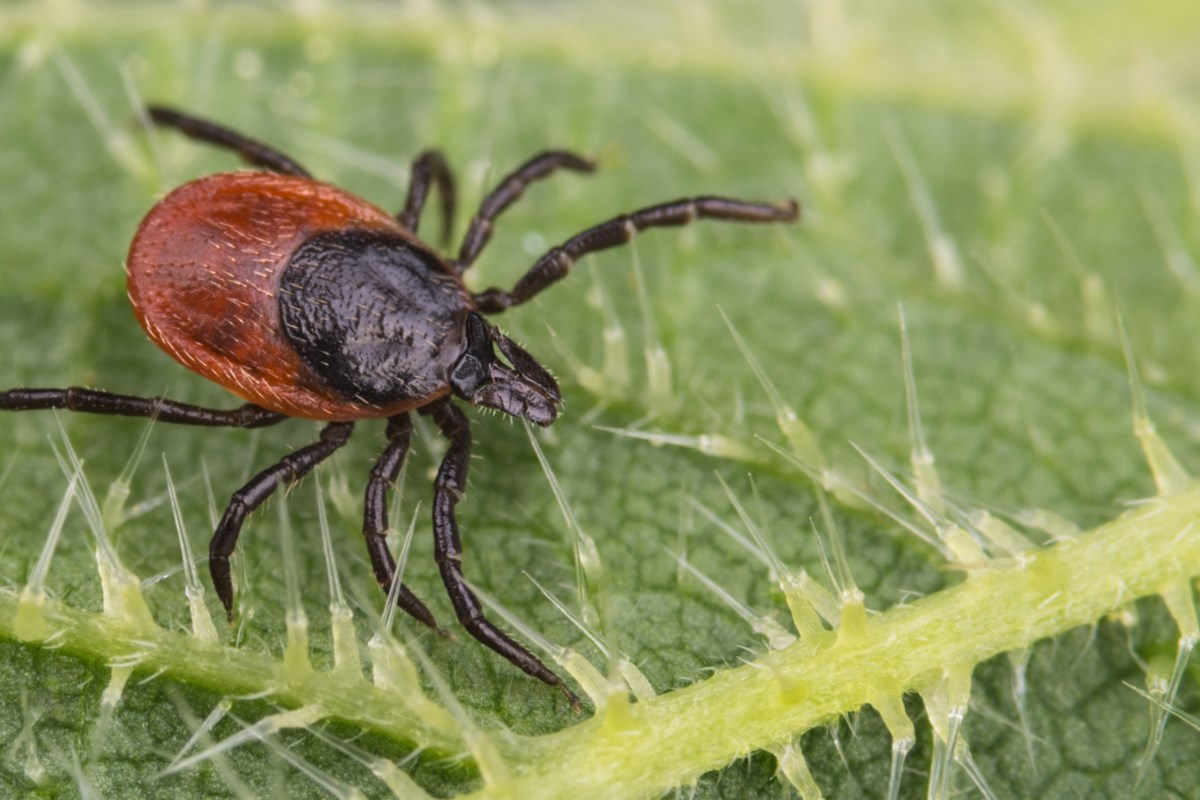
Protect yourself against tick bites this summer: province – SooToday.com
Health authorities across Ontario are warning residents to increase vigilance as confirmed human cases of Lyme disease emerge in the Waterloo Region. According to reports from The Record, officials have identified two confirmed human cases and one probable case of the disease in the region, signaling a heightened risk for those spending time outdoors this summer.
What is the current status of Lyme disease in the Waterloo Region?
The Waterloo Region is currently seeing a rise in Lyme disease activity. While general reports from CTV News and CityNews Kitchener confirm that human cases have been identified, The Record provides more specific data, noting that there are two confirmed cases and one probable case. These findings indicate that the bacteria responsible for Lyme disease are circulating in the local tick population and successfully transmitting to humans.
The presence of these cases suggests that the geographic range of the black-legged tick, the primary vector for Lyme disease, continues to expand or maintain a presence in areas previously considered lower risk. Health officials use these confirmed cases to trigger public awareness campaigns, urging residents to adopt strict preventative measures during the summer months.
Key facts regarding the Waterloo Region reports include:
- Confirmed Cases: Two individuals have tested positive for Lyme disease, according to The Record.
- Probable Cases: One individual is listed as a probable case, pending further clinical confirmation.
- Reporting Outlets: The situation has been tracked by multiple outlets, including CityNews Kitchener and CTV News, emphasizing the regional importance of the outbreak.
How are health units responding to rising tick risks?
In other parts of the province, the approach focuses on preventative education. The Peterborough Examiner reports that the local health unit views awareness and action as the primary tools for addressing the increasing risks associated with ticks. This strategy shifts the focus from reactive treatment to proactive avoidance.
Health units emphasize that because ticks are small and often silent in their approach, the responsibility for prevention falls largely on the individual. The “action” recommended by health officials typically involves a combination of environmental management, personal protective equipment, and post-outdoor inspections.
Awareness and action are cited as the key tools in addressing the rising risks of tick-borne illnesses, according to reports from The Peterborough Examiner regarding health unit guidance.
How can residents protect themselves against tick bites this summer?
To follow the provincial guidance to protect yourself against tick bites this summer: province – SooToday.com, residents should implement a multi-layered defense strategy. Ticks typically quest on the tips of grasses and shrubs, waiting for a host to brush past.
Clothing and Barrier Protection
The most effective way to prevent a bite is to limit the tick’s access to the skin. Health guidelines suggest:
- Wearing long sleeves and pants: Covering the arms and legs reduces the available surface area for ticks to attach.
- Tucking pants into socks: This creates a physical barrier that forces ticks to climb on the outside of the clothing rather than crawling up the leg.
- Choosing light-colored clothing: Ticks are dark-colored; wearing white or tan makes them easier to spot and remove before they reach the skin.
Chemical Deterrents
Repellents provide a chemical barrier that either deters ticks or kills them on contact. The two most common recommendations are:
- DEET: A widely available repellent that masks the scents ticks use to find hosts.
- Permethrin: An insecticide specifically for clothing. Unlike DEET, permethrin is not applied to the skin but is treated onto fabric, where it remains effective through several washes.
Environmental Management
Reducing tick habitats around the home can lower the risk of bites in residential yards. Recommended actions include:
- Mowing grass frequently: Short grass removes the humid environment ticks need to survive.
- Creating gravel or woodchip borders: A 3-foot wide barrier between lawns and wooded areas prevents ticks from migrating into the yard.
- Removing leaf litter: Clearing dead leaves from garden beds eliminates prime hiding spots.
What are the symptoms of Lyme disease and when should you seek help?
Early detection is critical for the successful treatment of Lyme disease. The bacteria, Borrelia burgdorferi, can cause systemic issues if left untreated. According to public health standards, the most recognizable sign is the erythema migrans rash.
The rash typically appears 3 to 30 days after a bite and often resembles a “bullseye,” with a red center surrounded by a clear ring and an outer red ring. However, health officials warn that not everyone develops a rash.
Other Early Symptoms
If a rash does not appear, residents should look for flu-like symptoms, which include:
- Fever and chills
- Severe headache
- Fatigue and muscle aches
- Swollen lymph nodes
Long-term Complications
If the infection is not treated with antibiotics in the early stages, it can spread to the joints, heart, and nervous system. This can lead to joint pain (particularly in the knees), facial palsy, or heart palpitations. These late-stage symptoms require more intensive medical intervention.
| Stage | Common Symptoms | Typical Timeline |
|---|---|---|
| Early Localized | Bullseye rash, mild fever | 3–30 days post-bite |
| Early Disseminated | Joint pain, neurological issues, multiple rashes | Weeks to months post-bite |
| Late Disseminated | Chronic arthritis, cognitive impairment | Months to years post-bite |
How do you properly remove a tick from the skin?
The risk of transmitting Lyme disease increases the longer a tick remains attached. Most experts agree that the bacteria usually require 36 to 48 hours of attachment before transmission occurs. Fast removal is the most effective way to prevent infection.
The Correct Removal Process:
- Use fine-tipped tweezers: Grasp the tick as close to the skin’s surface as possible. Aim for the head, not the body.
- Pull upward with steady pressure: Do not twist or jerk the tick, as this can cause the mouthparts to break off and remain in the skin.
- Clean the area: After removal, clean the bite site and your hands with rubbing alcohol or soap and water.
- Dispose of the tick: Place the tick in alcohol, a sealed bag, or flush it down the toilet. Some people choose to save the tick in a container to show a doctor if symptoms develop.
Common myths about tick removal, such as using nail polish, heat, or petroleum jelly to “smother” the tick, are discouraged by health units. These methods can irritate the tick, causing it to regurgitate fluids into the wound, which may actually increase the risk of infection.
Comparing regional reports on Lyme disease risks
The reporting across different Ontario outlets reveals a difference in how the risk is being communicated. In the Waterloo Region, the focus is on the existence of the threat, with The Record and CityNews Kitchener highlighting specific human cases to alert the public. This creates a sense of immediate local urgency.
Conversely, the reporting from The Peterborough Examiner emphasizes systemic prevention. Rather than focusing on a specific number of cases, the narrative centers on the health unit’s strategy of “awareness and action.” This suggests a broader, more generalized risk in the Peterborough area where the goal is long-term behavioral change rather than reacting to a specific cluster of cases.
While the Waterloo reports provide a concrete data point (2 confirmed, 1 probable), the Peterborough report provides a strategic framework for protection. Together, these reports indicate a provincial trend where Lyme disease is no longer confined to a few “hot spots” but is a widespread concern for any resident spending time in wooded or grassy areas.
For more information on regional health warnings, you may want to read a related explainer on Ontario public health alerts.
Common misconceptions about tick-borne illnesses
Several myths persist regarding how ticks operate and how Lyme disease is contracted. Correcting these is a key part of the “awareness” mentioned by the Peterborough health unit.
Myth: Ticks jump or fly onto hosts
Ticks cannot jump or fly. They use a behavior called “questing,” where they climb to the top of a blade of grass and extend their front legs to grab onto a passing animal or human.

Myth: You can tell if a tick is infected just by looking at it
There is no visual difference between a tick carrying Borrelia burgdorferi and one that is not. The only way to determine if a tick is infected is through laboratory testing, which is not always practical for individual ticks.
Myth: Lyme disease only happens in the deep woods
Ticks are frequently found in suburban backyards, city parks, and along maintained hiking trails. Any area with tall grass or brush can harbor ticks, regardless of how “wild” the environment seems.
Frequently Asked Questions
What should I do if I find a tick but don’t know how long it was attached?
According to general health guidelines, if the tick is removed within 24 hours, the risk of Lyme disease is very low. If the tick is engorged (looks plump and greyish) or if you cannot determine the duration of attachment, monitor the site for 30 days for any rash or flu-like symptoms and consult a healthcare provider.
Can pets bring ticks into the home?
Yes. Dogs and cats often pick up ticks in their fur. It is recommended to perform a “tick check” on pets after they have been outdoors. Using veterinarian-approved tick preventatives for pets not only protects the animal but also reduces the number of ticks entering the home.
Is there a vaccine for Lyme disease for humans?
Currently, there is no widely available human vaccine for Lyme disease in Canada. Prevention relies entirely on avoiding bites and early treatment with antibiotics if an infection occurs.
Are all tick bites dangerous?
No. Not all ticks carry the Lyme bacteria, and not all ticks that carry the bacteria successfully transmit it to a human. However, because the consequences of untreated Lyme disease are severe, every bite should be treated with caution.
How long does the bullseye rash last?
The erythema migrans rash can last for several weeks. It may expand slowly over time. If you notice a red spot that grows in size, it is a strong indicator of Lyme disease and requires immediate medical attention.
For further guidance on managing outdoor risks, see our guide to summer safety in Ontario.
