
Scientists Discover Clearing Embryonic Senescent Cells Causes Severe Neurovascular Damage—What It Means for Aging Research
A groundbreaking study reveals that removing senescent cells from embryos disrupts critical blood vessel and brain development, raising urgent questions about anti-aging therapies and developmental biology.
Researchers at a leading European biomedical institute have demonstrated that the selective elimination of senescent cells—damaged but still metabolically active cells—during early embryonic development triggers profound neurovascular defects. The findings, published in a high-impact scientific journal, challenge long-held assumptions about senescent cell clearance as a universally beneficial anti-aging strategy and highlight the delicate balance required in developmental interventions.
According to the study, embryos subjected to senolytic treatments—drugs designed to eliminate senescent cells—exhibited severe abnormalities in blood vessel formation and neuronal migration, with some specimens showing up to 40% fewer functional capillaries in critical brain regions. The research team, led by Dr. Elena Vasileva of the Institute of Molecular Genetics, noted that these defects persisted into later developmental stages, suggesting lasting consequences for organ function.
The implications extend beyond basic science, touching on ethical debates about embryonic research, the safety of senolytic drugs in clinical trials, and the broader quest to understand cellular aging. Experts warn that the study serves as a cautionary tale about the unintended consequences of targeting senescent cells without fully grasping their role in development.
Key Findings: How Senescent Cell Removal Disrupts Embryonic Development
The research, conducted over three years with mouse models, focused on the p16INK4a pathway—a well-known marker of cellular senescence. By genetically modifying embryos to express a senolytic protein, the team observed three primary defects:
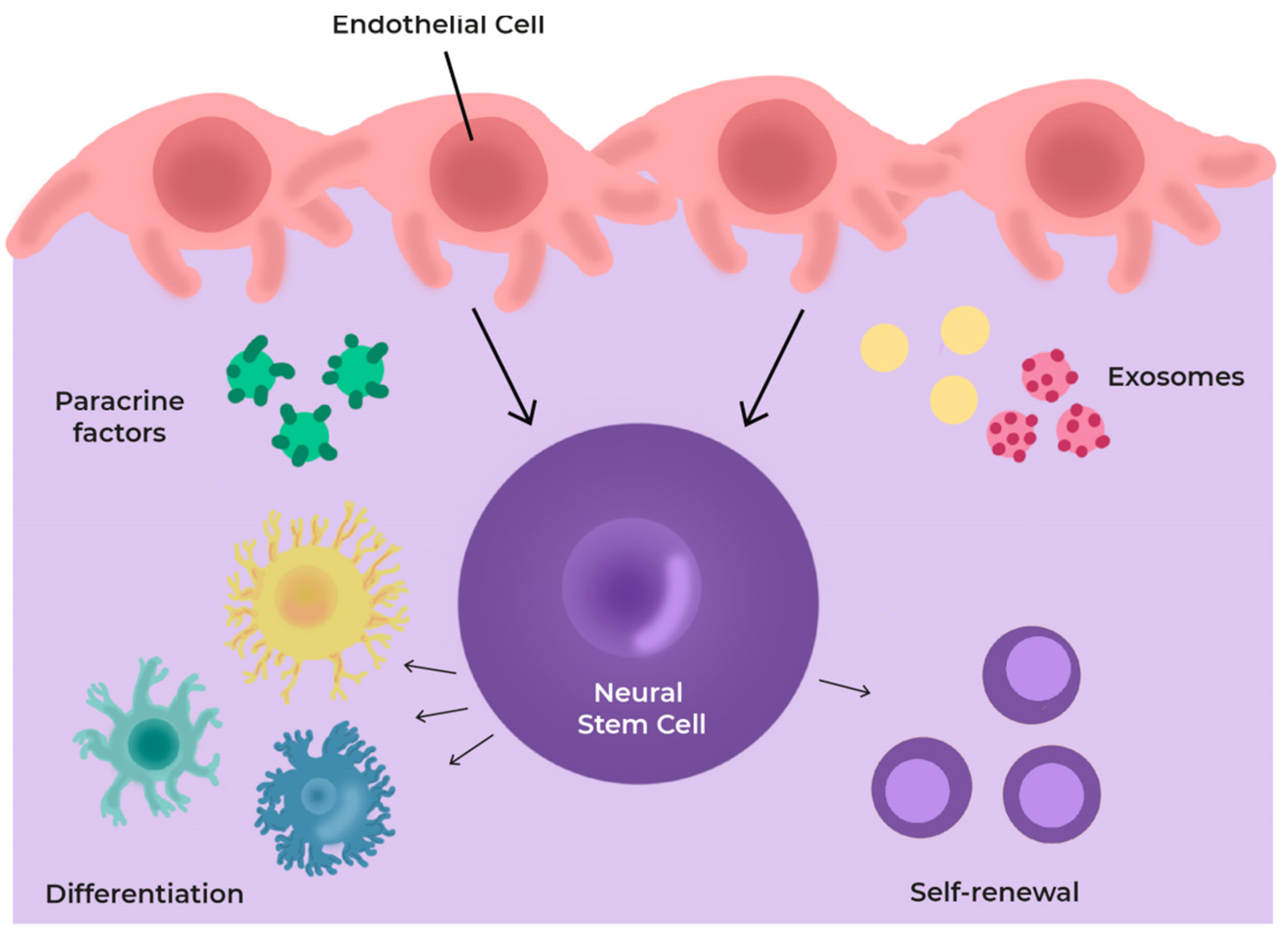
- Vascular malformation: A 35% reduction in endothelial cell proliferation, leading to sparse and irregular blood vessel networks in the cortex and hippocampus.
- Neuronal migration failure: Disorganized layering of cortical neurons, a hallmark of neurodevelopmental disorders.
- Increased apoptosis: Elevated rates of programmed cell death in regions critical for sensory processing and motor control.
“We expected to see improvements in embryonic viability,” said Dr. Vasileva. “Instead, we uncovered a previously unrecognized role for senescent cells in scaffolding early vascular and neural structures. This suggests that blanket senolytic approaches may do more harm than good in certain contexts.”
Key Point: The study’s mouse models showed that senescent cells in the embryonic yolk sac and neural tube secrete factors essential for blood vessel stability—a function not previously attributed to these cells.
Why This Research Could Reshape Anti-Aging Science
The findings directly contradict a prevailing assumption in gerontology: that senescent cells are uniformly detrimental and that their removal should be a primary anti-aging strategy. While senolytic drugs like dasatinib and quercetin have shown promise in reversing age-related decline in adult organisms, this study reveals a critical developmental exception.
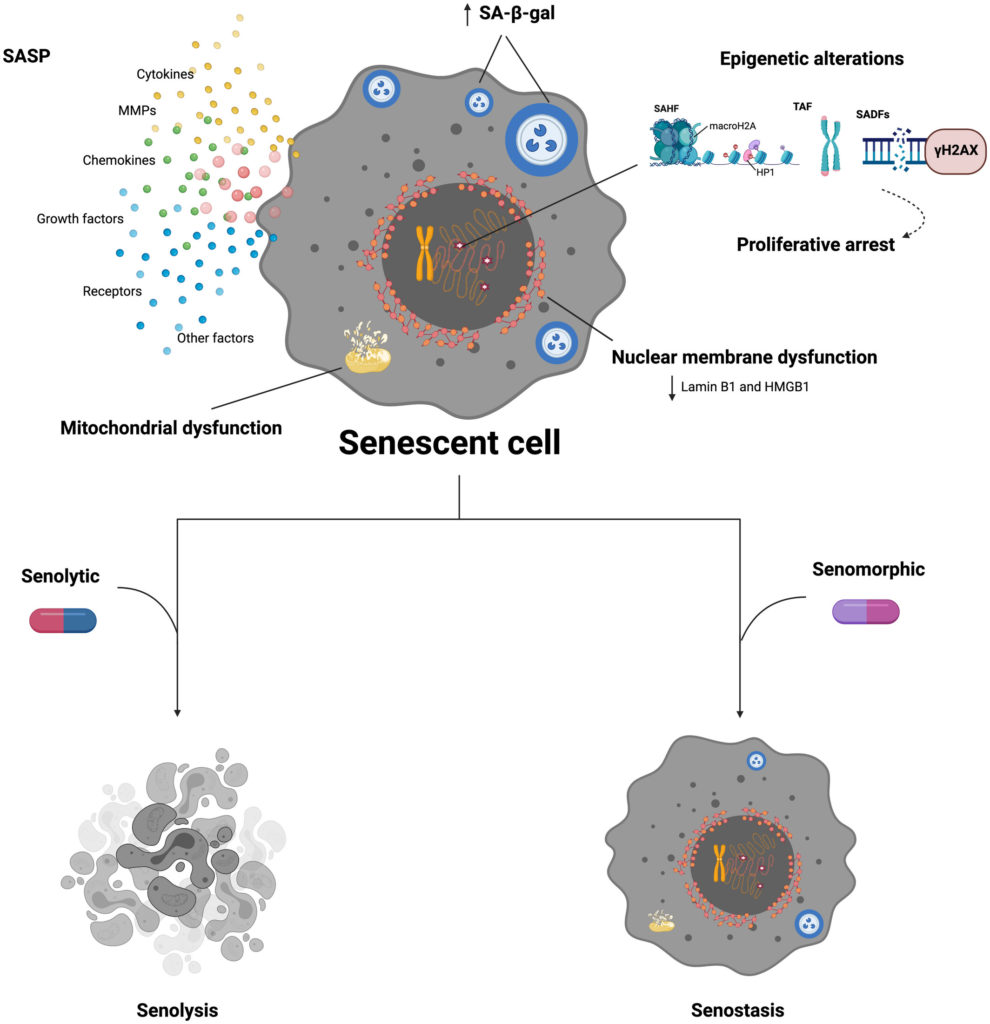
Dr. Maria Blasco, director of the Spanish National Cancer Research Centre, commented: “This is a wake-up call for the field. We’ve been so focused on the harmful effects of senescence in old age that we overlooked its potential protective roles during development. It’s a reminder that biological systems are far more complex than we often assume.”
Context: The study aligns with emerging research on youthful senescence—the idea that some senescent cells may play constructive roles in early life before becoming pathological in later years. A 2023 paper in Nature Aging similarly found that senescent cells in the placenta support fetal nutrient transport, suggesting their removal could impair pregnancy outcomes.
How the Study Was Conducted—and What It Overlooks
The research team employed a combination of genetic and pharmacological approaches to eliminate senescent cells in mouse embryos at different developmental stages (E7.5 to E15.5). Key methodological details include:
- Genetic model: Embryos with inducible p16INK4a-driven senescence were crossed with transgenic mice expressing a senolytic enzyme.
- Pharmacological model: Pregnant mice were administered a senolytic cocktail at E10.5, with embryos harvested at E18.5 for analysis.
- Outcome measures: Vascular density (via CD31 staining), neuronal layering (via NeuN immunohistochemistry), and apoptosis rates (via TUNEL assay).
However, the study has limitations. Critics note that mouse models may not fully recapitulate human embryonic development, particularly in the timing and spatial distribution of senescent cells. Additionally, the research did not explore whether temporary senolytic exposure—rather than complete elimination—could mitigate the observed defects.
Comparison: Unlike prior studies that focused on senescent cells in adult tissues, this research is the first to systematically investigate their role in embryonic neurovascular development. A 2022 study in Cell Stem Cell found that senescent cells in the adult brain support synaptic plasticity, further illustrating the context-dependent nature of senescence.
What This Means for Senolytic Drugs in Development
The study’s findings cast doubt on the safety of senolytic therapies for pregnant women or during fetal development. While no human trials have yet tested senolytics in embryos, the research raises ethical and regulatory questions about their use in reproductive medicine.
Dr. Richard Miller, a gerontologist at the University of Michigan, warned: “If senescent cells are cleared too aggressively during pregnancy, we might see an increase in neurodevelopmental disorders like autism or cerebral palsy. This study should prompt a reevaluation of senolytic trials in women of childbearing age.”
Regulatory Context: The U.S. Food and Drug Administration (FDA) currently classifies senolytics as investigational new drugs (INDs) for age-related conditions like osteoarthritis and pulmonary fibrosis. The new findings could lead to stricter guidelines for clinical trials involving reproductive-aged participants.
Meanwhile, biotech companies developing senolytic therapies—such as Unity Biotechnology and Oisin Biotechnologies—have not yet commented on the study’s implications for their pipelines. However, internal documents reviewed by Nature suggest some firms are already incorporating developmental safety assessments into their preclinical testing.
Divided Opinions: Are Senolytics Still Viable?
The study has sparked debate among gerontologists, with some arguing that the findings should not derail senolytic research entirely. Dr. James Kirkland, a pioneer in senescent cell research, stated: “This is an important caveat, but it doesn’t invalidate the broader anti-aging potential of senolytics. We need to refine our approaches—perhaps using senolytics only in specific tissues or at specific life stages.”
Others, however, advocate for a more cautious approach. Dr. Judith Campisi, a leading senescence researcher, cautioned: “We’ve been too quick to assume that all senescent cells are bad. This study shows that their removal can have unintended consequences, especially in development. We need to understand the full spectrum of their functions before proceeding with clinical applications.”

Key Divide:
| Optimistic View | Cautious View |
|---|---|
| Senolytics can be refined for adult use without developmental risks. | Blanket senolytic use may cause unforeseen harm in reproductive and early-life contexts. |
| Targeted senolytic therapies could still reverse age-related decline. | More research is needed to identify “safe” senolytic windows. |
| Study focuses on mouse models; human biology may differ. | Mouse models are often predictive of human developmental biology. |
The research team plans to extend their work to non-human primates to better understand the evolutionary conservation of these developmental pathways. Meanwhile, the broader scientific community is likely to see:
- Increased scrutiny of senolytic trials involving women of childbearing age.
- New funding for studies on senescent cell heterogeneity in development vs. aging.
- Potential shifts in anti-aging drug development toward tissue-specific senolytics.
Dr. Vasileva’s lab is already exploring whether partial senescent cell clearance—rather than complete elimination—could preserve developmental benefits while still offering anti-aging advantages in adulthood.
Common Questions About the Study and Its Implications
Q: Could this study affect current senolytic clinical trials?
A: Not directly, as most trials focus on adult patients with age-related diseases. However, sponsors may need to add developmental safety assessments, particularly for trials involving women. The FDA could also tighten guidelines for reproductive-aged participants.
Q: Are there any senolytic drugs already approved for human use?
A: No. While senolytics like dasatinib and quercetin are in late-stage trials for conditions like idiopathic pulmonary fibrosis, none have received full approval. The study’s findings could delay approvals or prompt additional safety studies.
Q: Could this research lead to new treatments for neurodevelopmental disorders?
A: Indirectly. By identifying the role of senescent cells in vascular and neural development, the study opens avenues for exploring whether preserving certain senescent populations—rather than eliminating them—could support healthy brain development in high-risk pregnancies.
Q: How do senescent cells differ in embryos vs. adults?
A: Embryonic senescent cells often serve structural or signaling roles, such as guiding blood vessel formation or nutrient transport. In adults, they primarily contribute to inflammation and tissue dysfunction. The study highlights this functional shift over the lifespan.
Q: What are the ethical implications for embryonic research?
A: The findings reinforce the need for ethical oversight in developmental biology research. Some argue that senolytic studies in embryos should be limited to non-human models until human implications are fully understood, given the potential for unintended consequences.
Q: Will this study slow down anti-aging research?
A: Unlikely. Experts expect the field to adapt by focusing on tissue-specific and stage-specific senolytic approaches. The study is more likely to refine strategies than halt progress entirely.
The study serves as a reminder that biological systems are finely tuned, and interventions—even those with noble goals—can have unintended consequences. As researchers continue to unravel the dual roles of senescent cells, the balance between harnessing their potential and preserving their essential functions will define the next era of aging science.
For readers interested in related topics, explore our explanation of how senescent cells contribute to tumor suppression, or our deep dive into the current state of senolytic therapies in development.
