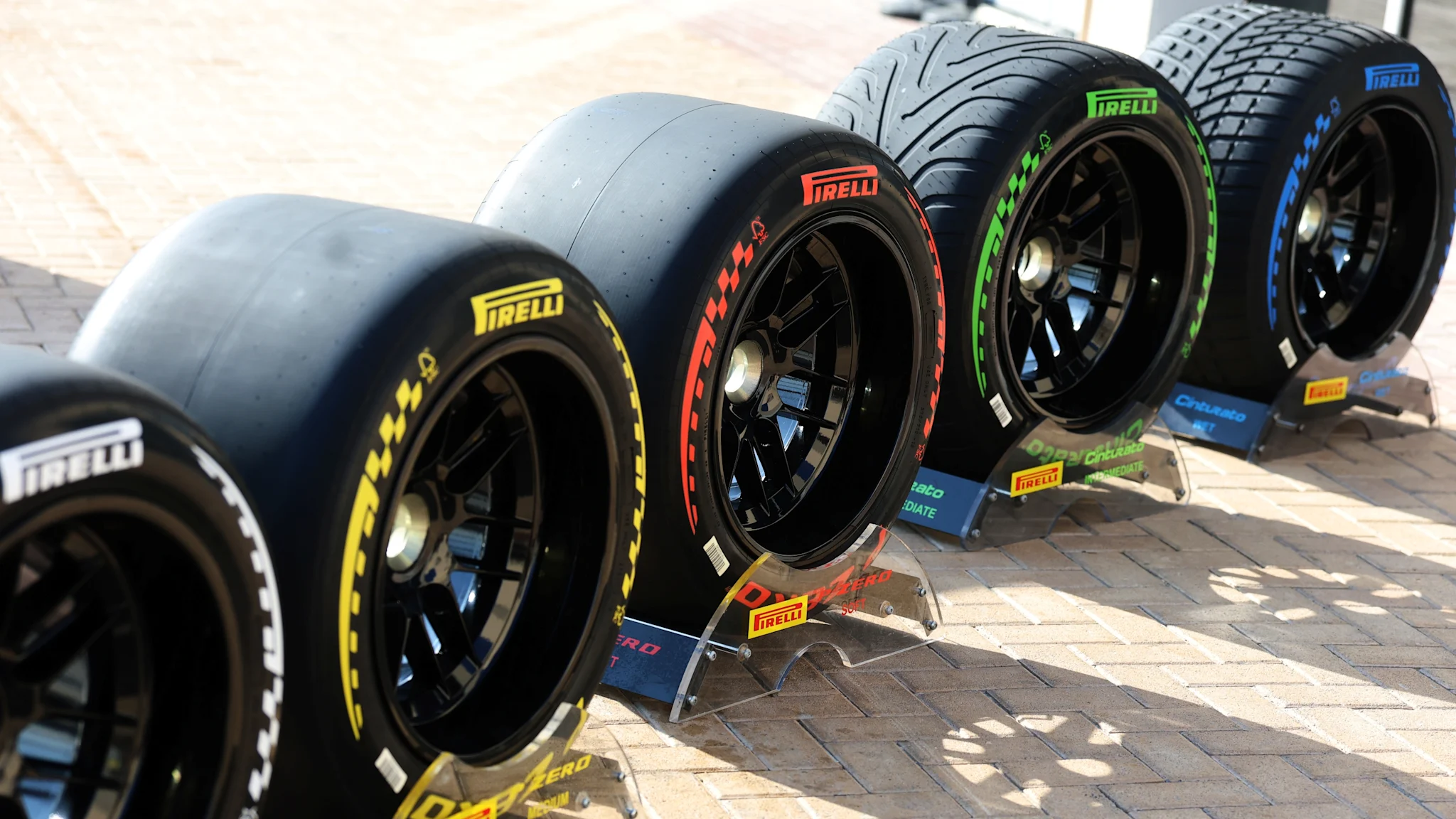
Pirelli to Remain Exclusive F1 Tyre Supplier Until 2028 – Formula 1
Formula 1 and the FIA have confirmed that Pirelli will remain the exclusive tyre supplier for the championship until 2028. This extension ensures a consistent technical partner as the sport prepares for the 2026 engine and chassis overhaul, according to official announcements from Formula 1 and the FIA.
The agreement resolves uncertainty regarding the sport’s rubber procurement for the next several seasons. According to reports from Motorsport.com and racingnews365.com, the extension secures Pirelli’s role through the end of the 2028 season, providing a stable foundation for both the teams and the governing body as they navigate a period of significant regulatory transition.
Why did Formula 1 extend the contract with Pirelli?
The decision to extend the partnership rests primarily on the need for technical continuity. As reported by Crash.net, the FIA’s announcement clarifies that resolving the tyre supplier situation now allows the sport to focus on the 2026 technical regulations without the volatility of a tender process or a change in manufacturers.
A change in tyre suppliers often introduces unpredictable variables into car development. By keeping Pirelli, Formula 1 avoids the risk of “tyre lottery” scenarios where a new supplier’s compounds might disproportionately favor certain chassis designs. This stability is critical for the teams, who are currently investing millions into the 2026 car concepts.
The exclusive supplier model, which Pirelli has anchored for years, serves several strategic purposes for the FIA and Formula 1:
- Cost Control: A single supplier prevents “tyre wars,” where manufacturers spend exorbitant sums to gain a competitive edge, which in turn forces teams to spend more on chassis development to match those tyres.
- Sporting Consistency: Every driver on the grid uses the exact same compound specifications for a given race, ensuring that the result is determined by driver skill and car setup rather than tyre brand advantage.
- Logistical Efficiency: Coordinating the transport of thousands of tyres to 24 different countries is a massive undertaking. According to GPblog, maintaining a long-term contract allows Pirelli to optimize its global supply chain.
What does the 2028 extension mean for the 2026 technical regulations?
The most significant implication of the Pirelli to remain exclusive F1 tyre supplier until 2028 – Formula 1 announcement is the alignment with the 2026 regulation shift. The 2026 rules will introduce a new power unit formula and a redesigned chassis intended to be lighter and more agile.

These changes mean that the tyres used from 2021 to 2025 will not be compatible with the 2026 cars. Pirelli must now develop a completely new range of tyres tailored to these specific requirements. This development process involves years of simulation and physical testing.
The transition to 2026 requires a total redesign of the tyre’s structural integrity to handle new aerodynamic loads and different weight distributions of the next-generation cars.
Key technical goals for the 2026 tyre development include:
- Weight Reduction: Aligning with the FIA’s goal to reduce overall car weight.
- Sustainability: A continued push toward using more sustainable and bio-based materials in the rubber compounds.
- Performance Balance: Ensuring the tyres can handle the increased electrical deployment of the new hybrid power units without excessive degradation.
By securing Pirelli until 2028, the FIA ensures that the company responsible for the 2026 tyres will also be the one to refine them in 2027 and 2028, preventing a scenario where a new supplier takes over just as the 2026 tyres are reaching their peak development.
How does the exclusive supplier model affect F1 competition?
The shift to a sole supplier changed the fundamental nature of Formula 1 strategy. In previous eras, such as the early 2000s, the “tyre war” between Bridgestone and Michelin often decided the championship. A team with the “wrong” tyre for a specific track could be seconds off the pace regardless of their car’s performance.
Under the current Pirelli exclusive deal, the competition has shifted from who has the best tyre to who can manage the existing tyres most effectively. This has introduced the concept of “tyre management” as a primary driver skill.
| Feature | Tyre War Era (Multi-Supplier) | Exclusive Era (Pirelli) |
|---|---|---|
| Competitive Edge | Derived from manufacturer-specific rubber | Derived from tyre management and strategy |
| Cost | High (R&D wars between brands) | Controlled (Fixed supply contracts) |
| Strategy | Based on which brand lasted longer | Based on compound choice (Soft/Medium/Hard) |
| Stability | Volatile (Brand shifts during season) | Predictable (Unified specifications) |
Critics of the sole supplier model argue that it removes a layer of technical competition. However, the FIA maintains that the current system prioritizes the “sporting” aspect of the race. When every team struggles with the same “graining” or “blistering” issues, the focus remains on how the engineers solve the problem through suspension tuning and aero adjustments.
The logistical challenge of the F1 calendar
Maintaining an exclusive supply for a global series is a logistical feat that few companies can manage. As the F1 calendar has expanded to include more races—often exceeding 23 events per year—the pressure on Pirelli has increased.
The company must manage the production, shipping, and on-site maintenance of thousands of tyres. This includes the use of massive “tyre hotels” (heated garages) to keep the rubber at optimal temperatures before they are fitted to the cars. Any failure in this supply chain would effectively cancel a Grand Prix.
The extension until 2028 provides Pirelli with the long-term visibility needed to invest in these logistical assets. This includes the specialized transport aircraft and sea freight contracts required to move equipment between fly-away races in Asia, North America, and the Middle East.
For those interested in how F1 manages its global footprint, a related explainer on F1 logistics provides more detail on the movement of the “circus” between continents.
Pirelli’s historical role in the modern F1 era
Pirelli’s relationship with Formula 1 has been defined by a constant push-and-pull between the teams, the FIA, and the manufacturer. Since taking over as the sole supplier, Pirelli has had to balance the desire for “spectacle” (tyres that degrade to force pit stops) with the need for “safety” (tyres that do not fail catastrophically).
The company has faced significant scrutiny in the past, most notably during the 2013 season when several tyre failures led to emergency changes in tyre pressures and specifications. However, the manufacturer has since evolved its approach, working closely with the FIA to create a range of compounds that provide a predictable but challenging performance curve.
Key Milestones in the Pirelli-F1 Partnership
- Introduction of the Sole Supplier Model: The move to end tyre wars to control costs and increase sporting fairness.
- The 18-Inch Transition: In 2022, Pirelli led the shift from 13-inch to 18-inch wheels, which fundamentally changed the look of the cars and the way the tyres interact with the ground.
- Sustainability Initiatives: The ongoing development of tyre compounds that reduce the environmental impact of rubber production.
Addressing common misconceptions about F1 tyres
There is often a misunderstanding regarding how the “exclusive” nature of the contract works. Many fans believe that because Pirelli is the only supplier, the tyres are “static” and do not change. In reality, the compounds are in a state of constant evolution.
Misconception: The “Soft” tyre is the same at every race.
In truth, Pirelli produces a wide range of compounds. The “Soft” tyre used at Monaco is physically different from the “Soft” tyre used at Silverstone. They are labeled C1 through C5, with C1 being the hardest and C5 the softest. The FIA and Pirelli select three of these five for each race weekend.
Misconception: Teams have no influence over the tyres.
While teams cannot change the rubber compound, they provide massive amounts of data to Pirelli. This feedback informs how Pirelli develops the next generation of tyres. The 2026 development cycle will rely heavily on data from the current grid to ensure the new rubber can withstand the loads of the new car designs.
Misconception: A new supplier would automatically make the racing better.
While a tyre war might bring more technical innovation, it often leads to “unfair” advantages. If one brand produces a tyre that is vastly superior on a specific track, the race becomes a procession. The current exclusive model ensures that the “tyre offset” (the difference in performance between compounds) is engineered to create strategic variety.
Strategic outlook through 2028
The road to 2028 is now clearly mapped. The next three years will be a period of intense preparation for the 2026 regulations, followed by two years of refinement. This timeline is standard for major F1 regulation shifts, as the first year of a new era is typically characterized by “teething problems” and unexpected technical failures.
By removing the question of who will supply the tyres, the FIA has eliminated one of the biggest variables in the sport’s planning. The focus now shifts to the actual performance of the 2026 rubber. If Pirelli can successfully deliver a tyre that complements the new, lighter chassis and the high-torque electric power units, the extension will be viewed as a success for both the sport and the manufacturer.
Industry analysts suggest that this stability is also a signal to other partners. When a major technical pillar like the tyre supplier is secured long-term, it encourages other sponsors and technical partners to commit to the sport, knowing that the regulatory framework is stable.
FAQ: Pirelli and Formula 1 Tyre Supply
When does the new Pirelli contract end?
According to the official announcement, Pirelli will remain the exclusive tyre supplier for Formula 1 until the end of the 2028 season.
Will there be new tyres for the 2026 season?
Yes. Because the 2026 regulations introduce a new chassis and power unit, Pirelli must develop a new range of tyres specifically designed for those cars.
Why doesn’t F1 have multiple tyre suppliers?
The FIA uses a sole supplier model to keep costs down and ensure that the competition is based on car design and driver skill rather than which manufacturer has the best rubber for a specific track.
Who decided to extend the Pirelli contract?
The extension was coordinated between Formula 1 and the FIA, the governing body of the sport.
Does this mean the tyre compounds won’t change until 2028?
No. Pirelli continues to update and refine its compounds every season based on team feedback and track requirements, regardless of the length of the overall supply contract.
