
The Philippines Faces a Protracted Battle with China Over Territorial Disputes, Defense Official Says
In a recent interview with a major international news outlet, the Philippines’ defense secretary warned of a prolonged confrontation with China over contested maritime and land territories. The statement underscores deepening tensions in the South China Sea, a region already fraught with competing claims and strategic rivalries. This article delves into the complexities of the dispute, the implications for regional stability, and the broader geopolitical dynamics shaping this conflict.
The Escalating Rhetoric and Strategic Implications
The defense secretary’s remarks reflect a growing recognition of the challenges posed by China’s assertive actions in the South China Sea. While the statement did not detail specific military strategies, it signaled a shift toward long-term preparedness. Analysts suggest this aligns with the Philippines’ efforts to balance its security needs amid shifting alliances and regional power dynamics.
Historically, the dispute has centered on the Spratly and Paracel Islands, which both nations claim. China’s expansive “nine-dash line” map, which encircles most of the South China Sea, has been a focal point of contention. The Philippines, supported by international legal frameworks, has consistently challenged these claims, particularly after the 2016 Permanent Court of Arbitration ruling that invalidated China’s historical assertions.
Key Stakeholders and Their Positions
The conflict involves multiple layers of stakeholders, including regional powers, international bodies, and local communities. China’s government maintains that its claims are based on historical rights, while the Philippines emphasizes legal precedents and the importance of free navigation in international waters. The United States, though not a direct claimant, has expressed support for the Philippines under the Mutual Defense Treaty, further complicating the geopolitical landscape.
Local authorities in the Philippines have also played a role, with recent developments in disputed islands like Pag-asa and Lawak drawing attention. These areas, part of the Kalayaan Island Group, are seen as critical for both strategic and economic reasons, including access to fisheries and potential natural resources.
Historical Context and Legal Battles
The roots of the dispute trace back decades, with overlapping claims dating to the mid-20th century. The 2016 arbitration case, initiated by the Philippines, marked a pivotal moment. The tribunal ruled in favor of Manila, rejecting China’s “nine-dash line” as inconsistent with international law. However, China has consistently rejected the ruling, asserting its sovereignty over the disputed areas.
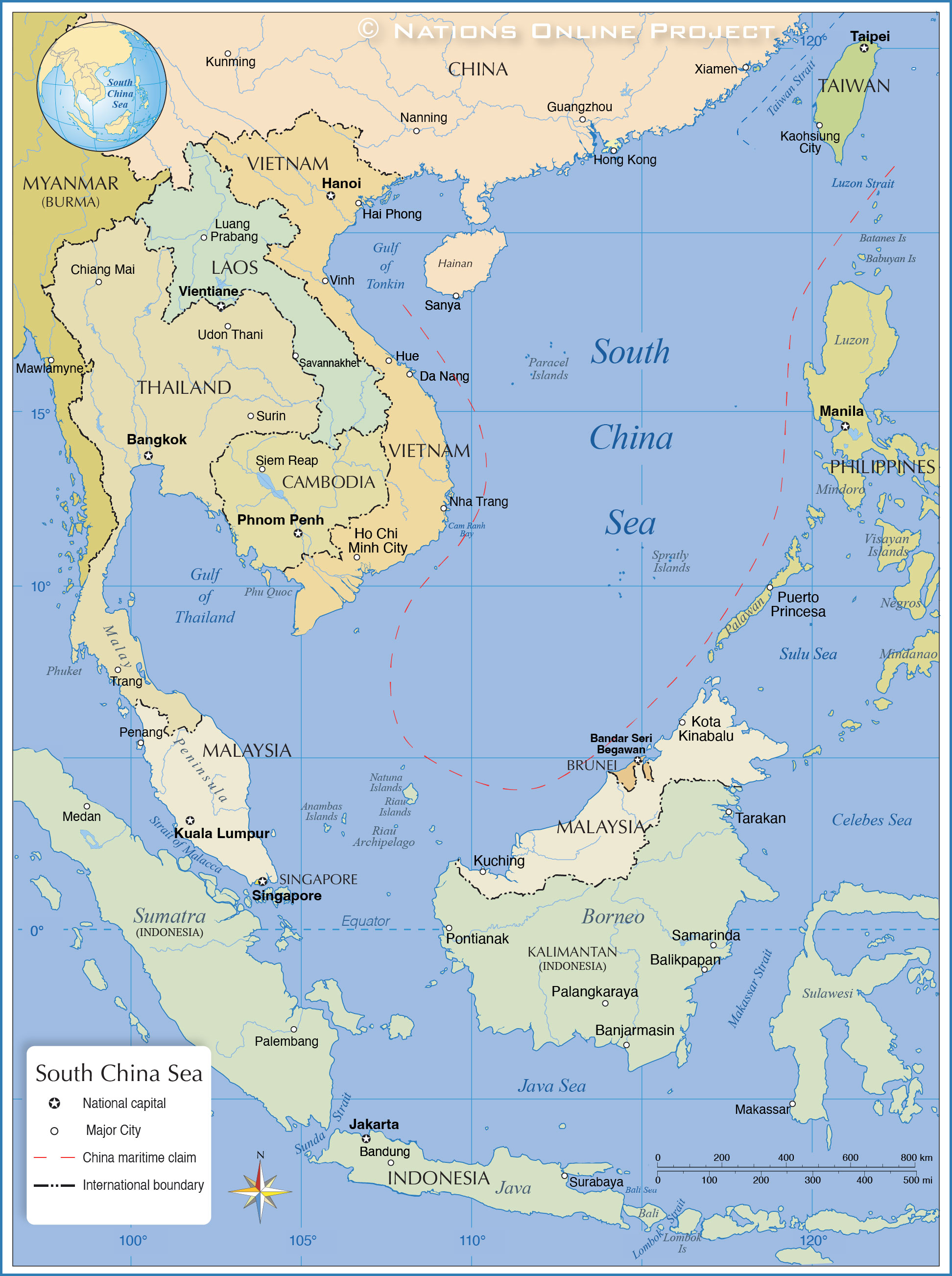
This legal standoff has not resolved the underlying tensions. Instead, it has fueled a cycle of diplomatic friction and military posturing. China’s continued island-building activities in the South China Sea, including the construction of artificial islands with military infrastructure, have been widely criticized by the international community.
Economic and Environmental Concerns
The South China Sea is not only a strategic hotspot but also a vital economic zone. We see home to some of the world’s most productive fishing grounds and is believed to hold significant oil and gas reserves. The Philippines, as a coastal nation, has a vested interest in preserving these resources and ensuring sustainable management practices.
Environmental concerns further complicate the issue. The region’s ecosystems, including coral reefs and marine biodiversity, face threats from overfishing, pollution, and the environmental impact of island reclamation projects. Conservationists argue that the conflict risks exacerbating these challenges, endangering both local livelihoods and global environmental health.
Regional and Global Reactions
The dispute has drawn attention from neighboring ASEAN nations, many of which have their own territorial claims in the South China Sea. While some countries have pursued diplomatic solutions, others have adopted a more cautious approach, balancing their relationships with China against their strategic interests. The Association of Southeast Asian Nations (ASEAN) has been working on a code of conduct to manage disputes, but progress has been slow.
Internationally, the conflict has become a flashpoint for debates over the rules-based international order. The United States, under both Democratic and Republican administrations, has emphasized the importance of freedom of navigation operations (FONOPs) to challenge what it describes as excessive maritime claims. Meanwhile, other global powers, including Russia and India, have taken a more neutral stance, prioritizing economic ties with China over direct intervention.
The Role of Information Warfare
Recent developments highlight the growing importance of information warfare in the dispute. Both the Philippines and China have engaged in efforts to shape public perception through media campaigns, social media outreach, and diplomatic messaging. This “info war” has intensified as both sides seek to bolster domestic support and influence international opinion.

For example, Philippine officials have emphasized the legal validity of their claims, while Chinese state media has portrayed the country’s actions as provocative and destabilizing. This narrative battle is not merely symbolic; it has real-world implications for how the conflict is perceived and managed on the global stage.
Challenges and Pathways Forward
The Philippines faces significant challenges in navigating this complex landscape. Its military capabilities, while improving, remain limited compared to China’s vast resources. The country has sought to strengthen its defense partnerships, including through joint exercises with the United States and other regional allies. However, these efforts must be balanced against the risk of further escalating tensions.
Diplomatic solutions remain a priority, but achieving consensus is fraught with difficulties. The Philippines has called for multilateral dialogue, while China has advocated for bilateral negotiations. The lack of a unified ASEAN stance has also hindered progress, as member states prioritize their individual interests over collective action.
Looking Ahead: A Long-Term Struggle
The defense secretary’s comments underscore the reality that this conflict will likely persist for
