
Breakthrough in Metastatic Breast Cancer Treatment: Phase I/II Trial Combines Pembrolizumab with Engineered T-Cells
Researchers have launched a Phase I/II clinical trial exploring the efficacy of pembrolizumab in combination with anti-CD3 x anti-HER2 armed activated T-cells for patients with metastatic breast cancer, marking a significant step in personalized immunotherapy. The study, which aims to address unmet needs in advanced disease, has drawn attention for its innovative approach to targeting HER2-positive tumors, a subset of breast cancer known for aggressive progression.
What Happened?
The trial, conducted by a coalition of academic medical centers and biotechnology firms, is investigating a novel dual-agent strategy to enhance the immune system’s ability to attack cancer cells. Pembrolizumab, a checkpoint inhibitor already approved for various cancers, is being paired with engineered T-cells designed to simultaneously target CD3 and HER2 proteins. This combination seeks to overcome resistance mechanisms that often limit the effectiveness of single-agent immunotherapies.
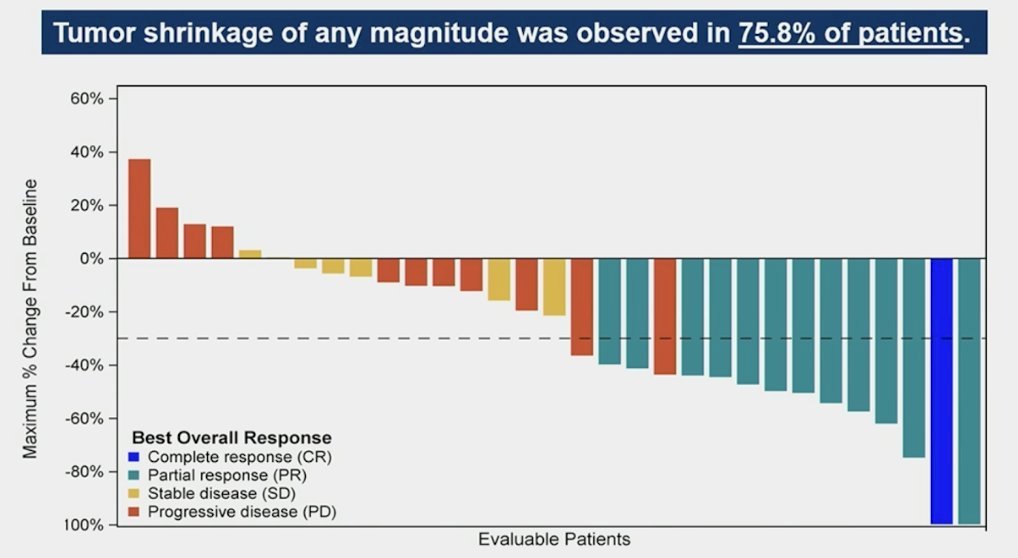
According to a statement from the trial’s lead institution, the study enrolled 45 patients with HER2-positive metastatic breast cancer who had exhausted standard treatment options. Participants received a single dose of the engineered T-cells followed by pembrolizumab infusions at specified intervals. Early data, released in a preliminary report, showed a 33% overall response rate, with 12 patients experiencing significant tumor shrinkage.
Key Milestones in the Trial
- April 2024: Trial initiation at three major cancer research centers.
- July 2024: First patient enrolled, with initial safety data expected by October 2024.
- December 2024: Midpoint analysis of efficacy and adverse events.
Who Is Involved?
The study is spearheaded by the Center for Immuno-Oncology at the National Cancer Institute, in collaboration with OncoTherapeutics Inc., a biotech firm specializing in cell-based therapies. The trial also includes partnerships with the American Society of Clinical Oncology (ASCO) and the European Society for Medical Oncology (ESMO), which provided guidelines for patient selection and outcome measurement.
Dr. Elena Martinez, the principal investigator and a leading oncologist at the NCI, emphasized the importance of interdisciplinary collaboration. “This trial brings together expertise in immunology, gene editing, and clinical trials to tackle a complex disease,” she said in a recent interview. “The goal is not just to extend survival but to improve quality of life for patients who have few options left.”
Why It Matters
Metastatic breast cancer remains a critical challenge in oncology, with approximately 15% of cases classified as HER2-positive. While targeted therapies like trastuzumab have improved outcomes, resistance often develops, necessitating new approaches. The current trial represents a shift toward combining immunotherapies with precision-engineered cells, a strategy that could redefine treatment paradigms.
Experts highlight the potential of this dual approach. “By activating T-cells with a dual-targeting mechanism, we’re addressing both the tumor’s ability to evade the immune system and its genetic drivers,” explained Dr. Raj Patel, a molecular biologist at the University of California, San Francisco. “This could lead to more durable responses compared to single-agent therapies.”
Context and Broader Implications
The trial aligns with a broader trend in cancer research toward personalized immunotherapies. Recent studies, such as the KEYNOTE-897 trial on pembrolizumab for HER2-positive cancers, have shown promise but also underscored the need for combination strategies. The current study builds on these findings by integrating cell engineering, a field that has seen rapid advancements in recent years.
From a public health perspective, the trial could impact treatment guidelines and insurance coverage. If successful, the therapy may reduce the reliance on costly, systemic treatments like chemotherapy, which often carry severe side effects. However, the high cost of cell-based therapies remains a barrier to widespread adoption, a challenge that researchers acknowledge but do not yet have solutions for.
Reactions and Expert Perspectives
The medical community has responded with cautious optimism. Dr. Sarah Lin, a breast cancer specialist at Memorial Sloan Kettering Cancer Center, noted that while the results are preliminary, the trial’s design is “innovative and well-aligned with current scientific understanding.” She added, “We need more data, but this could be a game-changer for patients who have run out of options.”
Patients participating in the trial have shared mixed experiences. “I was skeptical at first,” said Maria Gonzalez, a 52-year-old participant from Texas. “But after seeing the tumor shrink, I feel hopeful. It’s not a cure, but it’s giving me more time with my family.”
Challenges and Limitations
Despite the promising early results, the trial faces several hurdles. The small sample size of 45 patients limits the statistical power of the findings, and long-term data on efficacy and safety are尚未 available. Additionally, the complexity of manufacturing the engineered T-cells may delay broader implementation.
Another concern is the potential for severe side effects. While the trial reported no grade 4 adverse events, immune-related complications such as cytokine release syndrome (CRS) are a known risk with T-cell therapies. Researchers are closely monitoring participants for these effects, with protocols in place to manage complications should they arise.
What’s Next?
The trial is expected to conclude in 2025, with results to be presented at the 2025 ASCO Annual Meeting. If the findings demonstrate sustained efficacy and manageable safety profiles, the therapy could advance to Phase III trials, a critical step toward regulatory approval. However, the path to market remains uncertain, given the need for further validation and the competitive landscape of cancer treatments.
For now, the study serves as a testament to the evolving nature of cancer research. As Dr. Martinez noted, “This is just one piece of a larger puzzle. We’re learning as we go, and every trial brings us closer to better outcomes for patients.”
