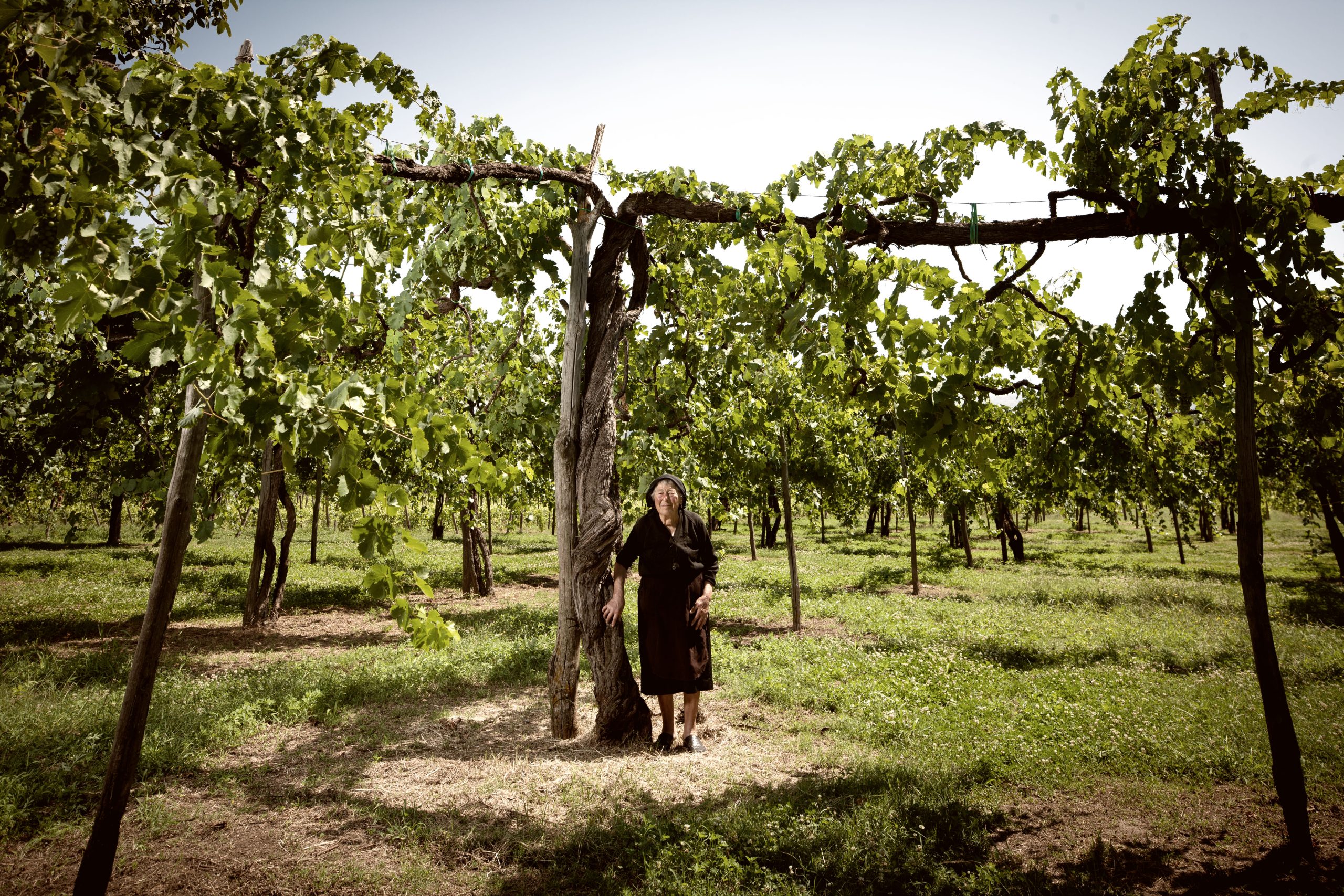
Old Vine photography shortlist unveiled at heritage showcase – The Drinks Business
The shortlist for the 2026 Old Vine Photography Competition is currently on display at the Old Vine Conference Heritage Showcase in London. Held on June 8, 2026, at St John’s on Waterloo Road, the exhibition highlights works that document the resilience and cultural importance of grapevines aged 35 years or older.
What is the Old Vine Photography Competition?
The Old Vine Photography Competition is a global initiative designed to capture the intersection of viticulture, history, and environmental resilience. According to the competition’s official guidelines, the project seeks to document the relationship between the vine, the land, and the people who tend them. This includes everything from sweeping vineyard landscapes to detailed, intimate studies of the vines’ physical textures and seasonal changes.
The competition is open to both professional and amateur photographers from all backgrounds and countries. By inviting a diverse range of perspectives, the organizers aim to create a comprehensive visual record of old-vine viticulture across different continents. The core objective is not merely artistic expression but the creation of a permanent visual archive for future generations.
Key objectives of the competition include:
- Global Awareness: Increasing visibility for the need to preserve old vines.
- Heritage Documentation: Recording the physical state and location of historic vineyards worldwide.
- Community Celebration: Recognizing the growers and local communities dedicated to protecting these agricultural assets.
- Archival Preservation: Building a curated library of images that serve as a historical record.
Where is the Old Vine photography shortlist unveiled at heritage showcase – The Drinks Business event taking place?
The shortlisted works are being exhibited as part of a pop-up exhibition at the Old Vine Conference Heritage Showcase. The event is hosted at St John’s, 73 Waterloo Road, London. This venue serves as the backdrop for the unveiling of the photographs that best encapsulate the beauty and struggle of ancient viticulture.
The choice of a “Heritage Showcase” framing emphasizes that these photographs are more than just art; they are evidence of agricultural survival. By placing the shortlist in a public, accessible space in London, the Old Vine Conference aims to bring the conversation about vineyard preservation to a wider international audience.
How does the Old Vine Conference define an “old vine”?
Precision in terminology is critical for the integrity of the competition. The Old Vine Conference defines an old vine specifically as a grapevine used in wine production that is 35 years or older. This threshold is the mandatory criterion for any entry in the photography competition.
Strict adherence to this definition is required. According to the competition rules, any entries that do not comply with the 35-year minimum age requirement are disqualified. Furthermore, entry fees for disqualified submissions are not refunded, highlighting the organization’s commitment to the scientific and historical accuracy of the archive.
| Criteria | Requirement |
|---|---|
| Minimum Vine Age | 35 Years |
| Eligible Photographers | Amateurs and Professionals |
| Geographic Scope | Global / All Continents |
| Primary Goal | Preservation and Documentation |
Why is the preservation of old vines significant?
Old vines are described by the competition organizers as “living witnesses” to climate, culture, and community. Their significance extends beyond the quality of the wine they produce; they are vital biological and cultural assets.
Genetic Heritage and Biodiversity
Old vines act as genetic heritage reserves. Because they have survived decades—and sometimes centuries—of varying climatic conditions, pests, and diseases, they often possess genetic traits that make them more resilient than younger, cloned plantations. In an era of rapid climate change, these genetic reservoirs are essential for the future of viticulture.
Agricultural and Cultural History
These vineyards represent generational knowledge. The techniques used to maintain a 35-year-old vine (or older) often differ from modern industrial farming. They embody the history of the regions they inhabit, reflecting the socio-economic shifts and agricultural evolutions of their respective countries.
Environmental Resilience
The “resilience” mentioned in the competition’s goals refers to the vine’s ability to adapt to its environment over time. Old vines often develop deeper root systems, allowing them to access water and nutrients from deeper soil layers, which can be a critical advantage during periods of extreme drought.
What is the timeline for the 2026 awards?
The process from submission to the final announcement follows a structured timeline to ensure maximum exposure for the shortlisted artists and the cause of vine preservation.
- Submission Period: Now closed.
- Shortlist Exhibition: June 8, 2026, at the Old Vine Conference Heritage Showcase, London.
- Winner Announcement: July 15, 2026.
The gap between the shortlist unveiling and the winner announcement allows the public and industry experts to engage with the works during the Heritage Showcase, fostering a deeper appreciation for the subjects before the final prizes are awarded.
“Old vines represent agricultural heritage, biodiversity, and generational knowledge. They are living witnesses to climate, culture, and community and genetic heritage reserves for now and the future.”
The role of photography in agricultural conservation
Using photography to highlight the “urgency needed to preserve old vines” transforms a technical agricultural issue into a visual narrative. While a report on genetic diversity may reach scientists, a powerful image of a gnarled, century-old trunk can evoke an emotional response from the general public and policymakers.
The competition encourages both “documentary” and “artistic” approaches. Documentary photography provides the raw evidence of the vines’ existence and condition, while artistic photography interprets the “enduring presence” of these plants. Together, these styles build a visual archive that serves two purposes: it celebrates the beauty of the vineyards and creates a sense of loss for those that have already disappeared.
For those interested in the broader context of how art intersects with environmentalism, a related explainer on agricultural documentation may provide further insight into how visual archives are used in conservation efforts.
Common misconceptions about old vines
One common oversimplification is that any old plant is automatically “heritage.” However, the Old Vine Photography Competition’s strict 35-year rule distinguishes between simply “old” plants and those that have reached a stage of significant viticultural and genetic value. Another misconception is that old vines are solely about the wine’s taste; as the competition emphasizes, the value lies equally in the biodiversity and the cultural identity of the growers.
Furthermore, some believe that old vines are naturally more productive. In reality, old vines often produce lower yields than young, high-intensity plantations. The “value” is found in the concentration of flavor and the historical significance, rather than the volume of production.
Frequently Asked Questions
What is the date of the Old Vine photography shortlist unveiling?
The shortlist is unveiled on June 8, 2026, during the Old Vine Conference Heritage Showcase in London.
Where can I see the shortlisted photographs?
The photographs are exhibited at a pop-up exhibition located at St John’s, 73 Waterloo Road, London.
What makes a grapevine eligible for the competition?
To be eligible, the grapevine must be used in wine production and must be 35 years of age or older.
When will the winners of the Old Vine Photography Competition be announced?
The winners are scheduled to be announced on July 15, 2026.
Who can enter the competition?
The competition is open to photographers of all levels, including both amateurs and professionals, from any country or background.
Why is the 35-year age limit so strictly enforced?
The 35-year threshold is the official definition of an “old vine” according to the Old Vine Conference. This ensures the competition focuses on vines with genuine agricultural and genetic heritage value.
