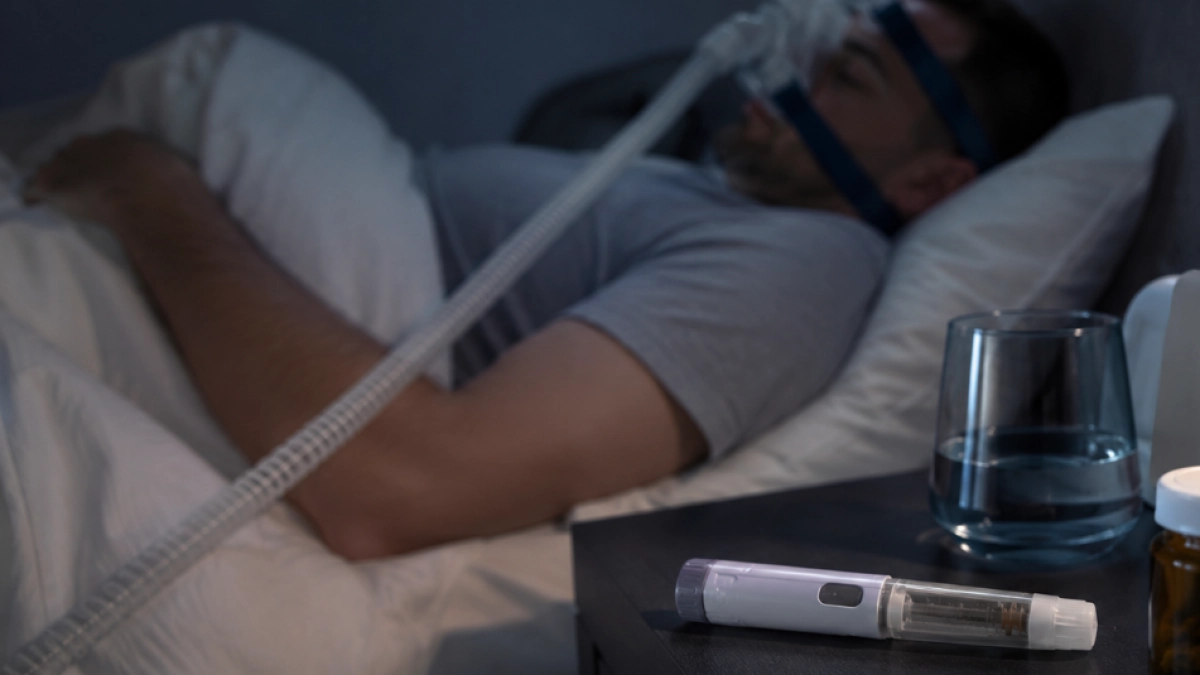
Tirzepatide, a medication originally developed for type 2 diabetes and obesity, significantly reduces the severity of obstructive sleep apnea in adults with obesity, according to results from the SURMOUNT-OSA clinical trial. The drug lowered the Apnea-Hypopnea Index (AHI) in participants, offering a potential pharmacological alternative to continuous positive airway pressure (CPAP) therapy.
- Primary Result: Significant reduction in the number of breathing pauses per hour (AHI).
- Patient Impact: Some participants experienced a nearly complete resolution of sleep apnea symptoms.
- Mechanism: The drug targets GLP-1 and GIP receptors, leading to weight loss that reduces airway obstruction.
How Tirzepatide Affects Sleep Apnea
The SURMOUNT-OSA trial focused on participants who suffered from both obesity and obstructive sleep apnea (OSA). According to the study authors, the administration of tirzepatide led to a substantial decrease in the Apnea-Hypopnea Index (AHI), which measures the number of times a person stops breathing or experiences shallow breathing per hour of sleep.
Researchers found that the weight loss induced by the molecule helps clear the upper airway. By reducing adipose tissue in the neck and around the throat, the medication prevents the collapse of the airway during sleep, which is the primary cause of OSA in patients with obesity.
A Shift from Mechanical to Pharmacological Treatment
For decades, the gold standard for treating severe sleep apnea has been the CPAP machine, which forces air into the lungs via a mask. However, many patients struggle with adherence due to discomfort or difficulty using the device.
The findings suggest that for a specific population—those whose sleep apnea is driven by excess weight—a medication could provide a more sustainable alternative. According to the research team, the reduction in AHI was not merely a side effect of weight loss but a clinical improvement that significantly enhanced the quality of sleep and overall health for the participants.
What the Clinical Data Shows
The results indicate a tiered response among participants. While most saw a reduction in the frequency of apnea events, a subset of the study group achieved a level of improvement that nearly eliminated the condition. This suggests that the drug’s efficacy may vary depending on the individual’s baseline health and the degree of their obesity.
The drug operates as a dual agonist, mimicking two hormones: glucagon-like peptide-1 (GLP-1) and glucose-dependent insulinotropic polypeptide (GIP). While these hormones primarily regulate insulin and appetite, the resulting systemic weight loss provides the structural relief necessary to open the respiratory pathways.
Limitations and Future Considerations
Despite the positive outcomes, the research team noted that tirzepatide is not a universal cure for all forms of sleep apnea. OSA can be caused by factors other than weight, such as the anatomical shape of the jaw or enlarged tonsils, which a weight-loss medication would not address.
Furthermore, the study emphasizes the need for long-term monitoring to determine if the improvements in sleep apnea persist over several years and to fully understand the long-term safety profile of using GLP-1/GIP agonists specifically for respiratory indications.
