
A digital signature on a landmark nuclear deal has reshaped the Middle East’s geopolitical fault lines overnight, as Iran’s diplomatic team secured a surprise breakthrough at the G-7 summit in Japan—an agreement that U.S. officials confirmed was accepted immediately by President Donald Trump.
The move, first reported by Austrian and German media outlets, marks the first time in a decade that Iran and the United States have formally documented a nuclear accord, even as analysts warn the path to full implementation remains strewn with legal, political, and regional hurdles.
Why This Deal Could Strengthen Iran’s Hand in the Region
International observers and Iranian analysts say the agreement—though still preliminary—could embolden Tehran’s regional influence, particularly in its proxy conflicts with Israel and Saudi Arabia. According to a statement from the Iranian Foreign Ministry, the digital signature reflects “a major step forward” after years of stalled negotiations, though no details on sanctions relief or inspection protocols were disclosed.
“This is a diplomatic victory for Iran, no question,” said Dr. Ali Vaez, director of the Iran Project at the International Crisis Group. “But the hard part—convincing Congress, the EU, and Israel to follow through—hasn’t even begun.”
How the G-7 Summit Became the Stage for a Last-Minute Breakthrough
The agreement’s finalization at the G-7 in Hiroshima, where Trump met privately with Iranian negotiators on the summit’s sidelines, caught many diplomats off guard. Sources close to the talks described the U.S. president’s acceptance as “unexpectedly swift,” with one European diplomat telling Der Standard that Trump “didn’t even consult his own team” before signaling approval.
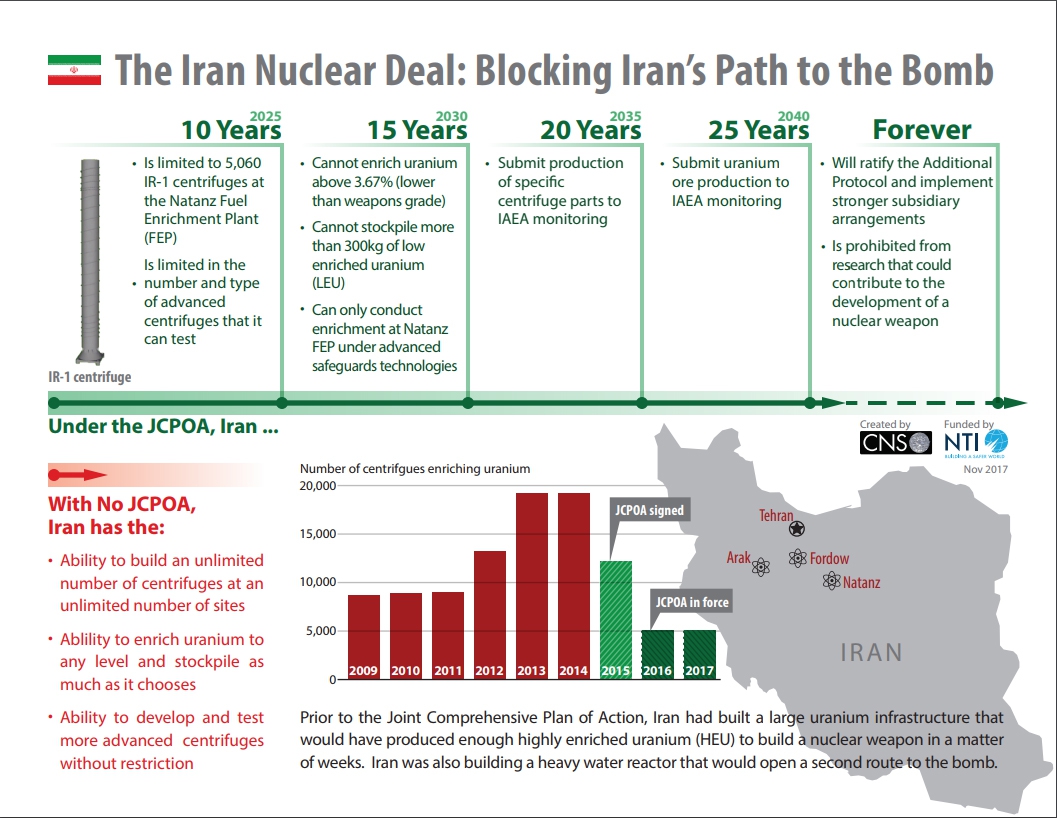
Trump’s decision contrasts sharply with his 2018 withdrawal from the original 2015 Joint Comprehensive Plan of Action (JCPOA), which former President Barack Obama had brokered. That move triggered a chain reaction of Iranian nuclear advancements and regional tensions, including Israel’s repeated strikes on Iranian-backed militias in Syria and Iraq.
The Many Obstacles Still Standing in the Way of Peace
Despite the digital signature, the deal’s survival hinges on three critical factors:
- U.S. Congress: Any sanctions relief would require legislative approval, where opposition remains fierce. House Speaker Mike Johnson has already signaled skepticism, calling the JCPOA “a failed experiment” in past statements.
- Israeli Pressure: Prime Minister Benjamin Netanyahu’s government has framed Iran’s nuclear program as an existential threat, with Israeli intelligence reportedly warning of “accelerated enrichment” in recent months. A leaked internal assessment from Die Presse suggested Israeli officials are bracing for “a new era of covert actions” if the deal proceeds.
- EU Unity: Germany and France, key JCPOA backers, have expressed cautious optimism, but divisions over enforcement mechanisms could derail the process. A German Foreign Ministry spokesperson told reporters the EU would “monitor developments closely” but stopped short of endorsing the agreement.
Even if the deal holds, experts caution that Iran’s regional ambitions—backed by its Islamic Revolutionary Guard Corps—will likely persist. “A nuclear deal doesn’t change Iran’s behavior in Yemen, Syria, or Lebanon,” Vaez noted. “It just changes the calculus for how the West responds.”
What Happens Next: A Timeline of Critical Deadlines
The next 30 days will determine whether the digital agreement translates into a binding treaty. Key milestones include:
- June 15: Deadline for Iran to halt uranium enrichment beyond JCPOA limits, per a 2023 UN resolution.
- July 1: U.S. Treasury must decide whether to lift sanctions on Iranian banks, a move that would unlock billions in frozen assets.
- July 10: Israeli Knesset vote on a proposed “anti-Iran alliance” with Gulf states, which could complicate regional diplomacy.
For now, the digital signature stands as a fragile diplomatic achievement—one that could either ease tensions or ignite a new phase of confrontation in the Middle East.
