
Differential Expression of Neuronal Function Genes Follows a Tissue-Specific Temporal Dynamic During Deformed Wing Virus Infection in Honey Bees – Nature
Honey bees infected with Deformed Wing Virus (DWV) exhibit changes in the expression of genes linked to neuronal function that vary by tissue and progress over time, according to research published in Nature. The study finds that the virus disrupts the bee’s genetic regulation in a specific temporal sequence, altering brain function differently than other bodily tissues, which may impair cognitive abilities and social behavior.
How does Deformed Wing Virus alter honey bee gene expression?
Deformed Wing Virus (DWV) does not simply damage physical structures like wings; it rewires the genetic activity of the host. According to the study published in Nature, the virus triggers a “differential expression” of genes, meaning it causes some genes to become overactive while suppressing others. This genetic shift is particularly pronounced in genes responsible for neuronal function.
The research indicates that the virus targets the regulatory mechanisms of the bee’s nervous system. By altering how neuronal genes are expressed, DWV can disrupt the way neurons communicate, process information, and maintain synaptic plasticity. This molecular interference happens across various tissues, but the specific genes affected and the timing of those changes differ depending on where the virus is active.
Key genetic impacts identified in the Nature report include:
- Downregulation of synaptic genes: A decrease in the activity of genes that manage the gaps between neurons, potentially slowing down signal transmission.
- Upregulation of stress-response genes: An increase in genes associated with cellular stress and immune responses as the bee attempts to fight the viral load.
- Disruption of neurotransmitter regulation: Changes in genes that control the production and reception of chemicals like dopamine or serotonin, which are critical for learning and memory.
What is a tissue-specific temporal dynamic in DWV infection?
The study introduces the concept of a “tissue-specific temporal dynamic” to describe how the virus attacks. This means the genetic response is not uniform across the bee’s body, nor is it constant over the duration of the infection.

Tissue-specific refers to the fact that the brain, the fat body, and the midgut each react to DWV differently. For example, while the brain might show a sharp decline in genes related to memory and learning, the fat body—which acts as the bee’s liver and immune hub—might show a massive spike in metabolic and immune-related gene expression. The virus effectively “tunes” its impact based on the biological role of the tissue it occupies.
Temporal dynamic refers to the timeline of the infection. The genetic changes observed in the early stages of DWV infection are distinct from those seen in the late stages. According to the Nature findings, the initial phase of infection often involves a surge in immune-related gene expression. However, as the infection progresses, the virus begins to suppress critical neuronal function genes, leading to the cognitive decline and behavioral anomalies observed in infected colonies.
| Infection Phase | Primary Genetic Response | Affected Tissues | Likely Behavioral Outcome |
|---|---|---|---|
| Early Stage | Immune activation / Stress signaling | Fat body, Midgut | Mild lethargy, increased grooming |
| Mid Stage | Shift toward viral replication genes | Brain, Muscle tissue | Impaired foraging, navigation errors |
| Late Stage | Suppression of neuronal function genes | Central Nervous System | Loss of social cohesion, wing deformity |
Why does the disruption of neuronal genes matter for colony survival?
Honey bees are not solitary insects; their survival depends on complex social structures and precise communication. The Nature study suggests that by targeting neuronal function genes, DWV attacks the very foundation of the colony’s social intelligence.
The brain of a honey bee manages critical tasks such as the “waggle dance,” which tells other bees where to find food, and the ability to recognize nest-mates. When genes governing synaptic plasticity and neurotransmission are suppressed, these abilities degrade. According to the researchers, this molecular disruption can lead to “cognitive fragmentation,” where bees can no longer perform the complex tasks required to sustain the hive.
The disruption of neuronal genes creates a cascade effect: an individual bee loses its ability to forage efficiently, which reduces the food supply for the larvae, eventually weakening the entire colony’s resilience.
Furthermore, the study highlights that the temporal nature of the infection means that a colony might appear healthy while the virus is in its early “immune-response” phase, only to collapse rapidly once the “neuronal suppression” phase takes hold across a large portion of the population.
Comparing DWV’s impact: Brain vs. Peripheral Tissues
A central finding of the research is the contrast between how the virus affects the central nervous system compared to other organs. This contrast is vital for understanding why DWV is so lethal despite not always killing the bee immediately.
The Brain: A Target for Cognitive Decline
In the brain, the temporal dynamic is characterized by a steady erosion of function. The Nature report notes that the expression of genes related to axonal transport and synaptic signaling drops significantly. This suggests the virus effectively “mutes” the brain’s ability to process external stimuli, leading to the disorientation often seen in infected foragers.

The Fat Body and Midgut: Metabolic Warfare
In contrast, the fat body and midgut act as the primary battlegrounds for the bee’s immune system. Here, the gene expression is characterized by volatility. There are massive spikes in antimicrobial peptide genes and metabolic shifts as the bee diverts energy from growth and maintenance to viral defense. While the brain is being suppressed, the peripheral tissues are in a state of hyper-activation, which exhausts the bee’s energy reserves.
This duality—suppression in the brain and exhaustion in the body—creates a “pincer movement” that rapidly degrades the health of the insect. For more on how pathogens affect pollinators, see a related explainer on honey bee pathology.
The role of the Varroa mite in the DWV cycle
While the Nature study focuses on the genetic expression within the bee, the broader context of DWV cannot be separated from the Varroa destructor mite. The mite acts as the primary vector, transporting the virus from one bee to another and bypassing some of the bee’s initial external defenses.
According to established entomological data, the mite’s feeding habits weaken the bee’s immune system, making the “tissue-specific temporal dynamic” of DWV more aggressive. When a mite introduces DWV, the virus can reach the brain and fat body more quickly, accelerating the transition from the early immune phase to the late neuronal suppression phase.
This relationship creates a synergistic effect: the mite weakens the physical and immune barriers, and the virus dismantles the genetic and cognitive framework of the bee. This combined attack explains why DWV is a primary driver of colony loss worldwide.
Common misconceptions about Deformed Wing Virus
Many beekeepers and observers assume that DWV is primarily a disease of physical deformity. However, the Nature research corrects several common oversimplifications:
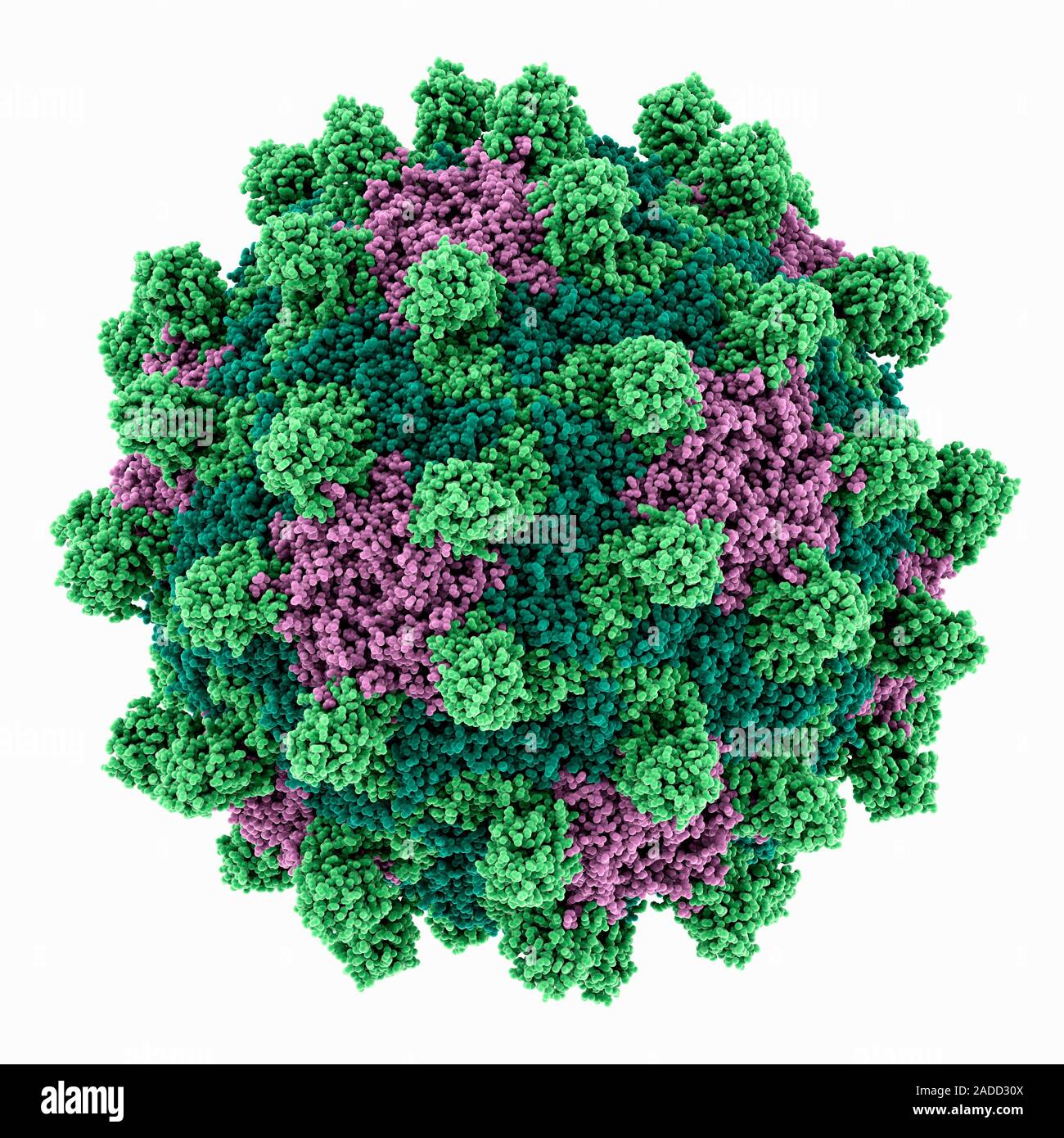
- Misconception: Only bees with deformed wings are infected.
Reality: The study shows that genetic changes in neuronal function occur even in bees that appear physically normal. The “deformed wing” symptom is often a late-stage manifestation or specific to certain developmental windows, but the genetic impact is systemic. - Misconception: The virus kills bees by destroying organs.
Reality: While tissue damage occurs, the research suggests the virus kills by “dysregulation.” It changes how genes work, effectively turning off the systems the bee needs to survive and interact with its colony. - Misconception: The bee’s immune system is simply “off.”
Reality: The immune system is actually highly active in certain tissues (like the fat body) during the early stages of infection. The problem is that this response is either insufficient or improperly timed to stop the virus from reaching the brain.
Implications for future pollinator conservation
The discovery of the tissue-specific temporal dynamic provides a new roadmap for developing treatments. If scientists can identify the exact moment the virus shifts from immune activation to neuronal suppression, they may be able to intervene with targeted therapies.
Potential avenues for research include:
- RNA interference (RNAi): Developing treatments that silence the specific viral genes responsible for suppressing neuronal expression.
- Nutritional Support: Identifying specific nutrients that can bolster the fat body’s immune response during the early phase, preventing the virus from reaching the brain.
- Genetic Selection: Breeding bees that exhibit a more effective temporal response, perhaps by maintaining neuronal gene expression even under viral pressure.
Because honey bees are critical to the pollination of a significant portion of human food crops, the Nature study’s findings have economic implications. A collapse in bee cognitive function leads to a collapse in pollination efficiency, which directly impacts agricultural yields.
Frequently Asked Questions
What exactly is “differential expression” in the context of DWV?
Differential expression occurs when a virus causes a host’s genes to be turned “on” or “off” at different rates than normal. In the case of DWV, the virus suppresses genes that allow neurons to communicate while activating genes that help the virus replicate, according to the Nature study.
Why does the virus affect the brain differently than the fat body?
The virus utilizes a “tissue-specific” strategy. The fat body is the center of the bee’s immune response, so the virus triggers a metabolic and immune battle there. The brain, however, is targeted for suppression, which impairs the bee’s ability to navigate and socialize, making the individual bee less capable of supporting the hive.
Does this mean all bees with DWV will have deformed wings?
No. The deformed wing symptom is a specific physical outcome, but the Nature research shows that the viral impact on neuronal genes happens across the board. Many bees may suffer from cognitive impairment and genetic dysregulation without ever showing visible wing deformities.
How does the “temporal dynamic” affect how beekeepers spot the disease?
The temporal dynamic means the disease has stages. In the early stages, bees may look healthy because their bodies are fighting the virus. By the time physical symptoms like deformed wings appear, the “late-stage” neuronal suppression has likely already occurred, meaning the colony’s cognitive health is already compromised.
Can this research help stop Colony Collapse Disorder (CCD)?
While CCD is caused by multiple factors, DWV is a major contributor. By understanding the genetic mechanism of how DWV destroys bee cognition, researchers can develop more precise medical or genetic interventions to protect pollinators from viral collapse.
