
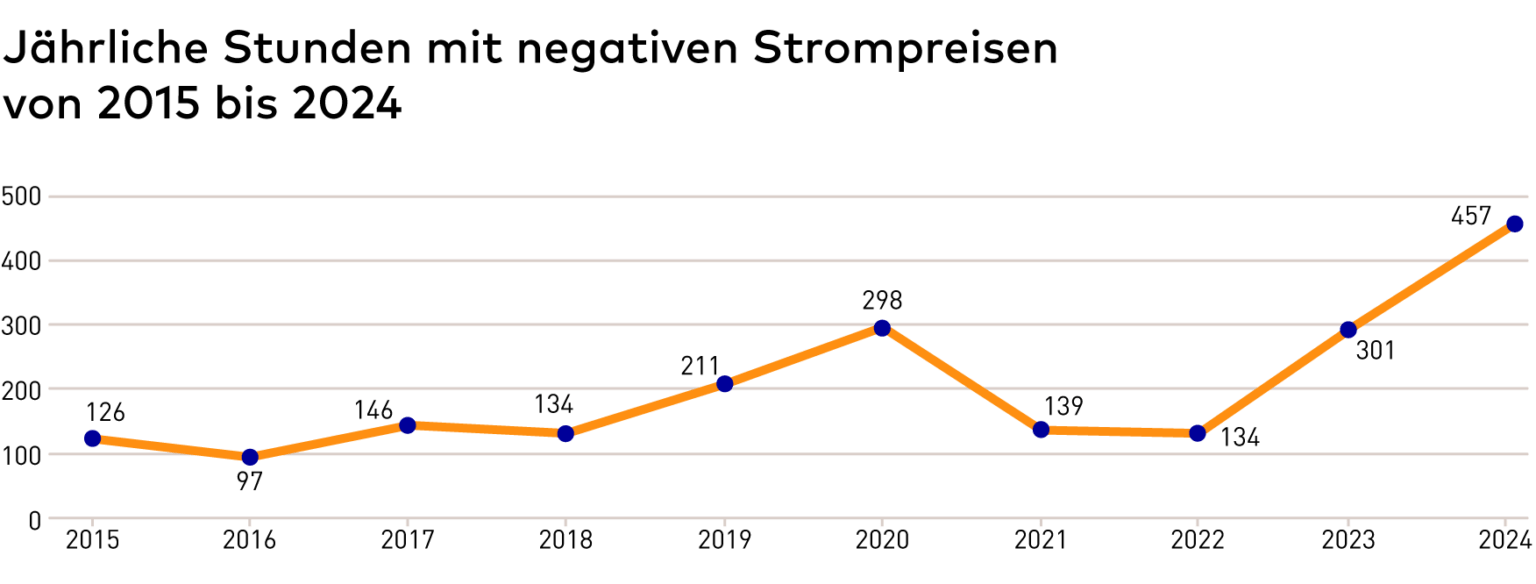
Negative electricity prices are appearing more frequently on the German energy exchange, signaling a growing gap between renewable energy production and grid infrastructure. According to reports from local media and industry analysts, this trend indicates that Germany requires greater system flexibility and storage capacity to prevent energy waste during production peaks.
- Market Trend: Negative pricing phases are becoming more common as renewable energy supply exceeds demand.
- Infrastructure Gap: Existing grid capabilities prevent most consumers and businesses from utilizing periods of free or negative-cost power.
- Proposed Solution: A shift to 15-minute pricing intervals is being discussed to make negative price phases more usable.
- Economic Requirement: Industry analysts emphasize a critical need for increased system flexibility to stabilize the energy market.
Why is the German power grid failing to capture free energy?
Despite periods where electricity is effectively free, very few market participants are able to profit from these price drops. According to a report by the Frankfurter Rundschau, the primary obstacle is that the current infrastructure is lagging behind the rapid expansion of renewable energy sources. This disconnect means that when wind or solar production peaks and drives prices below zero, the grid cannot efficiently redistribute or store the excess power.
Our infrastructure is lagging behind.
The Frankfurter Rundschau cited this as a central reason why the abundance of cheap energy during certain windows does not translate into lower costs for the broader economy.
How would 15-minute pricing intervals change the market?
Current market structures often aggregate price data over longer periods, which can mask short-term price crashes. According to windkraft-journal.de, transitioning to electricity prices measured in 15-minute intervals would allow the market to better utilize negative price phases. By providing higher-resolution data, producers and consumers could react more precisely to sudden surpluses of energy, encouraging consumption exactly when the grid is most stressed by overproduction.
What is the economic impact of increasing negative prices?
The rise in negative prices is not merely a technical glitch but a systemic economic signal. An investigation by the FAZ highlights the increasing frequency of these occurrences on the energy exchange. When prices turn negative, producers must essentially pay the grid to take their electricity, which can distort investment incentives for new renewable projects.
Industry analysis from it boltwise suggests that this trend underscores a desperate need for flexibility within the German energy system. Flexibility refers to the ability of the system to shift demand or store energy—such as through large-scale battery arrays or hydrogen conversion—to balance the volatile nature of wind and solar power. Without this flexibility, the economy cannot capitalize on the low-cost energy generated during peak production hours.
