
NBI Files Human Trafficking Case Against Wife of Former Lawmaker Mike Defensor
The National Bureau of Investigation (NBI) has filed human trafficking charges against the wife of former lawmaker Mike Defensor following a raid on a bar linked to the ex-solon. The agency alleges the establishment’s physical layout was intentionally altered to facilitate illegal trafficking operations, according to reports from the Philippine News Agency and other major national outlets.
What are the specific allegations in the NBI human trafficking case?
The National Bureau of Investigation is pursuing a case of human trafficking against the spouse of Mike Defensor, a former member of the House of Representatives. According to reports from The Manila Times and Philstar.com, the NBI’s complaint stems from operations conducted at a bar associated with the former lawmaker.
A critical piece of evidence cited by the NBI involves the physical structure of the raided venue. The Philippine News Agency (PNA) reported that NBI investigators found the layout of the bar had been modified. The agency claims these alterations were not for aesthetic or business purposes but were specifically designed to support human trafficking activities. This suggests a level of premeditation and structural planning to conceal illegal acts from public view or law enforcement detection.
The NBI’s decision to file the complaint follows a period of investigation into the bar’s operations. While the specific number of victims has not been detailed in every report, the agency’s move to file formal charges indicates they believe they have sufficient evidence to establish a prima facie case of trafficking under Philippine law.
“The layout of the ex-solon’s raided bar was altered for human trafficking ops,” as reported by the Philippine News Agency.
How did the NBI raid lead to these charges?
The path to the filing of charges began with a targeted raid on the establishment. NBI agents entered the premises to investigate reports of illegal activities, eventually uncovering evidence that led them to target the owners and managers of the bar.
In trafficking cases, the NBI typically looks for three elements: the act, the means, and the purpose. In this instance, the “means” are allegedly linked to the structural modifications of the building. By altering the layout, the NBI argues the operators created an environment where victims could be controlled or hidden, facilitating the “purpose” of exploitation.
The investigation expanded from the physical site to the individuals holding legal and financial control over the business. This led the NBI to file the complaint against Mike Defensor’s wife, who is allegedly tied to the management or ownership of the venue. BusinessWorld Online confirmed that the NBI is moving forward with the complaint against the ex-lawmaker’s family members and associates involved in the operation.
Timeline of Key Developments
| Event | Detail | Source Reference |
|---|---|---|
| NBI Raid | Agents raid bar linked to Mike Defensor; discover altered layout. | Philippine News Agency |
| Investigation | NBI analyzes building modifications and operational records. | Internal NBI Process |
| Charge Filing | NBI files human trafficking case against Defensor’s wife. | The Manila Times / Philstar |
| Public Dispute | NBI Chief and Defensor engage in public legal threats over unrelated claims. | Inquirer.net |
What is the context of the friction between the NBI and Mike Defensor?
The legal battle over human trafficking is unfolding against a backdrop of personal and political tension between the NBI leadership and Mike Defensor. This friction suggests the case is not occurring in a vacuum.
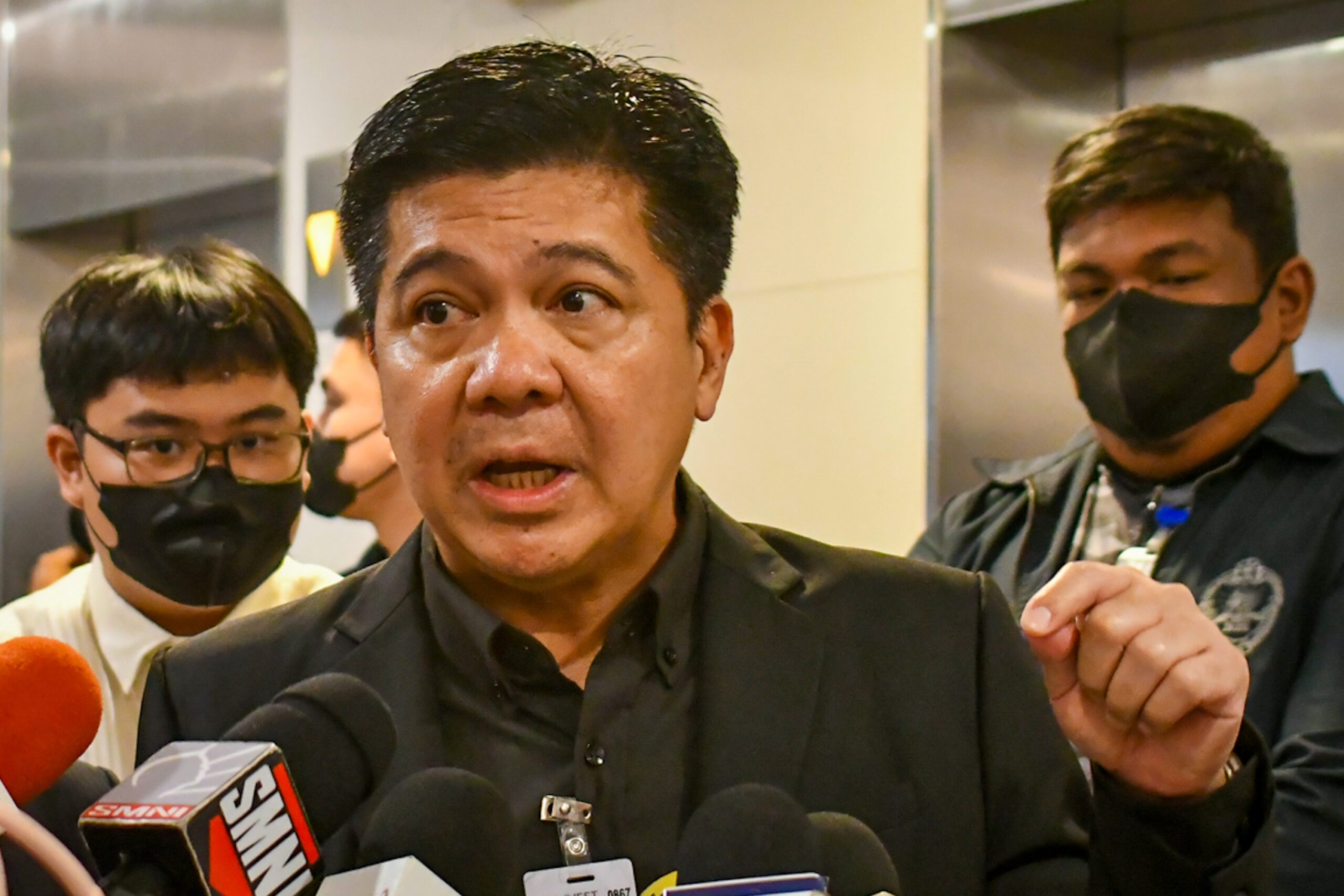
According to Inquirer.net, the NBI chief has been involved in a heated exchange with Defensor. The dispute escalated when the NBI chief dared Defensor to sue his own wife over claims related to flood control projects. This suggests a broader conflict involving accusations of corruption or mismanagement that extends beyond the human trafficking case.
This interpersonal conflict adds a layer of complexity to the trafficking charges. While the NBI maintains the case is based on the evidence found during the bar raid, the simultaneous public sparring between the agency’s head and the former lawmaker’s family may lead to claims of political motivation. However, the NBI continues to emphasize the physical evidence of the “altered layout” as the primary driver for the trafficking charges.
For more on the legal standards used in these cases, see a related explainer on Philippine Human Trafficking Laws.
Understanding the Legal Framework: Republic Act 9208
The charges filed by the NBI fall under the Anti-Trafficking in Persons Act of 2003 (Republic Act 9208), as amended. This law is one of the strictest in the Philippines, designed to combat the recruitment, transportation, or receipt of persons through force, threat, or deception for the purpose of exploitation.
Key Legal Components of the Case
- Exploitation: This includes prostitution, forced labor, or slavery. The NBI’s focus on the bar’s layout suggests they are alleging the venue was used for sexual exploitation.
- The Role of the “Facilitator”: Under RA 9208, individuals who manage the premises where trafficking occurs can be held just as liable as those who recruit the victims.
- Aggravating Circumstances: If the trafficking involves the use of a business establishment or the abuse of a position of power, the penalties are typically more severe.
The NBI’s strategy in this case appears to be focusing on the “infrastructure of crime.” By proving that the building was intentionally modified for trafficking, the prosecution can argue that the crime was an organized business venture rather than an isolated incident by a few employees.
How do different news outlets frame this story?
An analysis of the coverage shows a distinct difference in how various outlets are reporting the event, reflecting different journalistic focuses.

The Philippine News Agency (PNA) focuses heavily on the forensic and physical evidence. Their reporting emphasizes the “altered layout” of the bar, framing the story as a law enforcement success in uncovering a hidden criminal operation. This approach prioritizes the technical aspects of the NBI’s investigation.
In contrast, Inquirer.net provides more political and personal context. By reporting on the NBI chief’s dare to Defensor regarding flood control claims, the Inquirer frames the story as part of a wider conflict between a powerful government agency and a former political figure. This adds a narrative of power struggle to the criminal charges.
Outlets like The Manila Times and Philstar.com maintain a direct news approach, focusing on the act of filing the charges and the identity of the accused. Their coverage serves as the primary record of the legal proceedings without delving as deeply into the personal feud or the architectural details of the bar.
What are the potential implications of this case?
The prosecution of the wife of a former lawmaker sends a significant signal regarding the NBI’s willingness to target “big fish” in human trafficking cases. Often, trafficking raids result in the arrest of low-level pimps or security guards, while the owners and financiers remain untouched. By filing charges against a person of high social and political standing, the NBI is positioning this as a high-profile crackdown.
Short-term Impacts
- Legal Precedent: If the case results in a conviction, it reinforces the idea that ownership of a venue is sufficient for trafficking charges if the layout was designed for exploitation.
- Political Fallout: The case may further alienate Mike Defensor from current administration allies or, conversely, be used as a tool to neutralize his political influence.
Long-term Impacts
- Regulatory Scrutiny: Other bars and entertainment venues in the area may face increased NBI inspections to ensure their layouts are not being used for illegal activities.
- Victim Encouragement: High-profile arrests can encourage other victims of trafficking to come forward, knowing that the NBI is targeting the top of the organizational pyramid.
Common Misconceptions Regarding Human Trafficking Charges
Many readers confuse human trafficking with simple prostitution or illegal recruitment. However, the NBI’s charges in the Defensor case are specifically about trafficking.
Misconception: Trafficking only happens when people are moved across borders.
Correction: Internal trafficking—where victims are moved from one province to another or even kept within the same city—is equally illegal under RA 9208. The “transportation” element is not required if the person is recruited or harbored for exploitation.
Misconception: If the workers are paid, it isn’t trafficking.
Correction: Payment does not negate trafficking. If the “means” involve deception, coercion, or the use of a controlled environment (like an altered bar layout), it remains a trafficking offense regardless of whether money changed hands.
For more information on how to identify these crimes, you may look for a guide on spotting human trafficking signs.
Frequently Asked Questions
Who is being charged in the NBI human trafficking case?
The NBI has filed human trafficking charges against the wife of former lawmaker Mike Defensor. The charges are linked to the operation of a bar associated with the ex-solon.
Why did the NBI mention the layout of the bar?
According to the Philippine News Agency, the NBI alleges the bar’s layout was intentionally modified to facilitate trafficking operations, which serves as evidence of the venue’s purpose for exploitation.

Is Mike Defensor himself being charged with trafficking?
While reports focus on the charges filed against his wife and the raid on a bar linked to him, the NBI has indicated it is filing complaints against those involved in the operation. The specific charges against Defensor himself are often framed in the context of the overall investigation into the establishment.
What is the connection between this case and flood control claims?
As reported by Inquirer.net, there is a separate personal and legal dispute between the NBI chief and Mike Defensor involving claims about flood control projects, which has added political tension to the trafficking case.
What happens next in the legal process?
The NBI’s filing of a complaint initiates a preliminary investigation by the Department of Justice (DOJ). The DOJ will determine if there is probable cause to bring the case to court for trial.
