Market Turmoil: US Stocks Plunge Amid Big Tech Concerns and AI Sector Woes
The U.S. Stock market experienced a dramatic downturn on Friday, June 5, 2026, as fears surrounding the dominance and regulatory challenges of major technology firms triggered widespread selling. The Nasdaq Composite, a key barometer for tech stocks, plummeted by over 4%, marking its worst single-day performance since April 2025. This sharp decline rippled across the broader market, with the S&P 500 and Dow Jones Industrial Average also posting significant losses. The selloff was driven by a combination of factors, including heightened concerns over the future of the AI sector, rising interest rate expectations, and the growing influence of Big Tech companies on the economy.
What Happened: A Market in Crisis
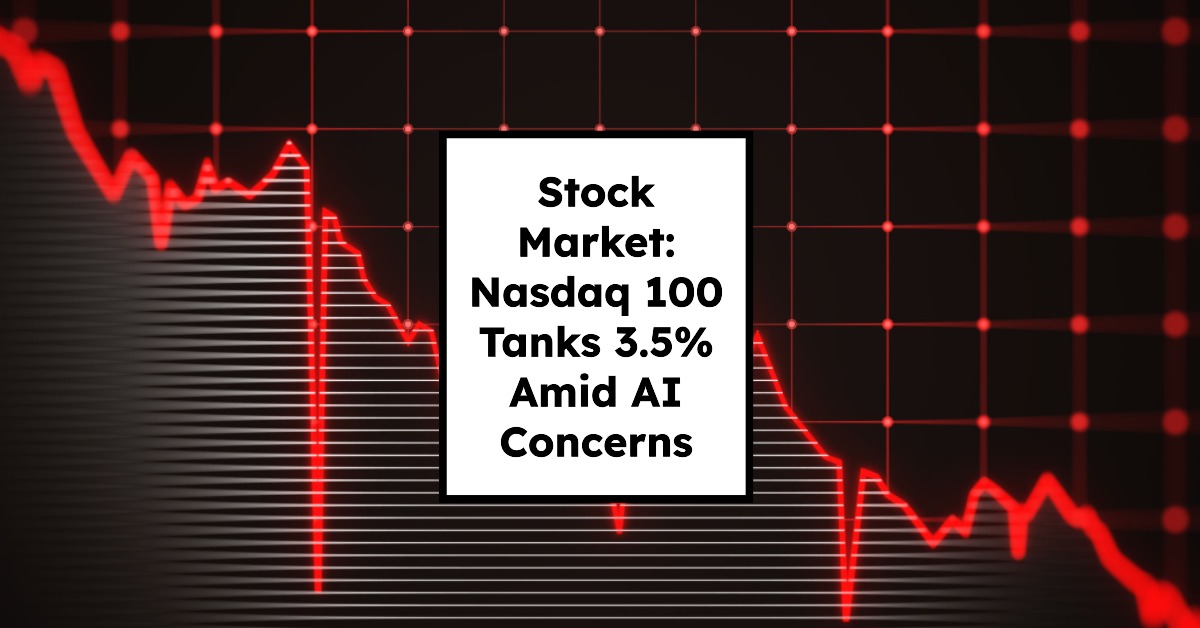
The day’s turmoil began with a sharp drop in shares of chip and memory manufacturers, which form a critical part of the technology supply chain. Companies like NVIDIA, AMD, and Intel saw their stock prices fall by double digits, dragging down the Nasdaq 100 index to its lowest level in over a year. The decline was exacerbated by broader investor anxiety about the sustainability of the AI boom, which had fueled a surge in tech valuations over the past few years. As AI-related stocks faced pressure, the sell-off spread to other sectors, reflecting a broader loss of confidence in the market.
The Nasdaq Composite closed at 28,957.60, a drop of 4.77% from its previous close. This marked the index’s worst performance since the April 2025 market correction, highlighting the severity of the current crisis. Meanwhile, the S&P 500 and Dow Jones Industrial Average also suffered significant losses, with the S&P 500 falling nearly 3% and the Dow dropping over 2%. The broader market’s pain was compounded by a surge in volatility, as traders scrambled to reassess risk exposure in an environment of uncertainty.
Key Drivers of the Sell-Off
Several factors contributed to the market’s sharp decline. First, concerns about the future of the AI sector took center stage. While AI has been a major driver of growth for tech companies, recent earnings reports and analyst forecasts suggested that the sector may be approaching a saturation point. For example, chipmaker Broadcom reported weaker-than-expected results, raising questions about the long-term demand for AI infrastructure. This led investors to question whether the current valuations of AI-focused companies were justified, prompting a wave of profit-taking and risk-off sentiment.
Second, rising expectations of a Federal Reserve rate hike added to the market’s woes. As inflation remained stubbornly high, investors began to price in the possibility of further monetary tightening. This led to a flight to safety, with investors shifting capital into government bonds and other low-risk assets. The yield on the 10-year U.S. Treasury note surged, reflecting the market’s anticipation of higher borrowing costs. Higher interest rates typically weigh on tech stocks, which are
