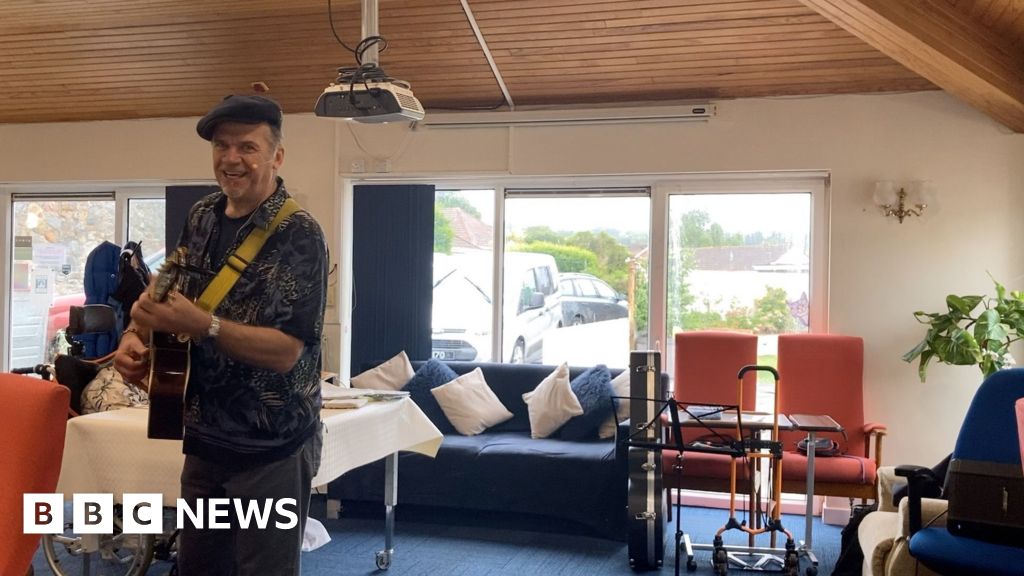
A Harmonious Mission: Musician to Perform 34 Care Home Gigs Across Guernsey in Two Weeks
In an ambitious effort to bring joy and cognitive stimulation to the elderly, a musician is embarking on a rigorous performance schedule, taking on 34 care home gigs in two weeks across Guernsey. This intensive tour represents more than just a series of musical performances. it is a concerted effort to combat social isolation and leverage the therapeutic power of live music within residential care settings.
The scale of the undertaking—averaging more than two performances per day for fourteen consecutive days—highlights a growing recognition of the role that the arts play in holistic healthcare. By bringing live music directly into the living spaces of those who may have limited mobility or access to public entertainment, the initiative aims to bridge the gap between clinical care and emotional well-being.
The Logistics of a Fortnight-Long Musical Marathon
Organizing 34 separate engagements across the island of Guernsey in a mere two weeks requires meticulous planning and a deep commitment to community service. The logistics involve not only the scheduling of performances but also the tailoring of musical repertoires to suit the diverse needs and preferences of residents across various facilities.
Performing in care homes differs significantly from traditional venue gigs. The environment requires a performer to be adaptable, sensitive to the energy of the room, and capable of interacting with individuals who may be experiencing varying levels of cognitive decline or physical frailty. The “marathon” nature of this tour suggests a drive to ensure that no facility is left behind, creating a blanket of musical engagement across the island’s care infrastructure.
Key components of the tour’s logistical framework include:
- Facility Coordination: Aligning schedules with care home staff to ensure performances do not interfere with essential medical care or meal times.
- Repertoire Selection: Curating a mix of nostalgic classics and soothing melodies designed to trigger positive memories and emotional responses.
- Accessibility Management: Navigating the physical layouts of different care homes to ensure music reaches residents in common areas as well as those in more secluded spaces.
The Therapeutic Impact of Music in Aged Care
While the immediate goal of the 34-gig tour is entertainment, the underlying impact is rooted in the science of music therapy. For many residents in care homes, music serves as a powerful conduit for memory and emotion, often reaching parts of the brain that remain active even when other cognitive functions have diminished.
Combatting the “Loneliness Epidemic”
Social isolation is a pervasive challenge in residential care. The presence of a live musician transforms the atmosphere of a care home, turning a routine day into an event. This shift in environment encourages social interaction among residents, who may find common ground in a shared song or a remembered melody.

Live music acts as a social catalyst, breaking the silence of institutional living and replacing it with a shared emotional experience that validates the residents’ personal histories.
Cognitive Stimulation and Reminiscence
Music is uniquely tied to the autobiographical memory. For elderly individuals, particularly those living with dementia or Alzheimer’s, hearing a song from their youth can trigger “reminiscence,” a process where they recall vivid memories of their past. This can lead to:
- Increased Alertness: A visible “awakening” in residents who are otherwise withdrawn.
- Improved Mood: A reduction in anxiety and agitation through the soothing effects of rhythm, and harmony.
- Enhanced Communication: Residents who struggle with speech may find themselves singing along, providing a vital form of non-verbal expression.
| Benefit Category | Immediate Effect | Long-term Potential |
|---|---|---|
| Emotional | Reduced stress and immediate joy | Lowered rates of depression and anxiety |
| Cognitive | Triggering of old memories | Maintenance of mental engagement |
| Social | Shared group experience | Stronger bonds between residents and staff |
The Guernsey Context: Community and Care
The execution of such a dense schedule is made possible by the unique geography and community structure of Guernsey. As a small island, the proximity of care facilities allows for a high volume of visits in a short timeframe, but it also means that the impact of the tour is felt across the entire local care network.
This initiative reflects a broader regional trend toward integrating the arts into health and social care. There is an increasing understanding that “care” extends beyond medical treatment to include the psychological and spiritual needs of the individual. By saturating the island’s care homes with music in a short burst of activity, the tour creates a collective moment of cultural enrichment for the community.
For those interested in how these initiatives are scaled, a related explainer on community-led health interventions may provide further insight into the systemic benefits of arts-in-health programs.
The Evolution of the “Healthcare Musician”
The musician taking on these 34 gigs is operating at the intersection of art and healthcare. This role is increasingly being recognized as a specialized field. Unlike a standard performer, a musician working in a care setting must possess a specific set of soft skills, including patience, empathy, and an understanding of geriatric psychology.

There is a growing movement to formalize the training of those who bring music into clinical settings. The goal is to move beyond “entertainment” and toward “therapeutic engagement.” This involves learning how to:
- Read the Room: Recognizing when a resident is becoming overwhelmed by sound and adjusting the volume or tempo accordingly.
- Facilitate Engagement: Using music to encourage residents to move, clap, or sing, thereby providing mild physical exercise.
- Manage Emotional Release: Being prepared for the strong emotional reactions—both happy and sad—that music can evoke in the elderly.
Implications for Future Care Models
The success of a high-intensity tour like this serves as a proof-of-concept for more permanent integrations of music in care homes. If 34 gigs in two weeks can produce a visible lift in resident morale, it suggests that consistent, scheduled musical interventions could significantly improve the quality of life for the elderly.
Potential long-term implications include the development of “musical prescriptions,” where care plans include specific types of music to help manage symptoms of dementia or to assist with sleep and appetite. It encourages other artists to utilize their skills for social good, creating a sustainable pipeline of volunteers and professionals dedicated to the healthcare sector.
Addressing Common Misconceptions
A common misconception is that music in care homes is merely a “distraction” or a superficial addition to the day. However, evidence suggests that it is a fundamental tool for maintaining human dignity. When a resident is recognized through their favorite song, they are seen as a person with a history and a personality, rather than just a patient with a set of symptoms.
Another misconception is that only professional music therapists can provide these benefits. While certified therapists are essential for clinical goals, “community musicians” provide a vital layer of social connection and joy that complements clinical therapy, making the care environment feel less like an institution and more like a home.
The Ripple Effect on Care Staff
While the primary beneficiaries of the 34-gig tour are the residents, the impact on care home staff should not be overlooked. Caregiving is an emotionally taxing profession, often characterized by high stress and burnout. The introduction of live music into the workplace can provide a much-needed reprieve for the staff as well.
When residents are happy and engaged, the atmosphere of the entire facility improves. Staff members often report that residents are more cooperative and calmer following musical sessions, which reduces the overall tension in the care environment. In this way, the musician’s tour supports the caregivers, creating a more positive ecosystem for everyone involved.
To explore more about the intersection of art and wellness, you might find a guide to holistic elderly care strategies useful for understanding the broader landscape of modern gerontology.
Frequently Asked Questions
What is the primary goal of performing 34 gigs in two weeks across Guernsey?
The primary goal is to provide widespread emotional and cognitive stimulation to elderly residents in care homes, combating social isolation and improving overall well-being through the power of live music.
How does music benefit residents with dementia?
Music can trigger “reminiscence,” allowing individuals with dementia to access memories and emotions that are otherwise unreachable. It can reduce agitation, improve mood, and encourage non-verbal communication.
Is this part of a formal medical treatment?
While this specific tour is a community-driven initiative, it aligns with the principles of music therapy. It serves as a form of psychosocial support rather than a clinical medical treatment, though it complements existing healthcare goals.
Why is the focus on “healthcare musicians” rather than just entertainers?
The term “healthcare musician” emphasizes the need for a specialized approach that considers the physical and psychological needs of patients, focusing on therapeutic outcomes and emotional sensitivity rather than just performance.
Can similar initiatives be implemented in other regions?
Yes. The model of high-frequency, localized tours can be adapted to any region. The key is coordinating with facility management and tailoring the music to the cultural and generational background of the residents.
As the tour progresses across Guernsey, the results will likely underscore the necessity of integrating the arts into the standard of care for the elderly. The ambition of 34 gigs in 14 days is a testament to the belief that music is not a luxury, but a vital component of a dignified and fulfilling life in the final stages of aging.
