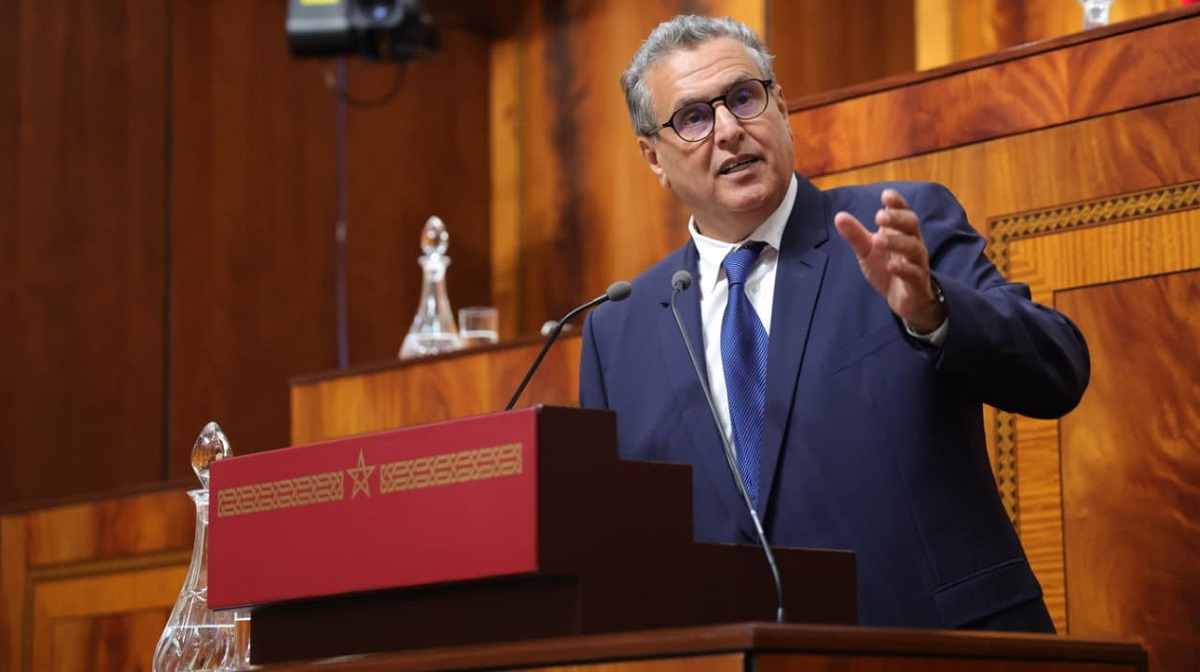
Nearly 3.4 million students in Morocco are receiving direct social aid for the 2025-2026 academic year, according to public statements from Head of Government Aziz Akhannouch. This initiative is part of a broader national education reform strategy that combines financial support with the expansion of “pioneer schools” and community-based learning centers.
- Student Aid: Approximately 3.4 million beneficiaries for 2025-2026.
- Infrastructure Growth: Community schools increased from 226 (2021) to 349 (2026).
- Primary Strategy: Implementation of “pioneer schools” and direct social support.
- Political Opposition: Public criticism from the PAM regarding reform shortcomings.
How Direct Aid is Impacting Students
Head of Government Aziz Akhannouch has defended his administration’s educational record by highlighting the scale of the current social safety net. According to local media reports, the direct social aid system now reaches nearly 3.4 million students for the 2025-2026 period.

Akhannouch has framed these developments as a necessary investment in the country’s youth, citing the allocation of billions in funding to support these initiatives and stabilize the educational environment for millions of families.
The Expansion of Community and “Pioneer” Schools
The government’s strategy extends beyond financial transfers to include a physical expansion of educational access. Between 2021 and 2026, the number of community schools grew from 226 to 349. This increase reflects a push to bring schooling closer to underserved populations.
Central to this effort is the rollout of “pioneer schools,” a model Akhannouch has championed as a primary tool for improving the quality of national education. These schools are intended to serve as benchmarks for reform, utilizing updated methods to elevate student performance.
Why the PAM is Challenging the Reforms
Despite the reported growth in school numbers and aid recipients, the government faces internal political pressure. The PAM (Party of Authenticity and Modernity) has publicly pointed out insufficiencies in the current reform process.
These criticisms were delivered directly to Aziz Akhannouch, with the PAM arguing that the government’s milestones do not fully address the systemic gaps in the national education system. This friction suggests a growing divide between the administration’s statistical successes and the perceived effectiveness of the reforms on the ground.
