
Pagcor and Government Agencies Mobilize Relief for Magnitude 7.8 Mindanao Earthquake Victims
The Philippine Amusement and Gaming Corporation (Pagcor) has deployed aid to victims of a magnitude 7.8 earthquake in Mindanao, according to reports. This mobilization is part of a wider relief effort involving the House of Representatives and private donors, including a P35 million contribution from Cebu and a proposed P15 billion government budget for long-term rehabilitation.
How is Pagcor and the private sector assisting Mindanao quake victims?
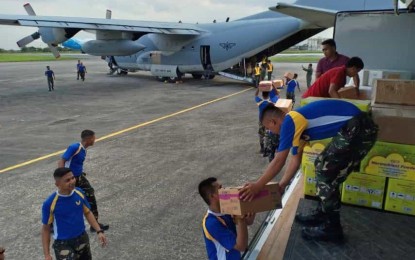
Pagcor has initiated the delivery of assistance to communities devastated by the magnitude 7.8 earthquake in Mindanao. As a government-owned and controlled corporation, Pagcor frequently allocates resources for disaster response, focusing on immediate needs for displaced families. This move aligns with the broader national effort to stabilize affected regions and provide basic necessities to those who lost homes or livelihoods during the seismic event.
Beyond corporate government aid, private contributions are flowing into the region. Baricuatro is turning over P35 million in aid sourced from Cebu to support the victims in Mindanao, according to SunStar Publishing Inc. This cross-regional support highlights the scale of the disaster, as provinces far from the epicenter are coordinating financial transfers to accelerate local recovery.
The immediate relief phase typically prioritizes the following items:
- Emergency food packs and potable water.
- Temporary shelter materials, such as tents and tarpaulins.
- Medical supplies for those injured during the initial tremors.
- Hygiene kits for families staying in evacuation centers.
The coordination between Pagcor and private donors like Baricuatro ensures that both government-mandated funds and voluntary contributions reach the ground simultaneously, reducing the burden on local government units (LGUs) that may have exhausted their quick-response funds.
What is the status of government funding for earthquake recovery?
Legislative efforts are currently focused on securing sustainable funding for the long-term recovery of Mindanao. Representative Ejercito has expressed support for a resolution aimed at securing dedicated funding for earthquake relief, as reported by Inquirer.net. This legislative backing is critical because immediate relief (food and water) must eventually transition into recovery (rebuilding infrastructure).
The House of Representatives has maintained constant communication with the districts hit by the quake. According to the Philippine News Agency, the House is actively extending aid and monitoring the situation in real-time to ensure that resources are distributed based on the actual needs of the affected districts. This communication channel allows lawmakers to identify specific gaps in the relief operation, such as missing medical supplies in remote villages or the need for additional heavy equipment to clear debris.
The government’s funding strategy is split into two primary phases:
- Immediate Relief: Funded through existing calamity funds and contributions from agencies like Pagcor.
- Long-term Rehabilitation: Requiring new legislative resolutions and budget appropriations to rebuild bridges, roads, and schools.
| Funding Source | Amount/Status | Primary Purpose |
|---|---|---|
| Baricuatro (Cebu Aid) | P35 Million | Immediate victim assistance |
| Proposed Budget (Solon) | P15 Billion | Relief, recovery, and rehabilitation |
| Pagcor | Deployed Aid | Emergency response and support |
| House of Representatives | Active Coordination | District-level aid extension |
How much additional budget is being requested for Mindanao’s rehabilitation?
A lawmaker is seeking an additional P15 billion budget to address the relief, recovery, and rehabilitation of areas affected by the Mindanao earthquake, according to ABS-CBN. This substantial request indicates that the damage extends far beyond immediate casualties, impacting the region’s critical infrastructure and economic stability.
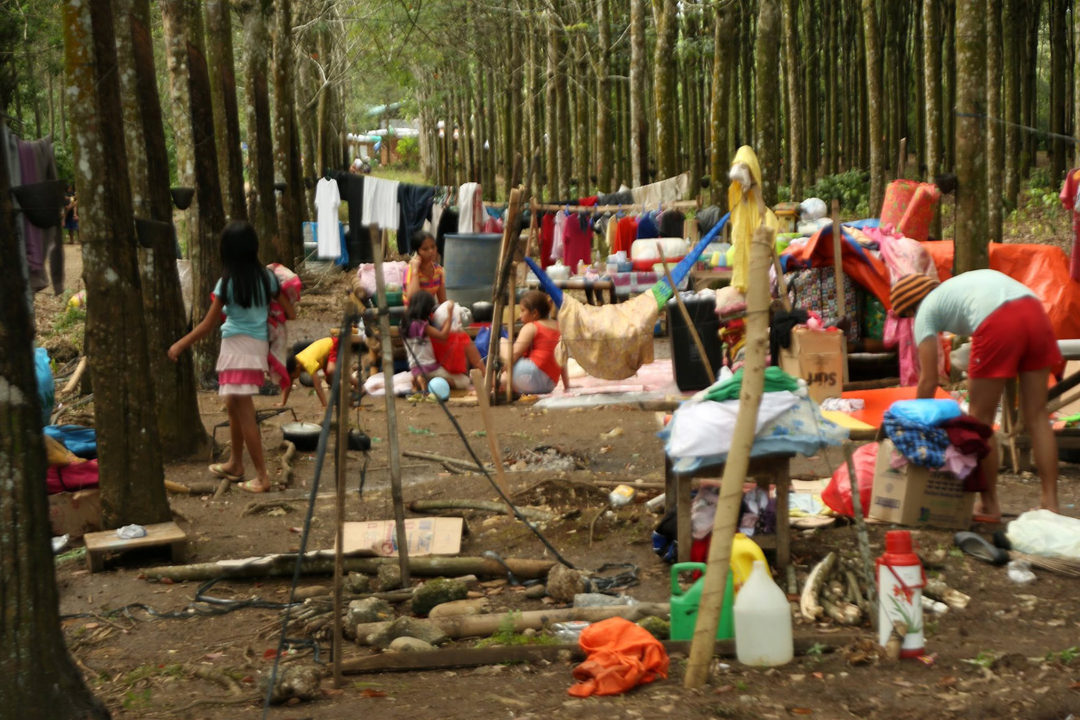
The requested P15 billion is intended to cover three distinct pillars of recovery:
Relief Operations
While initial aid is underway, the relief phase continues as long as displaced populations remain in evacuation centers. This includes the continued provision of food, clothing, and healthcare services to prevent the outbreak of diseases in crowded temporary shelters.
Recovery Efforts
Recovery focuses on restoring basic services. This involves the repair of power lines, water systems, and telecommunications. According to the budget proposal, these funds would help restore the functionality of local markets and transport hubs, allowing the local economy to resume operation.
Rehabilitation and Reconstruction
The most expensive phase is rehabilitation. This involves the permanent reconstruction of government buildings, schools, and residential homes. The P15 billion request emphasizes the need for “building back better,” which means implementing stricter building codes to ensure that new structures can withstand future magnitude 7.0+ earthquakes.
“The scale of a 7.8 magnitude earthquake requires more than just temporary aid; it requires a comprehensive financial commitment to rebuild the lives of thousands of citizens.”
The disparity between the immediate P35 million private donation and the P15 billion government request underscores the difference between humanitarian aid and structural rehabilitation. While private funds save lives in the short term, only massive government appropriations can rebuild a province’s infrastructure.
What role is the House of Representatives playing in the relief efforts?
The House of Representatives serves as the primary bridge between the affected local districts and the national treasury. By maintaining constant contact with quake-hit areas, the House ensures that the national government is not operating on outdated information. This real-time feedback loop is essential for the efficient deployment of resources, as reported by the Philippine News Agency.

Lawmakers are not only coordinating aid but are also drafting the legal frameworks necessary to release emergency funds. The support from figures like Ejercito for funding resolutions is a prerequisite for the Department of Budget and Management (DBM) to release the billions of pesos requested for rehabilitation. Without these resolutions, the executive branch may face legal or bureaucratic hurdles in allocating such a large sum of money outside the regular annual budget cycle.
Key legislative actions include:
- Authoring resolutions for emergency fund releases.
- Conducting site visits to verify damage reports.
- Lobbying for the P15 billion additional budget to ensure Mindanao’s recovery is prioritized.
- Coordinating with agencies like Pagcor to streamline the delivery of corporate aid.
This legislative involvement ensures that the recovery process is transparent and that the funds are earmarked for specific, verified needs rather than general allocations. For more information on how national budgets are allocated during disasters, you may look for a related explainer on Philippine disaster risk management funds.
Understanding the Impact of a Magnitude 7.8 Earthquake
A magnitude 7.8 earthquake is classified as a “major” seismic event. In the context of the Philippines, which sits on the Pacific Ring of Fire, such an event can cause widespread devastation across multiple provinces. The energy released by a 7.8 quake is capable of leveling non-reinforced masonry buildings and triggering landslides in mountainous regions of Mindanao.
The long-term implications of such a quake often include:
- Geological Shifts: Potential changes in land elevation or coastal subsidence, which can lead to permanent flooding in some areas.
- Economic Disruption: Destruction of agricultural land and irrigation systems, which are vital to Mindanao’s economy.
- Psychological Trauma: Long-term stress and anxiety for survivors, necessitating mental health interventions alongside physical reconstruction.
The request for P15 billion is a reflection of these multifaceted damages. Recovery is not merely about replacing bricks and mortar; it is about restoring the socio-economic fabric of the affected communities. When a lawmaker seeks this amount, they are accounting for the total cost of ownership for the region’s infrastructure, including the updated seismic standards required for new construction.
Common Misconceptions About Disaster Funding
Many believe that the “Calamity Fund” is a bottomless pit of money ready for immediate use. However, in reality, these funds are often limited and require specific triggers—such as a formal declaration of a “State of Calamity”—before they can be accessed. This is why the House of Representatives must pass resolutions and why additional budgets, like the P15 billion request, are necessary when the initial calamity funds are exhausted.
Another misconception is that corporate aid, such as that provided by Pagcor, replaces government funding. In the Philippine disaster response model, corporate and private aid are intended to supplement government efforts, filling the gaps in immediate relief while the slower, more bureaucratic process of government budget appropriation takes place.
Comparing the Various Aid Streams
The response to the Mindanao earthquake demonstrates a three-tiered approach to disaster financing: corporate, private, and legislative.
Corporate aid, exemplified by Pagcor, is typically fast and focused on high-visibility, high-impact relief. These agencies can move resources quickly because they operate with more flexibility than a government department. Private aid, such as the P35 million from Cebu, is often driven by regional solidarity and targets specific community needs.
In contrast, legislative funding is slow but massive. The P15 billion request is the only mechanism capable of addressing the systemic failure of infrastructure. While a private donation can buy 10,000 food packs, a legislative appropriation can rebuild 100 schools and 50 bridges. The synergy of these three streams—fast corporate aid, targeted private donations, and massive government funding—is what determines the speed of a region’s return to normalcy.
For those interested in how these funds are monitored, a related explainer on COA auditing of disaster funds provides insight into how the Philippine government ensures these billions reach the intended victims.
Frequently Asked Questions
What is the total amount of aid requested for the Mindanao earthquake?
While various agencies and private individuals are providing aid, a lawmaker has specifically requested an additional P15 billion budget for the comprehensive relief, recovery, and rehabilitation of the affected areas in Mindanao, according to ABS-CBN.
Who are the primary organizations providing help?
Key contributors include the Philippine Amusement and Gaming Corporation (Pagcor), the House of Representatives, and private donors, including Baricuatro, who provided P35 million from Cebu, according to SunStar Publishing Inc.
What is the difference between relief and rehabilitation in this context?
Relief refers to the immediate provision of life-saving supplies like food, water, and medicine. Rehabilitation involves the long-term process of rebuilding permanent infrastructure, such as homes, roads, and schools, to withstand future earthquakes.
Why is the House of Representatives involved in the relief efforts?
The House is responsible for coordinating between affected districts and the national government, ensuring that aid is distributed based on real-time needs and passing the resolutions required to release government funds, as reported by the Philippine News Agency.
How does a magnitude 7.8 earthquake affect the region?
A 7.8 magnitude quake is a major event that can cause extensive structural damage, trigger landslides, and disrupt critical utility services across multiple provinces, necessitating billions of pesos in reconstruction costs.
The ongoing response to the Mindanao earthquake highlights the critical intersection of corporate social responsibility, regional philanthropy, and national legislative action. As the focus shifts from immediate survival to long-term reconstruction, the approval of the P15 billion budget will be the primary indicator of how quickly the region can recover its economic and structural stability.
