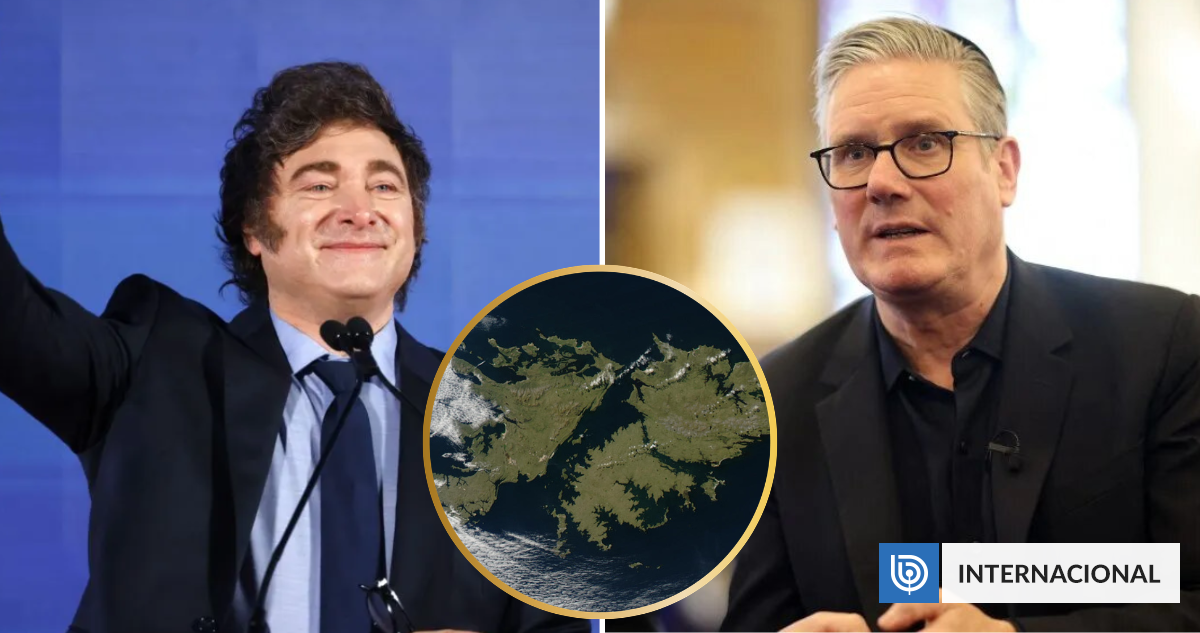
The long-running diplomatic tussle over the Falkland Islands has taken a new turn as Argentine President Javier Milei reaffirmed his country’s claim to sovereignty, drawing a sharp response from the British government.
Speaking during a streaming interview, Milei stated that his administration is doing everything “humanly possible” to see the islands return to Argentine control, while emphasizing that sovereignty “is not negotiable.” He framed the effort as requiring both passion and pragmatism, quoting a philosophy of “cold brain in the service of a hot heart” to guide the approach.
The comments came amid heightened international attention on the territory, particularly following reports that the United States might reassess its longstanding support for the UK’s position. Milei had previously met with U.S. Southern Command chief Laura Richardson during Malvinas War commemorations in Ushuaia, a detail he referenced to underscore ongoing diplomatic outreach.
In swift rebuttal, British Foreign Secretary Yvette Cooper took to social media to declare, The Falkland Islands are British
, adding that sovereignty resides with the United Kingdom while affirming the islanders’ right to self-determination. She described London’s commitment as “unwavering.”
The UK government reinforced the stance across multiple channels. Minister of State for Europe and North America Stephen Doughty told Parliament that no policy review was warranted in response to Argentina’s renewed claims, insisting that support for the islanders’ self-determination “remains unalterable.” Officials close to Prime Minister Keir Starmer similarly echoed the message, noting the historical consistency of Britain’s position and referencing the 2013 referendum in which Falkland Islanders voted overwhelmingly to remain a UK overseas territory.
While the exchange has reignited geopolitical debate, it has as well captured attention in media and public discourse across both nations, highlighting how the decades-old dispute continues to resonate as a symbol of national identity and historical memory.
