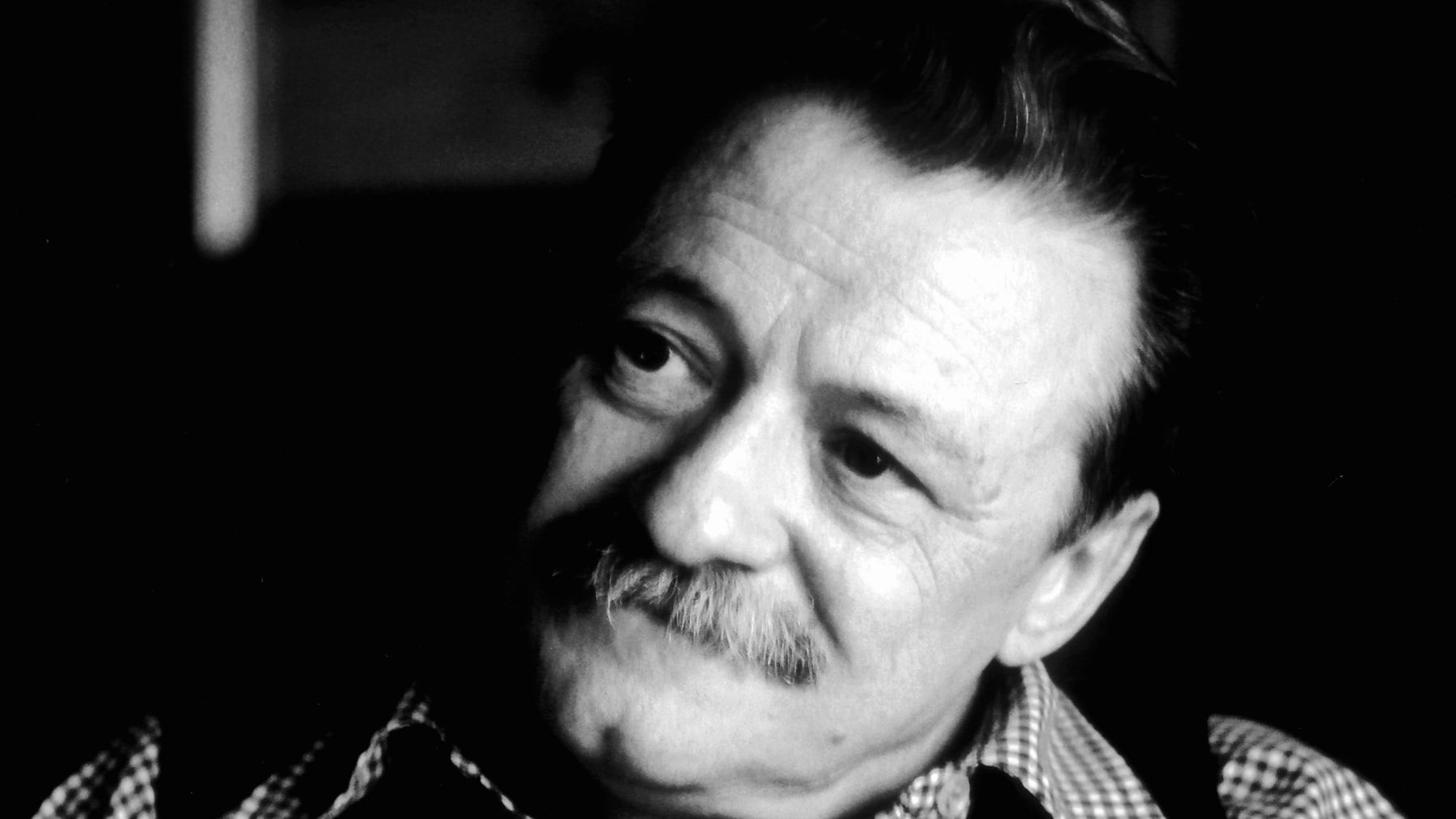
Uruguayan poet and playwright Mario Benedetti characterized death as a “symptom” of a life lived, according to a report by local media. The statement frames mortality not as a void, but as evidence of prior existence, reflecting the literary perspectives of the renowned Latin American author.
The Philosophy of Mortality
According to reports from local media, Mario Benedetti linked the end of human existence to the necessity of its beginning. The writer described the transition of death as a natural indicator that a person had previously existed.
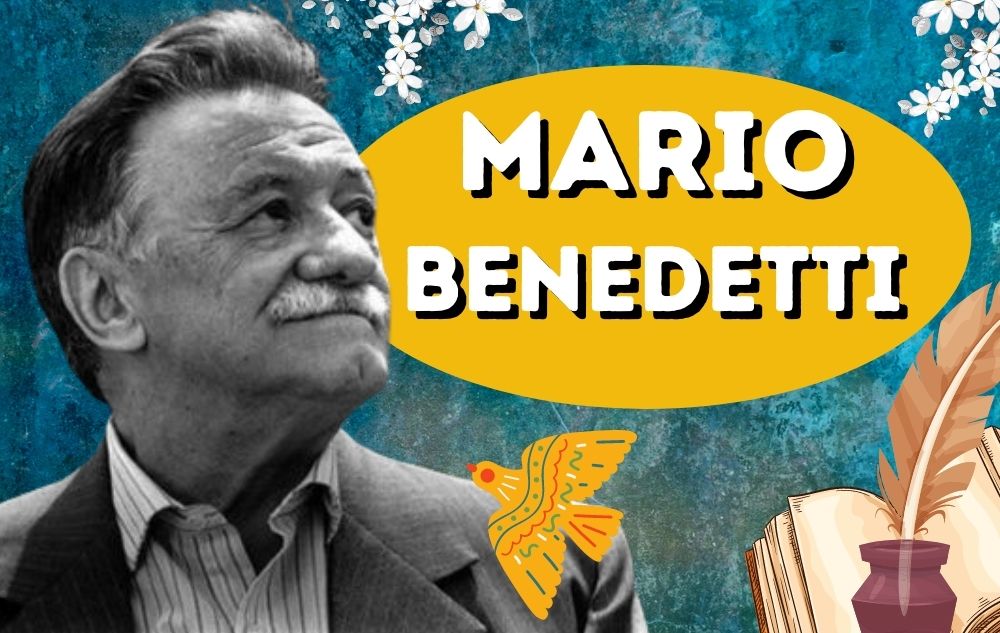
After all, death is only a symptom that there was life.
Mario Benedetti
The sentiment highlights a core theme in the work of the Uruguayan dramatist, positioning the end of life as a verification of the experience that preceded it.
Literary Context
As a prominent figure in poetry and drama, Benedetti is recognized for his ability to distill complex human emotions into concise observations. This specific reflection on death aligns with his broader body of work, which often explores the intersection of individual existence and the broader human condition.
