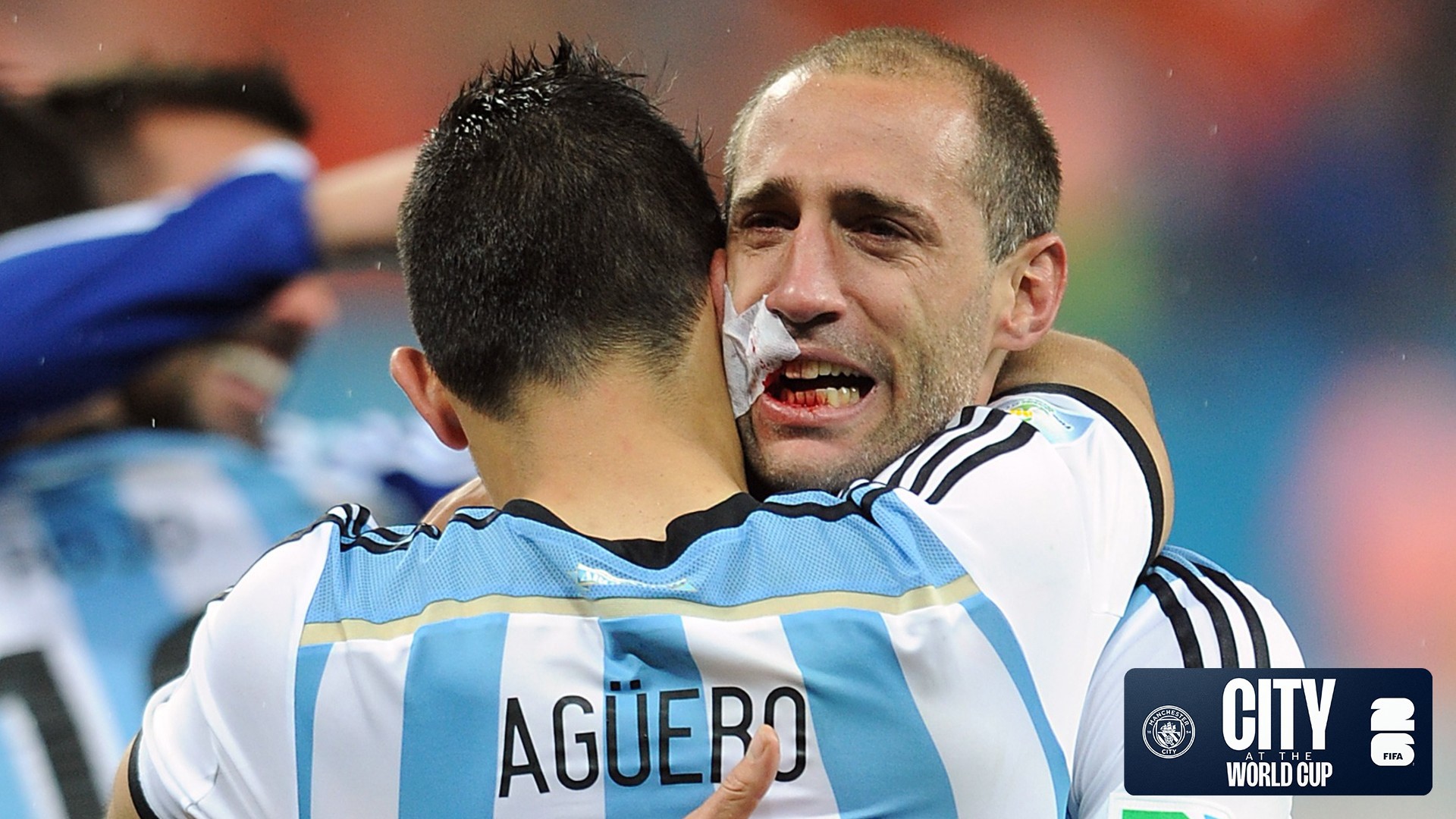
City’s World Cup years: 2014 – mancity.com: A Retrospective on a Global Summer
The 2014 FIFA World Cup in Brazil was more than just a tournament of national pride; for Manchester City, it represented a pivotal moment of global visibility. As the club continued its ascent toward becoming a permanent fixture at the summit of European football, the summer of 2014 served as a showcase for the sheer breadth of international talent residing at the Etihad Stadium. The intersection of club loyalty and national duty during this period provided a fascinating glimpse into how the world’s most prestigious tournament influences the dynamics of a Premier League powerhouse.
Analyzing City’s World Cup years: 2014 – mancity.com reveals a narrative of high expectations, heartbreaking exits, and the immense physical and emotional toll that a World Cup takes on a core group of elite players. With representatives from across South America, Europe, and Africa, the club’s footprint in Brazil was extensive, mirroring the cosmopolitan identity that has come to define the modern era of the organization.
The Global Footprint: Manchester City in Brazil
The 2014 tournament was a testament to the club’s recruitment strategy, which by the mid-2010s had successfully attracted world-class talent from a diverse array of footballing cultures. The presence of City players in multiple national squads didn’t just bring prestige; it brought a wealth of tactical experience back to the English game.
The distribution of players across the tournament was a point of pride for the club. From the attacking flair of the Argentines to the disciplined structure of the Spanish and the emerging power of the Belgian national team, the 2014 World Cup acted as a global billboard for the quality of the squad.
| Player | National Team | Role/Impact |
|---|---|---|
| Sergio Agüero | Argentina | Primary attacking threat / Finalist |
| David Silva | Spain | Creative hub / Midfield general |
| Vincent Kompany | Belgium | Captain and defensive anchor |
| Joe Hart | England | First-choice goalkeeper |
| Yaya Touré | Ivory Coast | Midfield engine and leader |
| Pablo Zabaleta | Argentina | Defensive stability / Finalist |
| Fernandinho | Brazil | Tactical discipline in home tournament |
The Argentinian Connection: A Quest for Glory
Perhaps the most high-profile narrative of the summer involved the Argentinian contingent. Sergio Agüero and Pablo Zabaleta were central to a team that played with an intensity and passion that captured the world’s imagination. For Agüero, the tournament was a grueling test of endurance and clinical finishing, while Zabaleta provided the relentless energy on the flank that had become his trademark in the Premier League.
The journey to the final in Rio de Janeiro was a period of intense scrutiny. The synergy between these players, forged in the training grounds of Manchester, translated into a seamless understanding on the international stage. While the final ended in heartbreak, the experience of competing at the highest possible level of the sport reinforced the mental toughness of these key assets upon their return to club duties.
The Spanish Struggle: A Fallen Giant
In contrast to the Argentinian surge, the experience of David Silva and the Spanish national team was one of shock and disappointment. Coming off a period of unprecedented dominance in world football, Spain entered the 2014 tournament as favorites, only to suffer a stunning group-stage exit.
Silva, the creative heartbeat of both his club and country, found himself stifled by opponents who had spent years studying the “tiki-taka” style. This particular arc of City’s World Cup years: 2014 – mancity.com highlights the volatility of international football, where tactical evolution can render a dominant system obsolete in a matter of weeks.
Tactical Implications and the “World Cup Hangover”
One of the most critical aspects of the 2014 tournament was not what happened on the pitch in Brazil, but what happened in the weeks following the final. The phenomenon known as the “World Cup hangover” is a well-documented struggle for elite clubs, and Manchester City was not immune.
The physical demands of a tournament in the Brazilian heat, combined with the emotional exhaustion of high-stakes knockout football, meant that several key players returned to Manchester depleted. This created a complex challenge for the coaching staff: balancing the need for these players to start the new Premier League season strongly against the risk of soft-tissue injuries and burnout.
- Recovery Cycles: Players who reached the final, such as the Argentinian duo, had significantly less downtime than those who exited early.
- Psychological Impact: The contrast between the euphoria of a deep run and the trauma of an early exit affected player morale and training intensity.
- Integration: New signings had to be integrated into a squad where the established stars were still recovering from a grueling international summer.
The Role of Leadership: Kompany and Touré
While the attackers grabbed the headlines, the leadership of Vincent Kompany and Yaya Touré was indispensable. Kompany’s role as the captain of a rising Belgian side mirrored his role at City—providing a steady hand and organizational brilliance. His ability to maintain professional standards under the pressure of a global tournament served as a blueprint for the younger players in the squad.
Yaya Touré, meanwhile, continued to demonstrate why he was considered one of the most complete midfielders in the history of the game. His performances for the Ivory Coast were a masterclass in box-to-box play, bridging the gap between defense and attack with an ease that few could replicate. The presence of such dominant personalities on the world stage elevated the status of the club, signaling that the team was not just a domestic power, but a collection of global icons.
Beyond the Pitch: The Commercial and Brand Impact
From a strategic perspective, the 2014 World Cup was a massive branding exercise. Every time a Manchester City player was interviewed or featured in a highlight reel, the club’s identity was broadcast to billions of viewers worldwide. This era of City’s World Cup years: 2014 – mancity.com coincided with a period of aggressive global expansion for the club’s brand.
“The World Cup acts as a catalyst for global growth. When fans in Asia or the Americas see their national heroes playing for a specific club, it creates an emotional bridge that no marketing campaign can replicate.”
The “halo effect” of having players like Agüero and Silva in the spotlight helped the club penetrate new markets. It transformed the club from a successful English team into a global entity. The associations with the passion of Argentina and the prestige of Spain helped build a narrative of sophistication and ambition.
Addressing Common Misconceptions
A common misconception regarding the 2014 World Cup is that it was a purely disruptive force for club football. While the “hangover” is real, many analysts argue that the tournament actually improved certain players. The experience of playing in high-pressure, knockout environments often accelerates a player’s maturity.
For instance, the defensive coordination required at the World Cup often translates into a more disciplined approach in league play. The exposure to different tactical setups—facing the unorthodox styles of diverse national teams—provides players with a mental flexibility that they wouldn’t encounter in the relatively predictable patterns of the Premier League.
The Legacy of the 2014 Cohort
Looking back, the players who represented the club in 2014 formed the backbone of a transitional era. They were the bridge between the early days of the project and the eventual era of total dominance. The resilience shown by those who navigated the highs and lows of Brazil became part of the club’s cultural DNA.
The 2014 experience taught the organization the importance of sports science and personalized recovery. The realization that “one size fits all” recovery was insufficient for players returning from different stages of the tournament led to more sophisticated medical protocols, which would eventually become a gold standard in the industry.
Key Takeaways from the 2014 Experience
- Diversification of Talent: The success of the recruitment strategy was validated by the number of starters in various national teams.
- Risk Management: The tournament highlighted the precarious balance between international prestige and player health.
- Brand Elevation: Global visibility during the tournament accelerated the club’s transition into a worldwide sporting brand.
- Tactical Maturity: Players returned with a broader understanding of global football trends, enhancing the team’s versatility.
For those interested in how this period shaped the club’s future, a related explainer on the evolution of sports science in football provides further context on how recovery protocols changed after the 2014 cycle.
Frequently Asked Questions
Which Manchester City players reached the 2014 World Cup Final?
Sergio Agüero and Pablo Zabaleta were the key Manchester City representatives who reached the final with Argentina, where they ultimately faced Germany.
How did the 2014 World Cup affect the club’s subsequent Premier League season?
The tournament led to a period of physical and emotional fatigue for several key players, often referred to as the “World Cup hangover,” which required the coaching staff to manage minutes and recovery more carefully during the early stages of the season.
Who was the most influential Manchester City player during the 2014 tournament?
While Agüero had the highest profile due to Argentina’s run, players like Vincent Kompany and Yaya Touré were highly influential as captains and leaders of their respective national teams, Belgium and Ivory Coast.
Why is the 2014 World Cup considered a branding success for the club?
The presence of world-class players from multiple continents ensured that the club’s identity was visible to a global audience, helping to attract new fans and commercial partners from South America, Europe, and Africa.
Did Spain’s early exit in 2014 impact David Silva’s form at the club?
While the exit was a disappointment, Silva remained a creative pillar for the club. The experience served more as a tactical lesson in the evolution of the game rather than a detriment to his individual performance.
The intersection of club and country during the summer of 2014 remains a defining chapter in the club’s history. It was a time when the ambitions of the city and the dreams of nations collided on the pitches of Brazil, leaving a lasting impact on the players, the staff, and the global perception of the organization. As the club continues to evolve, the lessons learned from the 2014 cycle—both in terms of performance and player welfare—continue to inform its approach to the modern game.
