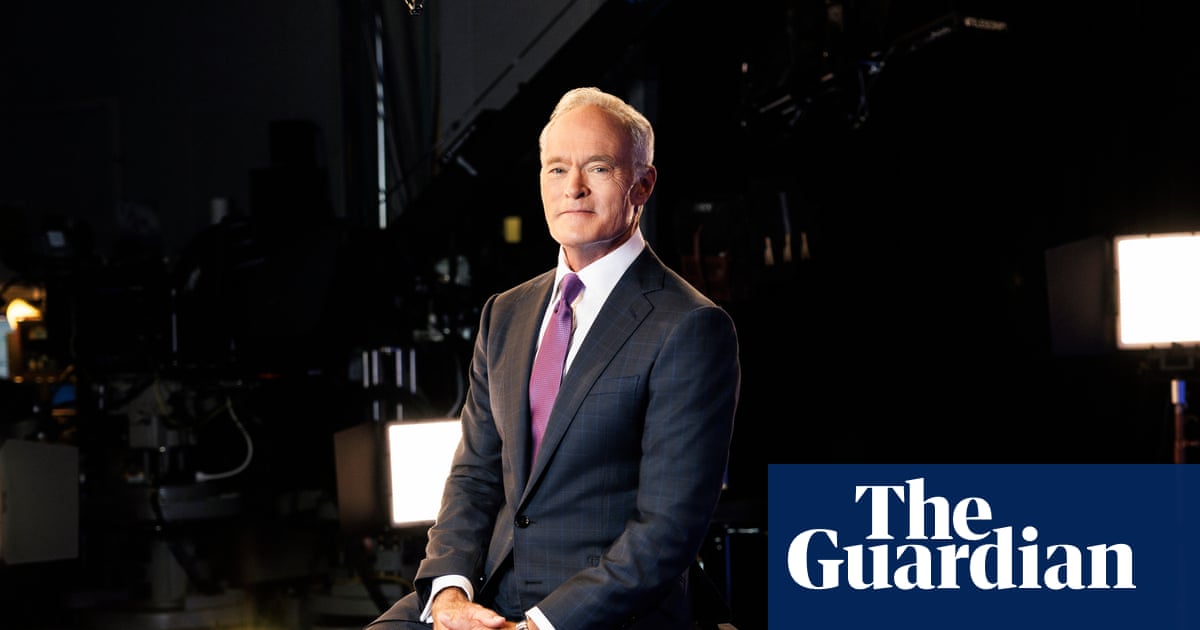
Scott Pelley, star of 60 Minutes, stood up for his principles and lost his job | A Deep Dive into a Media Controversy
Amid a wave of upheaval at one of American television’s most iconic news programs, veteran journalist Scott Pelley found himself at the center of a storm that has reignited debates about journalistic integrity, corporate influence, and the evolving landscape of broadcast media. The sudden departure of the longtime 60 Minutes correspondent has sparked widespread speculation, with insiders and critics alike questioning the motivations behind the decision and its implications for the future of investigative journalism.
The Unraveling of a Legacy
Scott Pelley, a name synonymous with authoritative storytelling and investigative rigor, has spent decades shaping the narrative of 60 Minutes. His tenure as a correspondent on the flagship CBS News program has been marked by a commitment to hard-hitting reporting, from uncovering corporate scandals to exposing political corruption. However, recent developments suggest that his steadfast adherence to journalistic principles may have clashed with the shifting priorities of the network’s leadership.
While the exact circumstances of Pelley’s exit remain shrouded in ambiguity, industry analysts point to a broader pattern of reorganization within CBS News. The departure of top producers, the appointment of new leadership, and the repositioning of 60 Minutes as a brand have all contributed to a climate of uncertainty. For Pelley, whose career has been defined by a focus on truth-telling, the tension between editorial independence and corporate strategy may have reached an irreversible breaking point.
Who Is Involved?
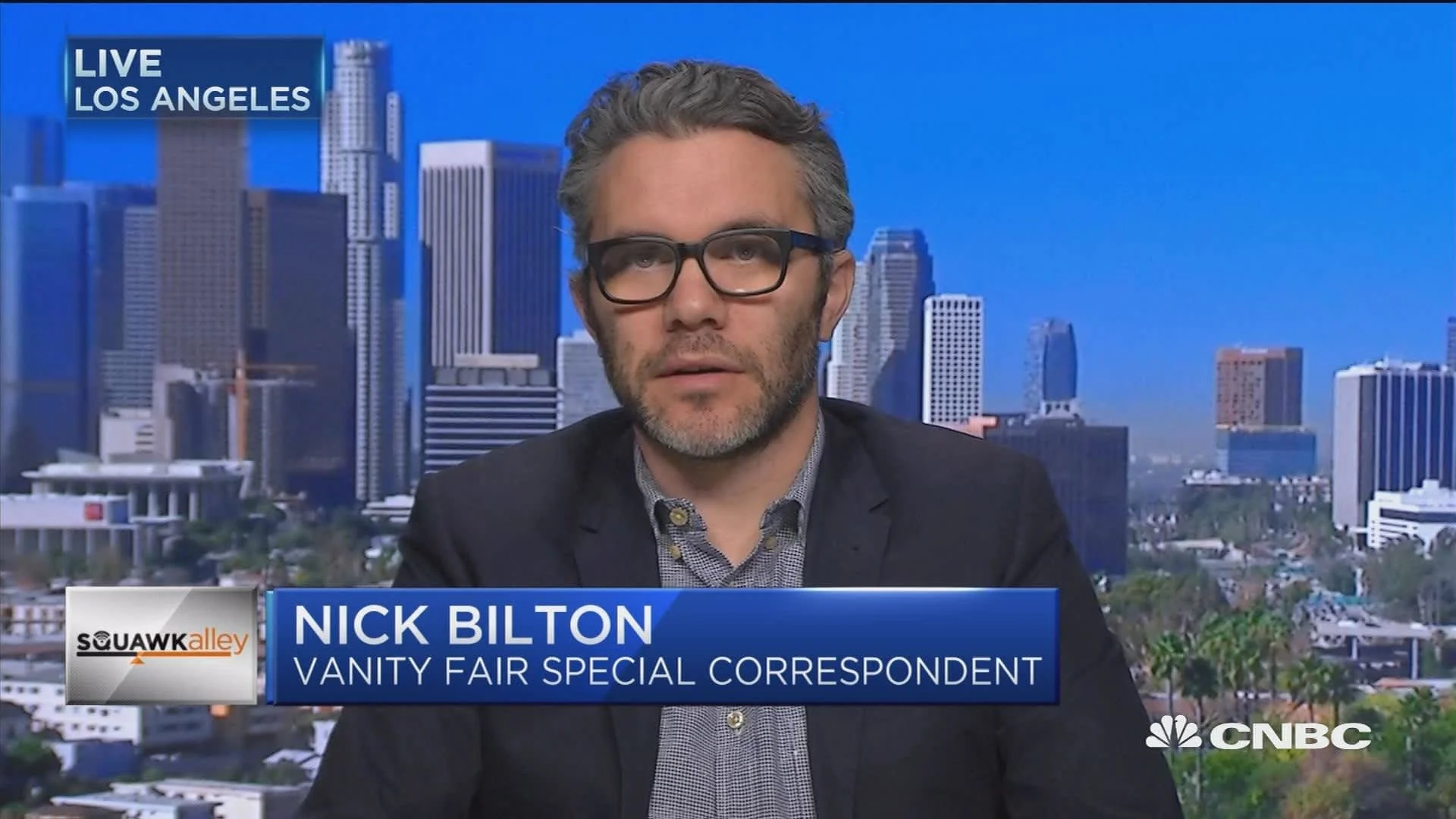
The controversy involves not only Pelley but also key figures within CBS News and the broader media ecosystem. Among them is Nick Bilton, the newly appointed head of 60 Minutes, who has described his role as one of “reinvigoration” for the program. Bilton, a former technology journalist, has emphasized the need to adapt to changing audience habits and competitive pressures, a stance that has drawn both support and skepticism from within the industry.
On the other side of the debate are veteran contributors like Steve Kroft, a former 60 Minutes correspondent who has publicly expressed concern over the program’s evolving identity. Kroft, known for his incisive reporting and measured tone, has warned that the show’s traditional strengths—its depth, its narrative storytelling, and its commitment to accountability—risk being diluted in pursuit of broader appeal.
The situation has also drawn attention to the role of external forces, including media conglomerates and the influence of digital platforms. As traditional broadcast networks grapple with declining viewership and the rise of on-demand content, the pressure to innovate has intensified. For Pelley, whose career has been rooted in the conventions of network television, this shift may have felt like a fundamental threat to the very essence of his work.
A Timeline of Change
The upheaval at 60 Minutes did not occur in a vacuum. Over the past year, CBS News has undergone a series of strategic changes, including the departure of long-serving executives and the appointment of a new executive team. These moves have been framed as necessary steps to modernize the network’s operations and maintain relevance in a rapidly changing media environment.
One of the most notable developments was the exit of Tanya Simon, a top producer whose work had been instrumental in shaping the show’s investigative segments. Her departure, reported by industry publications, was cited as part of a broader restructuring effort. While the network has not provided detailed reasons for the changes, insiders suggest that the focus has shifted toward content that aligns with the network’s broader brand strategy.
Simultaneously, 60 Minutes has faced scrutiny over its ratings performance. While the program remains a ratings leader in its time slot, its ability to attract younger audiences has come under question. Bilton’s appointment has been interpreted by some as an attempt to recalibrate the show’s approach, with a potential emphasis on topics that resonate with a more diverse demographic.
Why This Matters: The Broader Implications
The fallout from Pelley’s departure extends beyond the walls of CBS News. It raises critical questions about the future of investigative journalism in an era of corporate consolidation and algorithm-driven content. For years, 60 Minutes has been a cornerstone of American broadcast journalism, setting the standard for long-form investigative reporting. Its current trajectory could signal a broader shift in how news organizations balance editorial independence with commercial imperatives.

Critics argue that the pressure to adapt to new formats and platforms may come at the expense of the program’s signature depth and rigor. The risk, they warn, is that the focus on ratings and virality could erode the very qualities that have made 60 Minutes a trusted source of information. As one media analyst put it, “The challenge is not just about keeping up with the times, but about preserving the integrity of the craft.”
Conversely, proponents of the changes argue that innovation is essential for survival. They point to the success of other news programs that have embraced digital-first strategies while maintaining their journalistic standards. The question, they say, is whether 60 Minutes can strike a balance between tradition and transformation without compromising its core mission.
Reactions and Expert Perspectives
The controversy has elicited a range of reactions from media professionals, academics, and public figures. Some have praised Pelley’s decision to prioritize his principles, viewing it as a rare example of journalistic courage in an industry increasingly influenced by corporate interests. Others, however, have expressed concern over the potential consequences of such a high-profile departure.
“This is a moment that highlights the growing tension between individual ethics and organizational goals,” said a media scholar specializing in broadcast journalism. “When a figure like Pelley chooses to walk away, it sends a powerful message about the values that should underpin the profession.”
At the same time, some industry insiders have questioned whether the narrative surrounding Pelley’s exit is being exaggerated. “It’s important to separate the actual events from the speculation,” one executive noted. “While change is inevitable, the story is more complex than it appears on the surface.”
