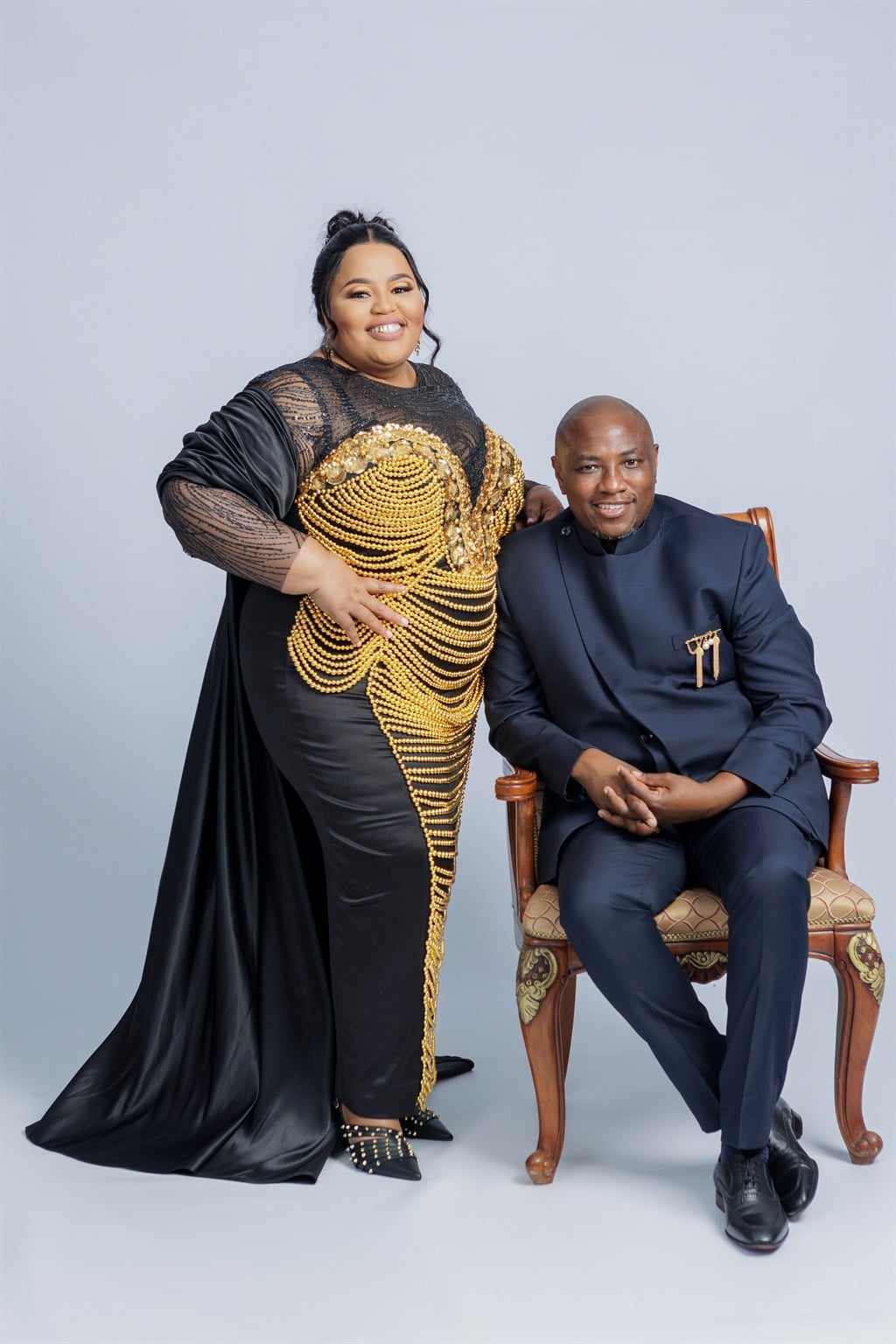
The Polygamist: Mseleku’s Wife Stands by Her Husband Amid Controversial Comparisons
MaCele Mseleku, the spouse of Musa Mseleku, has publicly dismissed concerns over her husband’s alleged similarities to a figure known as “The Polygamist,” emphasizing her unwavering support despite the controversy. The statement comes amid heightened scrutiny of polygamous practices in the region, with local media and public figures weighing in on the implications of such comparisons. The situation has sparked broader discussions about cultural norms, legal boundaries, and the societal impact of polygamy.
What Happened?
The recent controversy began when reports surfaced suggesting that Musa Mseleku, a prominent local figure, was being likened to an individual referred to as “The Polygamist” in public discourse. MaCele Mseleku, in a statement shared with local outlets, asserted, “I don’t care if people compare my husband to Jonasi. He is my husband, and I stand by him.” The remarks were made in response to growing speculation about the nature of her husband’s relationships and the potential legal or social ramifications of such comparisons.

The term “The Polygamist” has been used to describe individuals accused of practicing polygamy in a region where the practice is both culturally entrenched and legally contentious. While the exact identity of the figure referenced remains unclear, the comparison has reignited debates about the legitimacy of polygamous unions and the societal stigma attached to them.
Local authorities have not issued official statements on the matter, but legal experts note that polygamy is a sensitive issue in the area. “While some communities view polygamy as a traditional right, others see it as a violation of modern legal frameworks,” said Dr. Linda Moyo, a sociologist at the University of [Region]. “This case highlights the tension between cultural practices and evolving legal standards.”
Who Is Involved?
Musa Mseleku, the central figure in the controversy, is a well-known public figure whose background remains partially obscured. Reports indicate he is a businessman with ties to local communities, though details about his personal life are scarce. MaCele Mseleku, his wife, has been a vocal advocate for her husband’s reputation, framing her defense as a personal and cultural stance rather than a public political act.

Jonasi Gomora, the individual referred to as “The Polygamist,” is a name that has surfaced in multiple local news reports over the past decade. While his exact role in the controversy is not fully elucidated, the association with polygamy has drawn scrutiny from both legal and social perspectives. Some sources suggest that Gomora has faced legal challenges related to his marital arrangements, though no official records of such cases have been publicly disclosed.
The broader community has also been affected by the discussion. Local leaders, religious figures, and activists have weighed in on the implications of the comparison, with some calling for greater transparency and others urging respect for cultural traditions. “This is not just about one family—it’s about the values we uphold as a society,” said Reverend Samuel Khumalo, a prominent community leader.
Context and Background
Polygamy has long been a part of the cultural fabric in many parts of the region, with historical roots in tribal customs and religious practices. However, the legal status of polygamous unions remains ambiguous. While some laws permit polygamy under specific conditions, others classify it as a criminal offense. This legal ambiguity creates a complex landscape for individuals and families navigating the practice.
Recent years have seen increased pressure from human rights organizations and international bodies to address the rights of individuals in polygamous relationships. Reports from the United Nations have highlighted concerns about gender inequality and the potential for exploitation within such arrangements. “Polygamy can sometimes mask power imbalances, particularly when one party holds more social or economic influence,” noted a 2023 report by the [Region] Human Rights Commission.
The current controversy reflects these broader tensions. For some, the comparison to “The Polygamist” is a legitimate concern about the potential for abuse or legal repercussions. For others, it is an overreach that fails to account for the cultural significance of polygamy in certain communities. “We must distinguish between traditional practices and harmful behaviors,” said Dr. Moyo. “Not all polygamous relationships are the same.”
Reactions and Implications
The public reaction to MaCele Mseleku’s statement has been mixed. Social media platforms have seen a surge of comments, with some users praising her for defending her husband and others criticizing the comparison as an attempt to normalize polygamy. “Supporting your partner is one thing, but ignoring the broader implications is another,” wrote one user on [Platform Name].
Legal experts have also weighed in, emphasizing the need for clarity in the law. “If polygamy is to be accepted, it must be regulated to protect all parties involved,” said attorney Tendai Nhlapo. “Otherwise, it risks becoming a tool for exploitation rather than a cultural practice.”

The situation has also sparked discussions about the role of media in shaping public perception. Some critics argue that the comparison to “The Polygamist” is an oversimplification that fails to address the nuances of the issue. “Media outlets often reduce complex social issues to sensational headlines,” said journalist Noma Dlamini. “This can lead to misunderstandings and reinforce stereotypes.”
For the Mseleku family, the controversy has brought both support and scrutiny. Local businesses have expressed solidarity with Musa Mseleku, while others have distanced themselves from the situation. “We respect people’s right to their beliefs, but we also have to consider the impact on our community,” said a representative from a local chamber of commerce.
Why This Matters
The case of MaCele Mseleku and
