LiquidPay 2.0: Transforming Credit Card Rewards Through QR Code-Only Commerce – The MileLion
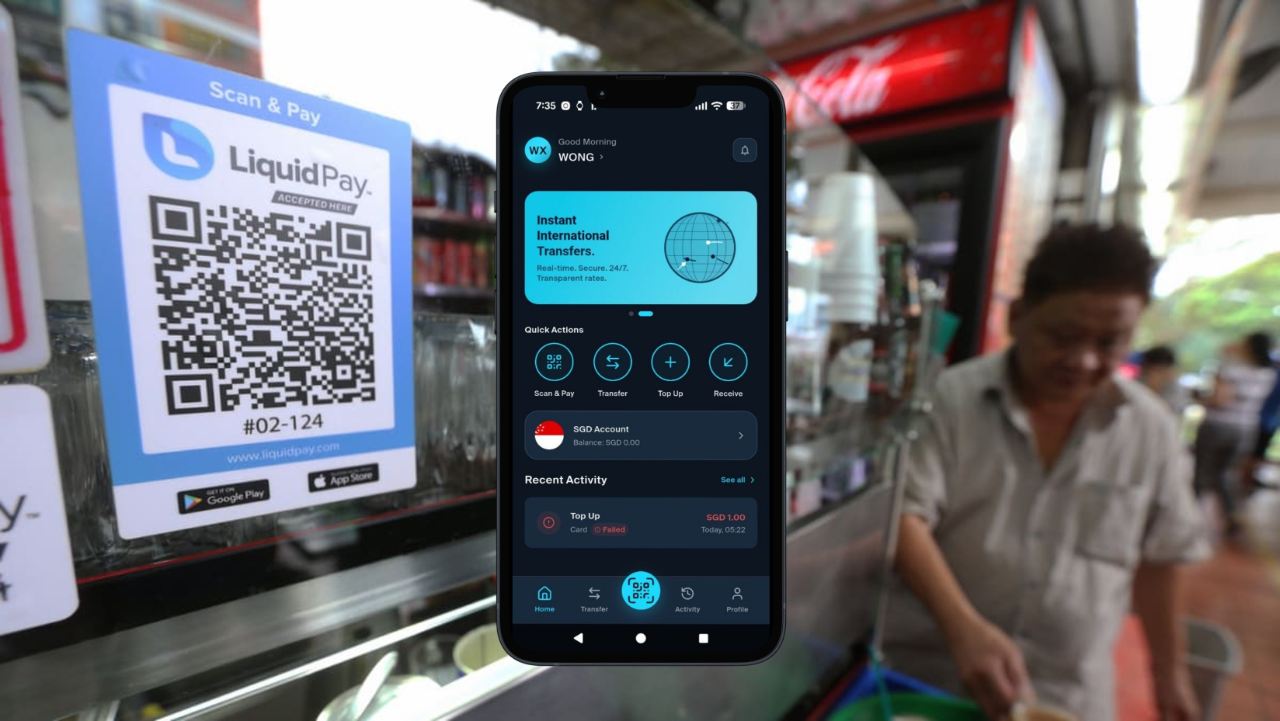
Revolutionizing the way consumers earn travel rewards, a new payment platform called LiquidPay 2.0 has emerged, enabling users to accumulate credit card miles at merchants that exclusively use QR code-based transactions. The system, developed by The MileLion, represents a significant shift in how digital commerce and loyalty programs intersect, particularly as businesses adopt contactless payment methods.
What Is LiquidPay 2.0 and How Does It Work?
Launched in late 2023, LiquidPay 2.0 is a digital payment solution designed to integrate seamlessly with credit card reward programs. Unlike traditional payment systems that require physical cards or mobile wallet apps, the platform operates through QR code scanning at participating merchants. When a user pays using a QR code, the transaction is automatically linked to their credit card account, triggering mileage accrual based on the purchase amount.
According to a company spokesperson, the system leverages blockchain technology to verify transactions and ensure that rewards are credited in real time. “This eliminates the need for manual reporting or separate loyalty program sign-ups,” the representative said. “Merchants benefit from reduced transaction fees, while consumers gain a streamlined way to earn rewards.”
Who Is Behind The MileLion and Their Vision?
The MileLion, a fintech startup based in Singapore, has positioned itself as a pioneer in the intersection of digital payments and travel rewards. Founded in 2021, the company initially focused on developing a mobile app that aggregated loyalty points from multiple credit card issuers. However, the success of QR code-based commerce during the pandemic prompted the team to pivot toward creating a direct integration between digital payments and mileage programs.
“We noticed a gap in the market,” said a co-founder of The MileLion, who requested anonymity. “Many small businesses were adopting QR code payments, but there was no system to connect those transactions to existing credit card rewards. LiquidPay 2.0 fills that void.”
Where and When Did This Develop?
LiquidPay 2.0 was first tested in select Southeast Asian markets, including Thailand and the Philippines, where QR code payments dominate due to high smartphone penetration and limited credit card infrastructure. By mid-2024, the platform had expanded to over 10,000 merchants across 15 countries, according to internal data. The system is now available in major cities in Europe, North America, and the Middle East, with plans for global rollout by 2025.
The platform’s growth coincided with a broader industry trend. A 2024 report by the International Air Transport Association (IATA) found that 68% of travelers prioritize credit card rewards when making purchases, but only 22% regularly use those rewards at small or local businesses. LiquidPay 2.0 aims to address this disparity by making mileage-earning more accessible.
Why This Matters: The Implications for Consumers and Merchants
For consumers, LiquidPay 2.0 offers a new way to maximize rewards without complicating their spending habits. Instead of manually tracking purchases or signing up for separate loyalty programs, users can earn miles automatically through everyday transactions. This is particularly beneficial for frequent travelers who rely on credit card points for flights, hotel stays, and car rentals.

Merchants, on the other hand, gain a competitive edge by attracting customers who prioritize rewards. A survey conducted by The MileLion in early 2024 found that 73% of users were more likely to return to a business that offered mileage-earning opportunities. “It’s a win-win,” said a small business owner in Jakarta who partnered with the platform. “I’ve seen a 30% increase in foot traffic since implementing LiquidPay 2.0.”
Challenges and Criticisms
Despite its promise, LiquidPay 2.0 has faced skepticism from some industry experts. Critics argue that the system’s reliance on QR code-only merchants could limit its reach, as not all businesses are equipped to handle this technology. Additionally, concerns have been raised about data privacy and the security of blockchain-based transactions.
“While the concept is innovative, there are still questions about scalability,” said Dr. Aisha Patel, an economist at the University of Sydney. “If the platform becomes too dependent on a specific type of merchant, it may struggle to maintain long-term growth.”
How Does LiquidPay 2.0 Compare to Other Loyalty Programs?
Compared to traditional credit card rewards, LiquidPay 2.0 offers a more integrated approach. Most credit card loyalty programs require users to make purchases through specific retailers or online platforms, whereas LiquidPay 2.0 allows for broader flexibility. For example, a user with a Chase Sapphire credit card could earn miles at a local café that uses QR code payments, whereas traditional programs might not offer such options.

However, the platform’s reliance on QR codes also sets it apart from competitors like PayPal or Apple Pay, which focus on mobile wallet integration. A 2024 report by Statista noted that while 45% of consumers use mobile wallets for payments, only 18% regularly engage with QR code-based transactions. This suggests that LiquidPay 2.0 may need to invest in user education to drive adoption.
What Are the Next Steps for The MileLion?
The MileLion has announced plans to introduce a “Rewards Marketplace” in 2025, where users can exchange accumulated miles for goods and services beyond traditional travel. The company is also exploring partnerships with major credit card issuers, including American Express and Visa, to expand its reach.
According to a recent press release, the platform is working on a feature that would allow users to track their mileage earnings in real time
