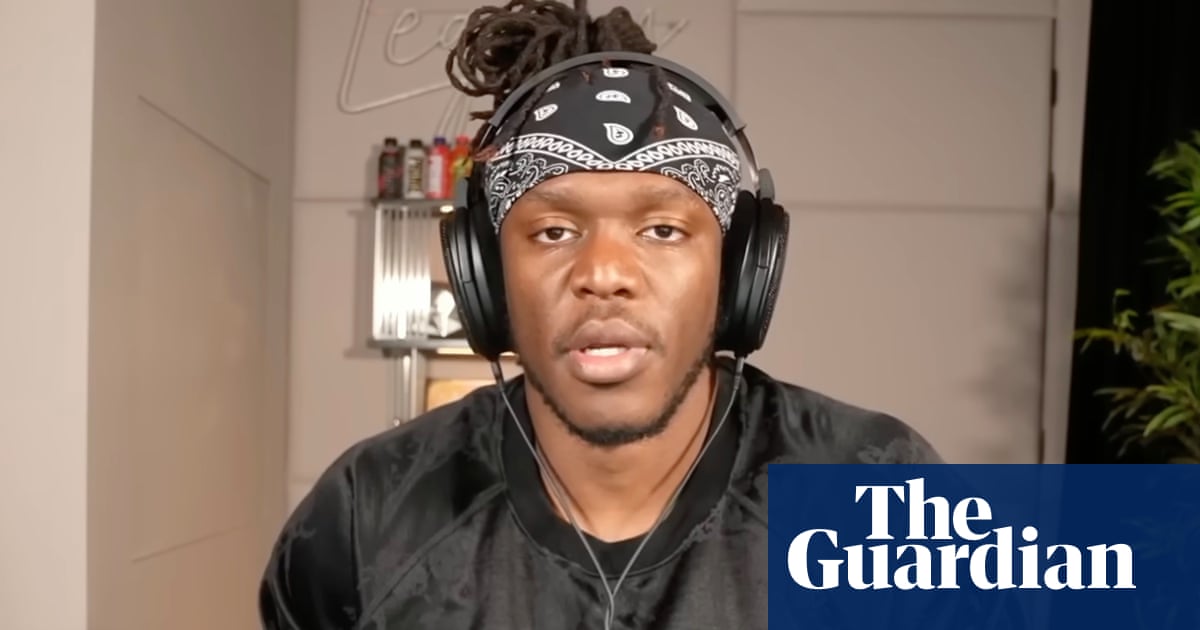
KSI Leaves Sidemen: Why the YouTube Collective’s Most High-Profile Member Is Walking Away
The internet’s most influential gaming and entertainment collective has just lost one of its biggest stars. In a move that has sent shockwaves through the online creator economy, KSI—real name Olajide “JJ” Olatunji—has announced his departure from Sidemen, the multi-platform group he helped build into a global phenomenon. The announcement, made just hours after his appearance as a judge on Britain’s Got Talent, marks the end of an era for the collective and raises questions about the future of digital media collaborations in an industry increasingly defined by individualism and brand control.
KSI’s exit isn’t just a personal career pivot; it’s a seismic shift for Sidemen, which has redefined how creators monetize their audiences across YouTube, podcasts, and live events. With over 50 million combined subscribers across platforms, the group has been a blueprint for how digital collectives can scale beyond individual channels. But behind the scenes, tensions over creative direction, financial disputes, and the pressures of maintaining a unified brand have reportedly reached a breaking point. This story explores how we got here, what the split means for both KSI and Sidemen, and why this moment could reshape the future of creator collaborations.
—
The Announcement: A Video That Stood Out From the Noise
KSI’s departure wasn’t just another social media post. It was a carefully crafted video—one he described as the “hardest” he’s ever made. Released on his personal YouTube channel, the message was raw, emotional, and unfiltered, a stark contrast to the polished, high-energy content the collective is known for. In it, he acknowledged the pain of leaving something he’d poured his career into, while also signaling a new chapter focused on his solo ventures, including his upcoming boxing career and other business pursuits.
Key details from the announcement:
- Timing: The video dropped just hours after KSI’s final appearance as a judge on Britain’s Got Talent, adding to the sense of finality. Fans and colleagues noted the irony of his departure coinciding with a major live TV moment.
- Tone: Unlike typical creator breakup statements, KSI’s message was introspective, almost therapeutic. He framed the split as a necessary but difficult decision, hinting at underlying challenges within the group.
- No official statement from Sidemen: As of now, the collective has not released a public response, leaving fans and industry observers to speculate about the reasons behind the split.
The video’s release timing—amidst the chaos of a live TV final—was telling. KSI, who has built his brand on authenticity, chose a moment when the world wasn’t watching him closely, yet the message still dominated headlines. It was a calculated move, ensuring maximum reach without the pressure of immediate backlash.
—
Who Is KSI, and What Did Sidemen Mean to Him?
To understand the significance of this split, it’s essential to grasp KSI’s journey and the role Sidemen played in his rise. Born in London to Nigerian parents, Olajide Olatunji transitioned from a struggling student to one of the UK’s most influential online personalities. His breakthrough came in 2013 with a YouTube video where he reacted to a Call of Duty video game trailer—a format that would later define his career.
But KSI’s ambition extended beyond gaming. In 2015, he co-founded Sidemen with a small group of friends, including W2S (now known as W2S and Trott) and Vexed. The collective was designed to be more than just a group of YouTubers; it was a multimedia empire. Together, they launched a podcast (The Sidemen Podcast), a live tour series, and even a short-lived TV show. At its peak, Sidemen was a cultural force, blending gaming, comedy, and streetwear into a brand that resonated with millions.
KSI’s role in Sidemen:
- The face of the group: KSI was the public face, the most recognizable member, and the primary driver of the collective’s expansion into boxing, fashion, and live events.
- Creative visionary: He pushed the group toward higher-production content, including documentaries and reality TV, which not all members were comfortable with.
- Financial stakeholder: Reports suggest KSI held significant equity in the collective’s ventures, making his departure a major financial and operational shift.
For years, KSI balanced his solo career with his commitments to Sidemen. But as his boxing career took off—culminating in a high-profile fight against Logan Paul—and his business interests grew, the demands on his time became unsustainable. The collective’s structure, built on camaraderie and shared creativity, was struggling to adapt to the realities of scaling a brand to KSI’s level of ambition.
—
A Timeline: How Did We Get Here?
The breakdown of Sidemen didn’t happen overnight. Over the past few years, rumors of internal strife have circulated, but KSI’s departure feels like the culmination of long-simmering tensions. Here’s how the story unfolded:
| Year | Event | Significance |
|---|---|---|
| 2015 | Sidemen officially launches as a collective, with KSI as the lead. | The group’s early success was built on gaming content, but KSI quickly pushed for diversification. |
| 2017 | KSI begins exploring boxing seriously, training with high-profile coaches. | His shift toward combat sports created a conflict of interest with Sidemen, which was still focused on digital content. |
| 2019 | Sidemen launches a live tour series, but internal disagreements over creative control emerge. | Reports suggest some members felt KSI was dominating decision-making, stifling their individual growth. |
| 2021 | KSI signs a major boxing deal and announces his first professional fight. | His boxing career became a competing priority, reducing his availability for Sidemen projects. |
| 2023 | Rumors surface of financial disputes and creative differences within the collective. | Industry insiders hinted at tensions over revenue sharing and brand direction. |
| 2024 | KSI’s final Britain’s Got Talent appearance as a judge, followed by his departure announcement. | The timing suggests a deliberate move to distance himself from Sidemen while still capitalizing on his TV exposure. |
While the exact reasons for the split remain unconfirmed, industry observers point to several key factors:
- Creative differences: KSI’s vision for Sidemen evolved toward higher-budget, mainstream content (like his TV appearances), while some members preferred a more grassroots, community-driven approach.
- Financial restructuring: As the collective grew, questions arose about profit distribution and who held decision-making power.
- Personal ambitions: KSI’s boxing career and other business ventures demanded more of his time, making it difficult to maintain his Sidemen commitments.
- Brand dilution: Some former colleagues have suggested that KSI’s solo projects (like his fashion line or boxing promotions) were overshadowing the collective’s identity.
—
What Does This Mean for Sidemen?
With KSI gone, Sidemen faces an existential question: Can it survive without its most prominent member? The collective’s future hinges on several factors:
1. The Collective’s Financial and Operational Structure
Sidemen was never just a group of friends making videos—it was a business. The collective’s revenue streams included:
- YouTube ad revenue (split among members based on individual channel performance).
- Merchandise sales (a major profit center, with KSI’s designs often driving the most sales).
- Live events and tours (which required significant coordination and KSI’s personal involvement).
- Brand deals and sponsorships (often negotiated at the collective level).
KSI’s departure could disrupt these revenue streams. For example:
- Merchandise: If KSI’s designs were a key part of the brand, his exit may lead to a rebranding effort or a loss of a major revenue source.
- Live events: KSI was the draw for many tours. Without him, the group may struggle to attract the same crowds.
- Brand partnerships: Sponsors may hesitate to commit to a collective without its most marketable member.
Industry analysts suggest that Sidemen could pivot in one of three ways:
- Rebrand as a smaller, tighter group: Focus on the remaining members’ individual strengths, positioning Sidemen as a legacy brand rather than a collective.
- Bring in new talent: Replace KSI’s role with another high-profile creator, though this would dilute the original group’s identity.
- Disband and go solo: Some members may choose to leave entirely, leading to a full dissolution of the collective.
2. The Impact on Remaining Members
The other Sidemen members—including W2S, Trott, Vexed, and Big Tom—now face a crossroads. Their options include:
- Staying independent: Some may choose to continue under their own names, leveraging their existing fanbases.
- Forming a new collective: If they believe in the original vision, they might rebrand without KSI.
- Joining other groups: Some could explore partnerships with rival collectives like Disguised Toast or Knuckleheads.
Publicly, the remaining members have remained silent, but leaks suggest some were relieved by KSI’s departure, while others may feel betrayed by the lack of transparency.
3. The Broader Implications for Creator Collectives
KSI’s exit from Sidemen isn’t just a personal story—it’s a microcosm of challenges facing the entire creator economy. Collectives like Sidemen, Disguised Toast, and Knuckleheads emerged as a way for creators to pool resources, share audiences, and achieve scale. But as these groups grow, they often face:
- Scalability issues: What works for a small group of friends doesn’t always translate to a large, professional organization.
- Creative conflicts: Individual ambitions can clash with the collective’s goals.
- Financial complexities: Profit-sharing, equity, and decision-making become contentious as revenue grows.
- The solo creator advantage: In an era where algorithms favor individual personalities, collectives must constantly prove their relevance.
KSI’s departure could accelerate a trend: the breakup of major creator collectives as members prioritize personal brands over shared ventures. It may also push remaining groups to adopt more formal business structures, like LLCs or partnerships, to avoid similar disputes.
—
Reactions: What Are Fans and Industry Experts Saying?
The news of KSI’s exit has sparked a mix of reactions across social media, fan forums, and industry circles. Here’s a snapshot of the conversation:
From Fans: Nostalgia, Betrayal, and Acceptance
KSI’s fanbase—often referred to as the “KSI Army”—has reacted with a range of emotions:
- Nostalgia: Many fans have revisited early Sidemen videos, reminiscing about the group’s humble beginnings. Comments like *”Remember when it was just gaming and no drama?”* dominate social media.
- Betrayal: Some accuse KSI of abandoning his friends, pointing out that he never publicly addressed the reasons for the split. Others feel he could have handled the departure with more grace.
- Acceptance: A portion of the fanbase understands that KSI’s priorities have shifted, especially with his boxing career. They see this as an inevitable step in his evolution.
- Speculation: Conspiracy theories abound, with some suggesting KSI was forced out, while others believe he left to protect his boxing image.
One Reddit thread, titled *”KSI leaving Sidemen: A necessary evil or a betrayal?”*, saw over 10,000 upvotes, with users debating whether the split was a business move or a personal failure.
From Industry Experts: A Cautionary Tale
Digital media analysts and former creators have weighed in on what KSI’s departure means for the industry:
“This is the natural lifecycle of a creator collective. At first, it’s all about friendship and shared passion, but as egos and ambitions grow, the cracks start to show. KSI’s exit is a reminder that even the most successful groups aren’t immune to these challenges.”
—Digital media consultant (requested anonymity)
Others point to financial mismanagement as a key factor:
“From what I’ve heard, the real issue wasn’t creative differences—it was money. KSI wanted to take the collective in a different direction, but the others weren’t on board. Without clear contracts, these disputes become explosive.”
—Former YouTube collective member (speaking off-record)
Legal experts also note that many creator collectives lack formal agreements, which can lead to messy breakups:
“If Sidemen had ironclad contracts, this split might have been handled more smoothly. As it stands, they’re now dealing with IP disputes, revenue sharing, and brand rights—all without a clear legal framework.”
—Entertainment lawyer specializing in digital media
—
What’s Next for KSI?
With Sidemen behind him, KSI is now free to focus on his solo projects. His immediate priorities include:
- Boxing: KSI has already hinted at future fights, including potential title shots. His departure from Sidemen removes a major distraction from his training and promotional work.
- Business ventures: He has investments in fashion, tech, and media, which will likely take precedence. His boxing sponsorships (like the deal with Topps) could also expand.
- YouTube and content: While he may reduce his gaming content, KSI could shift toward boxing documentaries, vlogs, or even scripted projects. His personal channel remains a cash cow, with over 25 million subscribers.
- Philanthropy: KSI has been involved in charity work, particularly in Nigeria. Expect more high-profile donations or initiatives as he rebrands himself beyond gaming.
One thing is clear: KSI is positioning himself as a multifaceted entertainer, not just a YouTuber. His boxing career, in particular, has given him a new identity—one that transcends the digital space. The challenge now is balancing these ventures without losing the fanbase that made him a global star.
—
Common Questions About KSI’s Departure from Sidemen
Here are some of the most pressing questions fans and industry observers have about the split:
1. Why did KSI leave Sidemen?
KSI has not provided a detailed explanation, but industry sources point to a combination of creative differences, financial disputes, and the demands of his boxing career. The collective’s structure may have also struggled to accommodate his growing solo ambitions.
2. Will Sidemen continue without KSI?
It’s unclear. The remaining members could rebrand, bring in new talent, or disband entirely. KSI’s departure leaves a significant void, but the group has survived without him before—during his boxing training periods.
3. Could KSI and Sidemen reconcile in the future?
Possible, but unlikely in the short term. Reconciliations in creator collectives often require legal settlements and clear communication. Given the public nature of the split, any future collaboration would need to be carefully managed.
4. How will this affect KSI’s boxing career?
Positively. Boxing requires intense focus, and KSI’s departure from Sidemen removes a major time commitment. He can now dedicate more energy to training, promotions, and fight preparations.
5. What happens to Sidemen’s merchandise and brand deals?
This is a legal gray area. If KSI co-owned the Sidemen brand, his exit may trigger a rebrand or restructuring. Fans should expect updates from the collective on how merchandise and sponsorships will be handled moving forward.
6. Will other creator collectives face similar breakups?
Likely. Many digital collectives operate without formal contracts, making disputes common as groups scale. KSI’s exit serves as a cautionary tale about the need for clear agreements in creator collaborations.
—
KSI’s departure from Sidemen is more than just a personal career move—it’s a turning point for the digital creator economy. As collectives grow, the tension between individual ambition and shared success will only intensify. For now, the focus remains on what comes next: Will Sidemen reinvent itself? Can KSI maintain his dominance across gaming, boxing, and business? And what does this split mean for the future of online creator communities?
The answers will unfold in the coming months, but one thing is certain: The landscape of digital entertainment has shifted forever.
