Kelly Akashi to Lead Hyundai Terrace Commission for Whitney Biennial 2026
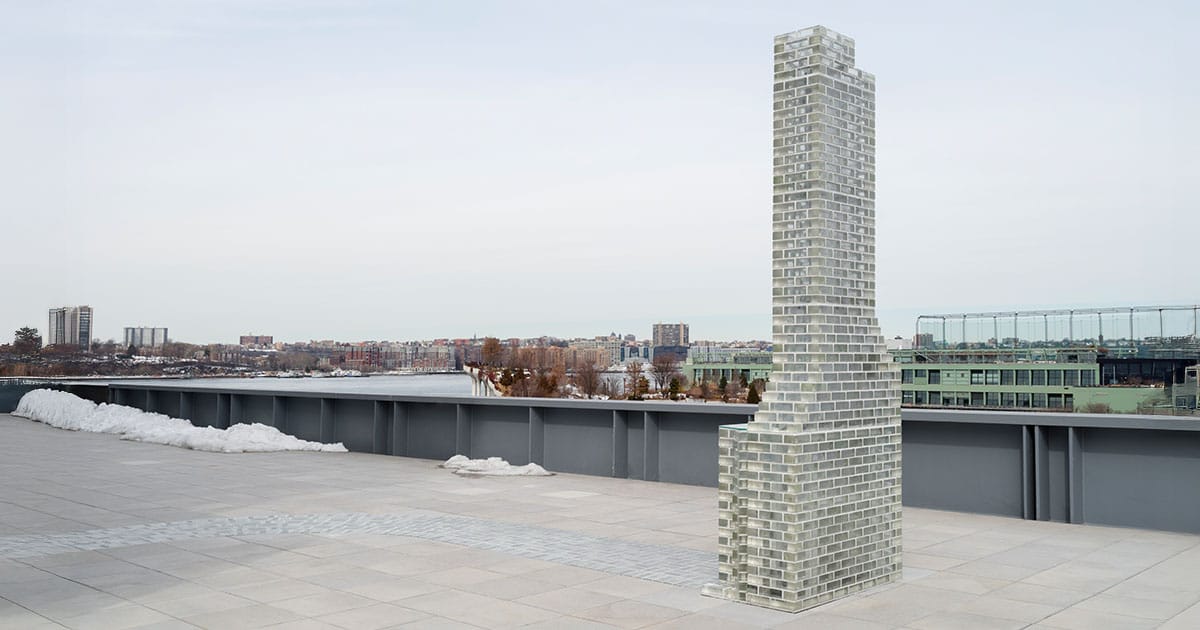
The Whitney Museum of American Art has announced that artist Kelly Akashi will create a site-specific installation for the Hyundai Terrace as part of the Whitney Biennial 2026. This commission positions Akashi as a central figure in the museum’s landmark exhibition, utilizing the outdoor terrace to merge sculptural experimentation with the New York City skyline, according to museum officials.
What is the Whitney Biennial 2026 and Hyundai Terrace Commission?
The Whitney Biennial is a recurring survey of contemporary American art, widely regarded as one of the most influential exhibitions in the United States. For the 2026 iteration, the Whitney Museum of American Art has partnered with Hyundai to commission a dedicated work of art for the Hyundai Terrace. This specific commission, awarded to Kelly Akashi, involves the creation of a large-scale installation designed specifically for the museum’s outdoor architectural space.
According to the Whitney Museum, the Hyundai Terrace serves as a transitional zone between the museum’s interior galleries and the urban environment of the Meatpacking District. The commission requires the artist to engage with the physical constraints of the terrace—including wind, light, and public traffic—while contributing to the broader thematic goals of the 2026 Biennial. The partnership between the museum and Hyundai aims to provide a high-visibility platform for artists to experiment with scale and materiality outside the traditional “white cube” gallery setting.
Key details of the announcement include:
- Lead Artist: Kelly Akashi
- Location: Hyundai Terrace, Whitney Museum of American Art, New York
- Event: Whitney Biennial 2026
- Sponsor: Hyundai
- Project Type: Site-specific outdoor installation
Who is Kelly Akashi and What Defines Her Work?
Kelly Akashi is a contemporary artist known for a sculptural practice that blends industrial materials with organic, often uncanny forms. Her work frequently explores the tension between the synthetic and the natural, utilizing a diverse palette of materials including wax, metal, plastics, and found objects. According to exhibition records from previous gallery showings, Akashi often focuses on the “life” of materials, allowing them to slump, melt, or warp to create shapes that feel simultaneously alien and familiar.
Art critics have noted Akashi’s ability to evoke a sense of biological growth within rigid structures. Her approach often involves “material alchemy,” where she transforms mundane substances into complex, evocative sculptures. This focus on materiality makes her a strategic choice for the Hyundai Terrace commission, as the outdoor environment offers a dynamic backdrop where natural elements—such as changing sunlight and precipitation—can interact with her chosen media.
Materiality and Form in Akashi’s Practice
Akashi’s previous works have often challenged the permanence of sculpture. By using materials that react to their environment, she introduces an element of unpredictability. In the context of the Whitney Biennial 2026, this suggests the Hyundai Terrace installation may not be a static object, but rather a piece that evolves or shifts in appearance based on the viewer’s perspective and the time of day.
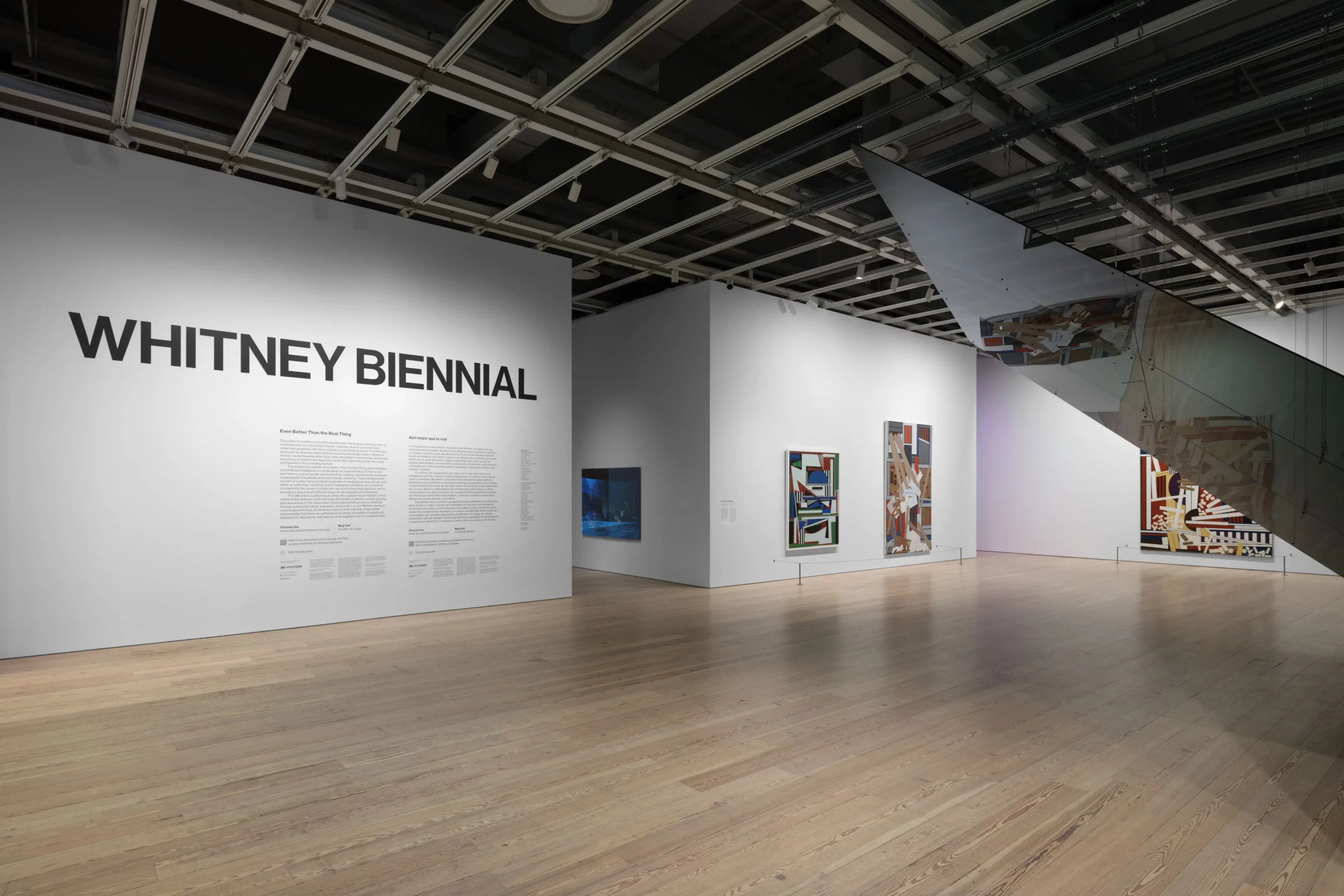
The artist’s work typically avoids direct narrative, instead relying on the visceral impact of form and texture. This abstraction allows the viewer to project their own meanings onto the work, a quality that museum curators suggest will complement the open, public nature of the terrace space.
The Significance of the Hyundai Terrace as a Site
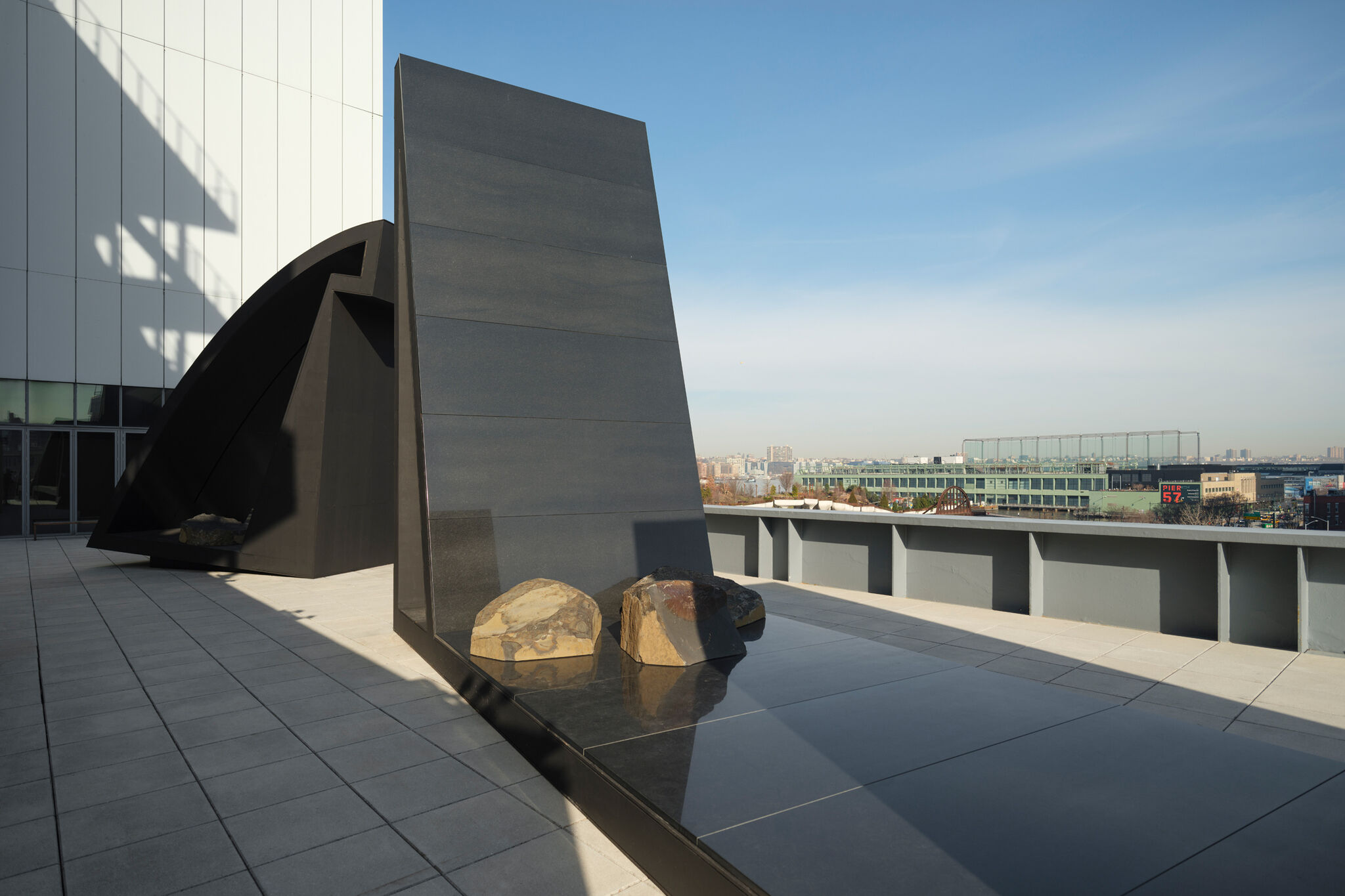
The Hyundai Terrace is not merely a viewing platform; it is a critical architectural component of the Whitney Museum’s Renzo Piano-designed building. The space offers a panoramic view of the Hudson River and the Manhattan skyline, creating a dialogue between the art on display and the city’s sprawling urban grid.
Commissioning a work for this specific site presents unique challenges and opportunities. Unlike a climate-controlled gallery, the terrace exposes art to the elements. According to architectural standards for outdoor museum installations, artists must consider:
- Structural Integrity: The work must withstand high wind loads common at the museum’s elevation.
- Material Durability: Surfaces must be treated to resist UV degradation and moisture.
- Public Safety: The installation must allow for the safe flow of museum visitors.
- Visual Scale: The piece must be large enough to hold its own against the massive scale of the surrounding skyscrapers.
By placing Kelly Akashi’s work in this environment, the Whitney Museum is shifting the viewer’s experience. The art is no longer contained by walls but is instead framed by the atmosphere of New York City, making the city itself a part of the composition.
The Role of Corporate Sponsorship in Contemporary Art
The collaboration between the Whitney Museum and Hyundai highlights the increasing reliance on corporate partnerships to fund ambitious, site-specific commissions. Hyundai’s role in the “Hyundai Terrace Commission” extends beyond financial support; it integrates the brand into the museum’s public identity and the broader cultural conversation surrounding the Biennial.
Corporate sponsorship in the arts often follows a specific model where the brand aligns itself with innovation and prestige. For Hyundai, sponsoring a commission for the Whitney Biennial 2026 connects the brand with the vanguard of American art. For the museum, these partnerships allow for the realization of projects that might be cost-prohibitive under a standard operating budget, particularly those involving complex engineering and outdoor installations.
| Stakeholder | Primary Interest/Contribution | Expected Outcome |
|---|---|---|
| Whitney Museum | Curation and Venue | Cultural prestige and public engagement |
| Kelly Akashi | Artistic Vision and Execution | High-profile platform for site-specific work |
| Hyundai | Financial Sponsorship | Brand association with innovation and art |
| The Public | Viewing and Interaction | Access to cutting-edge contemporary art |
Historical Context: The Whitney Biennial’s Evolution
To understand the impact of the 2026 commission, one must look at the history of the Whitney Biennial. Since its inception, the Biennial has served as a barometer for the state of American art. It has historically been a site of both celebration and controversy, often reflecting the political and social tensions of the era.
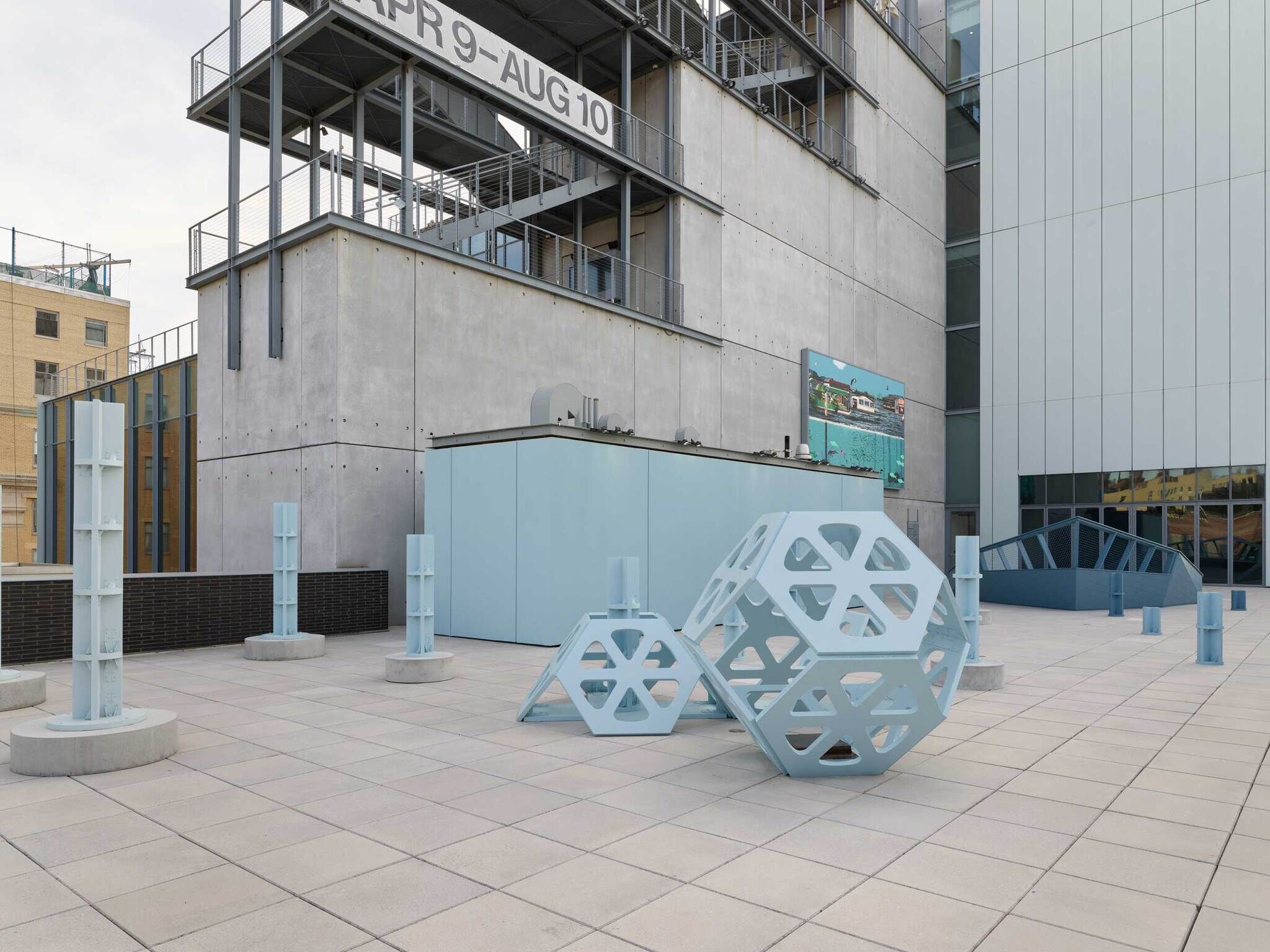
In recent years, the Biennial has moved toward a more inclusive and expansive definition of “American art,” incorporating a wider array of voices and mediums. The decision to highlight a site-specific commission on the Hyundai Terrace reflects a broader trend in the museum’s strategy: moving art out of the galleries and into shared spaces. This approach mirrors a global shift in contemporary art toward “experiential” and “environmental” installations that break the boundary between the observer and the object.
Past terrace commissions have varied from minimalist interventions to bold, colorful sculptures. By selecting Kelly Akashi, the museum is opting for an artist whose work is characterized by complexity and material ambiguity, suggesting that the 2026 Biennial may lean toward themes of transformation, biology, and the intersection of the man-made and the organic.
Expected Impact and Artistic Implications
The announcement of Kelly Akashi’s commission is expected to draw significant attention from the international art community. Because the Hyundai Terrace is one of the most photographed locations at the museum, the installation will likely achieve a level of digital visibility that surpasses works located deep within the galleries.
From an artistic standpoint, the commission tests the limits of Akashi’s practice. Moving from the controlled environment of a gallery to an outdoor terrace requires a shift in how materials are handled. If Akashi maintains her use of “unstable” or “reactive” materials, the work could become a living study in decay or adaptation, reflecting the volatility of the urban environment.
Industry analysts suggest that this commission will likely influence how other museums approach corporate-sponsored site-specific works. The integration of a brand name (Hyundai) into the title of the commission creates a permanent link between the corporate entity and the artistic output, a trend that continues to spark debate among purists regarding the autonomy of art in the age of sponsorship.
Potential Themes for the 2026 Installation
While the specific details of the work remain under wraps, Akashi’s body of work suggests several potential directions for the terrace installation:
- Urban Mimicry: Forms that echo the architectural lines of the Meatpacking District while subverting them with organic curves.
- Atmospheric Interaction: Use of reflective or translucent materials that change color based on the New York sky.
- Material Contrast: Placing heavy, industrial metals against soft, wax-like substances to mirror the contrast between the city’s concrete and its human inhabitants.
Common Misconceptions Regarding the Commission
There is often a misunderstanding that site-specific commissions are merely “decorations” for a space. However, in the case of the Whitney Biennial 2026 and Hyundai Terrace Commission, the work is intended to be an integral part of the exhibition’s conceptual framework. The installation is not an addition to the Biennial but a primary component of it.
Another common misconception is that corporate sponsorship dictates the artistic content. According to standard museum protocols, while sponsors provide the funding and the venue name, the artistic direction remains the prerogative of the artist and the curatorial team. Kelly Akashi maintains creative control over the form and meaning of her work, regardless of the Hyundai branding associated with the terrace.
Frequently Asked Questions
When can the public see Kelly Akashi’s installation?
The installation will be unveiled as part of the Whitney Biennial 2026. Specific opening dates for the Biennial are typically announced by the Whitney Museum of American Art closer to the exhibition launch.
Where exactly is the Hyundai Terrace located?
The Hyundai Terrace is an outdoor space located at the Whitney Museum of American Art in New York City, offering views of the Hudson River and the city skyline.
Is the Hyundai Terrace Commission separate from the rest of the Whitney Biennial?
No, it is a featured part of the Whitney Biennial 2026. While it is a specific commission sponsored by Hyundai, it is curated to align with the overall themes and goals of the Biennial exhibition.
What makes Kelly Akashi’s approach different from other sculptors?
Akashi is noted for her “material alchemy,” combining industrial and organic materials to create uncanny, biologically inspired forms that often challenge the traditional permanence of sculpture.
Does the commission cost the museum money?
The commission is sponsored by Hyundai, meaning the corporate partner provides the necessary funding for the creation and installation of the work, reducing the direct financial burden on the museum’s general operating budget.
For those following the development of the Whitney Biennial 2026, the Kelly Akashi commission represents one of the most anticipated highlights of the upcoming season. As the installation progresses from concept to completion, it will serve as a focal point for discussions on the intersection of corporate patronage, urban architecture, and the evolution of American sculpture. Visitors can expect a work that not only occupies the space of the Hyundai Terrace but actively engages with the environmental and social energy of New York City.
